The Story⚡
On The Move has premiered, and the people behind it are opening up about what it took to bring Sodiq’s story to the screen.
Tell Me More
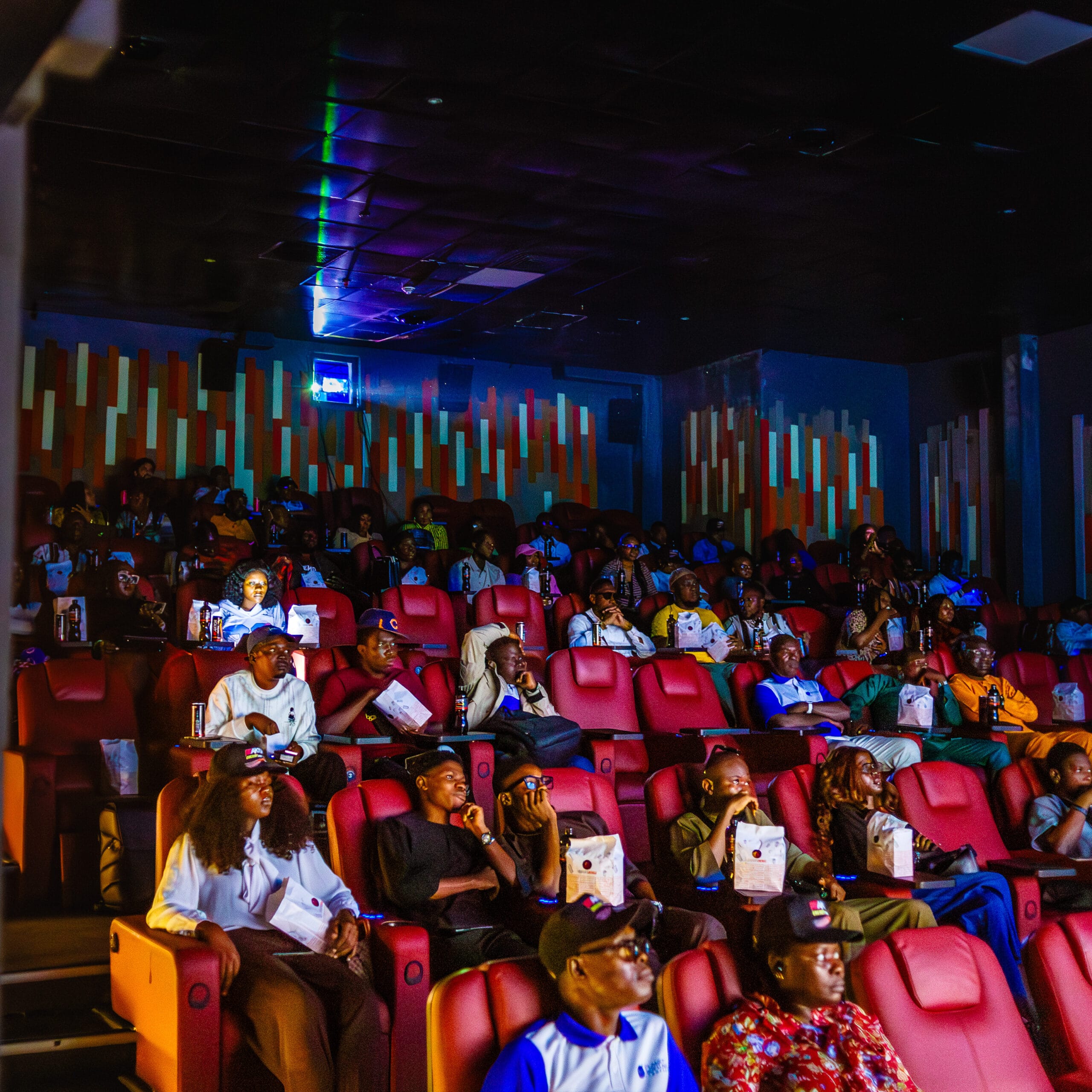
On The Move has officially premiered, bringing together a fictional short film and a companion documentary built around one central idea: the daily grind of Lagos hawkers and the resilience it takes to keep moving despite the odds. The project is a collaboration between Reaktor and EbonyLife, combining scripted storytelling with real-life accounts to paint a fuller picture of what survival looks like for people working in Lagos’s informal economy.
The fictional film follows Sodiq, a young Lagos street hawker who also serves as the sole caregiver for his younger sister, Zainab, who has asthma. Faced with the daily pressure of providing for his family, his coach pushes Sodiq to look beyond his immediate circumstances and recognize a talent in himself he had not fully considered. It’s a story about the tension between staying afloat and reaching for something more, one that plays out against the backdrop of Lagos’s streets, traffic, and relentless pace.
Alongside the fictional film, the documentary component, On the Move: Chasing Tomorrow, follows the real lives of three Lagos residents working as hawkers while supporting their families, examining the economic pressures, exploitation, and difficult living conditions that come with informal employment, as well as the determination that keeps them going.


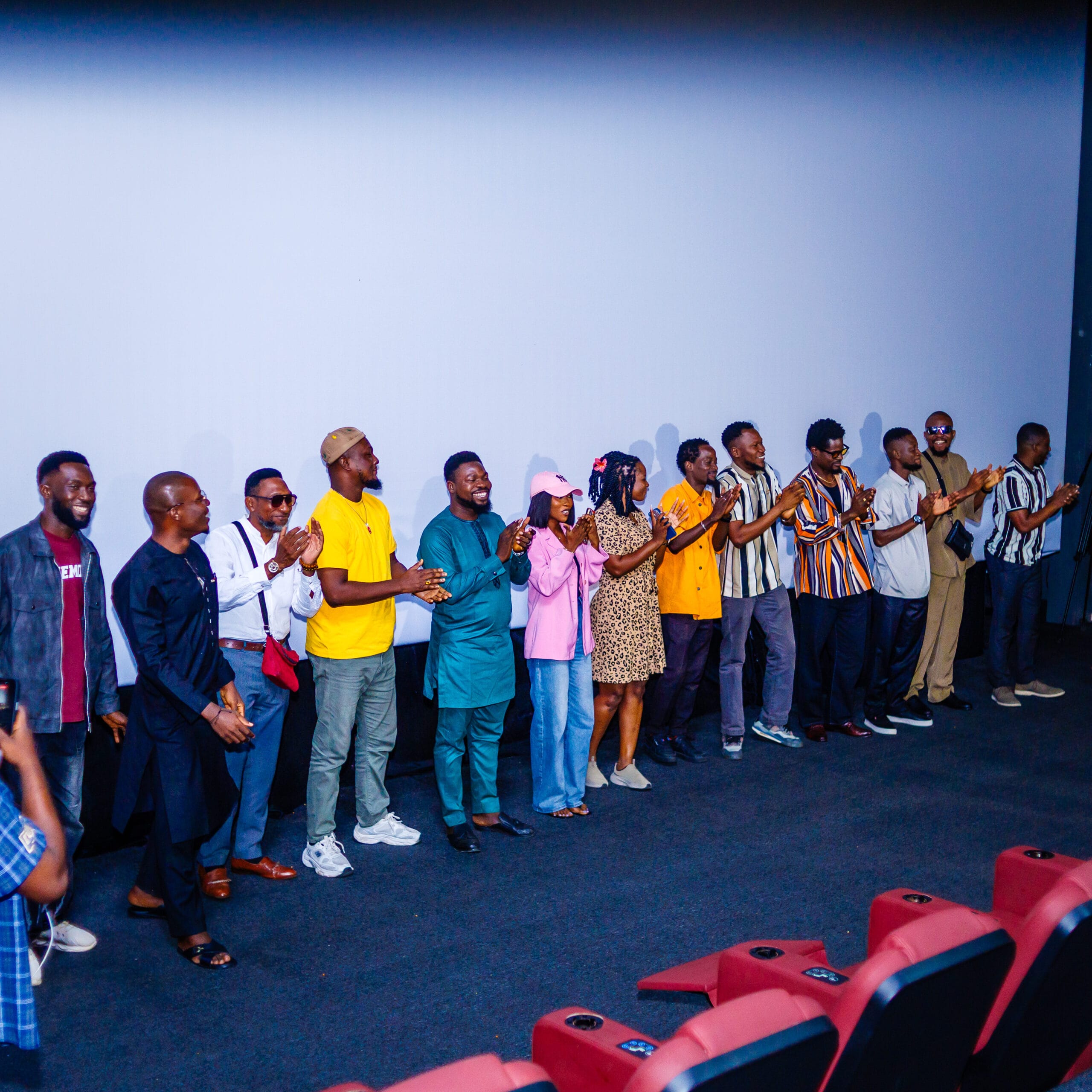
Cast, Director and Producer Reflect On Bringing “On The Move” To Life
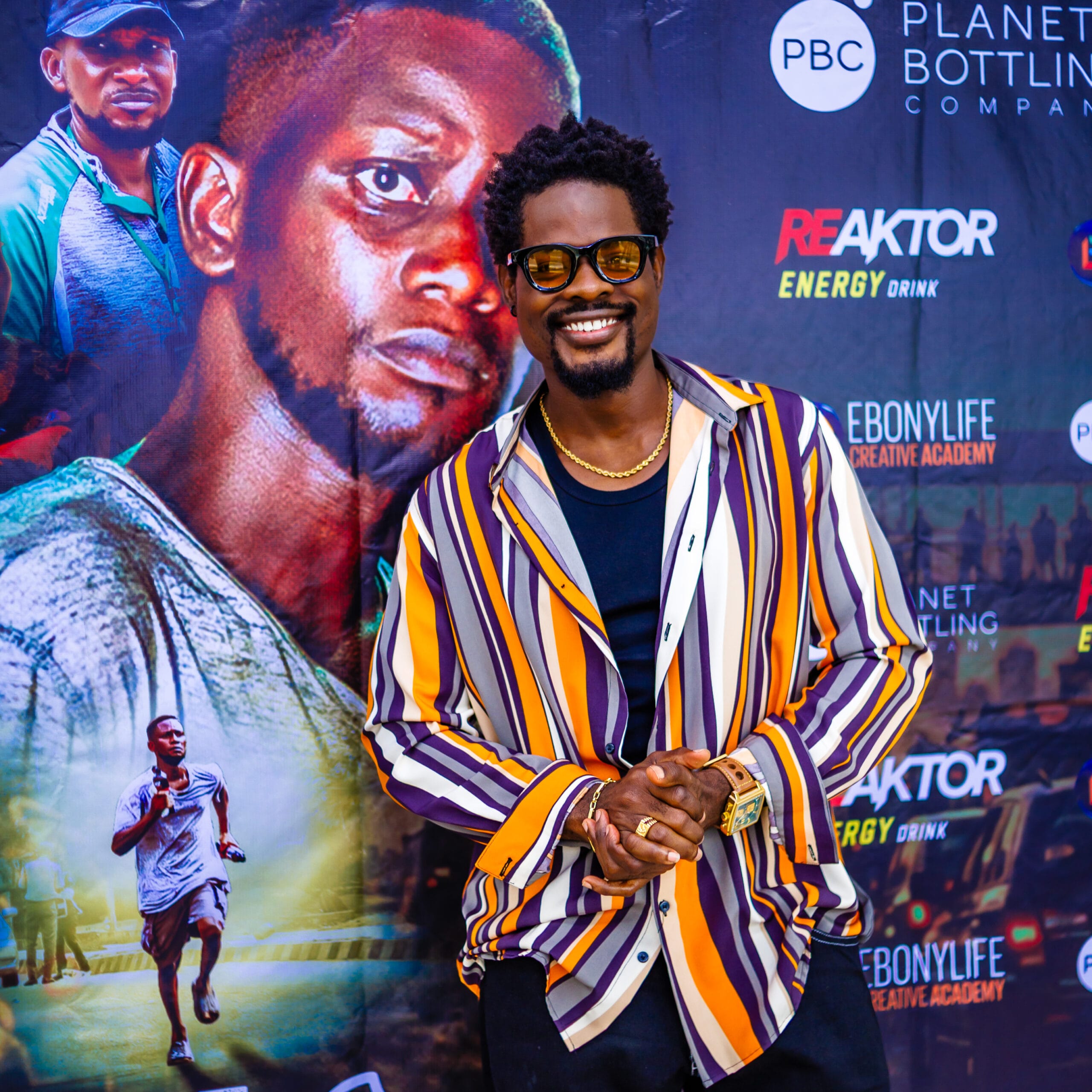
Speaking on his role, actor Ezekiel Abayomi, who plays Sodiq, described the experience as one that resonated with him personally. He explained that bringing the character to life was enjoyable because it reflected the kind of stories he is drawn to telling, stories about realities people witness daily but often overlook. According to Abayomi, once an actor connects with the script, the rest of the process, stressful or not, becomes easier to navigate. He credited close observation of people living that reality with helping him settle into the character, and singled out one memory in particular: walking through the streets of Lagos and moving between cars as part of filming. He described it as a moment that has stayed with him, one he genuinely enjoyed.
Uzoamaka Onuoha, who featured in the project, spoke to the strength of pairing the fictional story with its documentary counterpart. She pointed to the decision to show the real-life people behind the documentary at its end as one of its most affecting choices, given that the documentary is built entirely on real people and real events. For Onuoha, film’s power lies in its ability to let audiences experience lives they haven’t lived themselves, and she drew a direct line to Sodiq’s arc, the uncertainty of not knowing what to do with one’s life, and the eventual realization that moving forward, one step at a time, is sometimes the only way through.
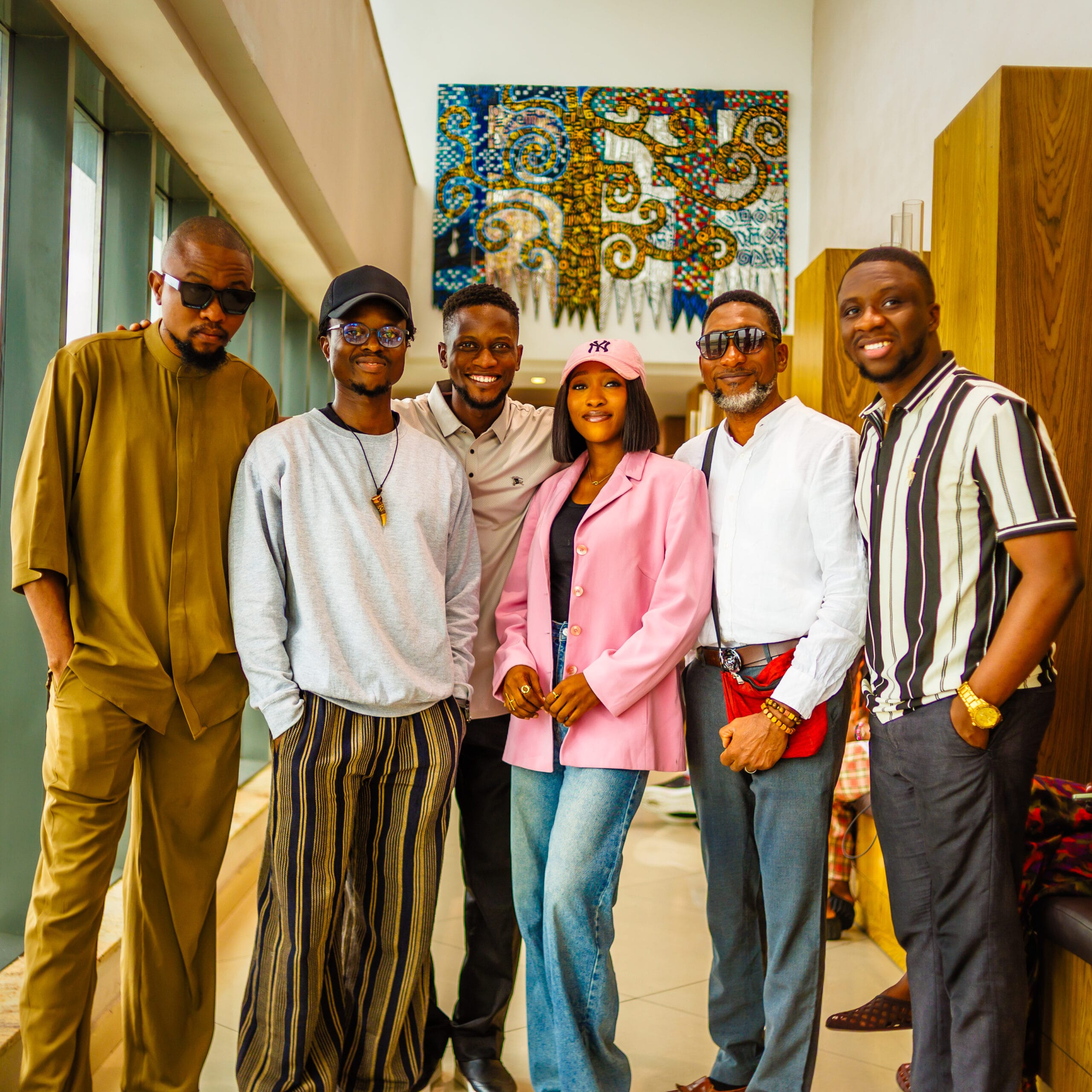
Director Gbenga Adeoti framed the project as a reflection of a reality many Lagosians and Nigerians live daily: the constant pressure to survive. He noted that in Lagos, nearly everyone is in motion, waking up, working through the day, returning home, and repeating the cycle. The film’s intention, he said, is to push back against the idea that this has to be the only way to live, encouraging people to move beyond the survival mindset that circumstance often forces on them. Adeoti tied the project’s success not to numbers or reception alone, but to whether audiences see themselves in Sodiq’s story and feel prompted to push past their own limits. His message to viewers was direct: keep moving regardless of the challenges in front of you, and treat the sky, not any fixed ceiling, as the true starting point.
Producer Adebisi Quadri Olaoluwa echoed that sentiment, framing the project’s core message as a call for people to want more for themselves. He pointed to Sodiq’s arc as a study in complacency, a character who had grown comfortable with the status quo he built as a hawker, before circumstances pushed him toward something bigger. For Olaoluwa, success beyond this project means continuing to tell stories like this one, representing Nigerian culture honestly, and keeping cinema itself in celebration.
Together, the fictional film and its documentary counterpart position On The Move as more than a single narrative; it’s a project designed to hold up a mirror to a very specific, very Nigerian experience, while making the case that the daily grind doesn’t have to be the final destination.
In Summary
Thanks for Reading.
Shockng.com covers the big creators and players in the African film/TV industry and how they do business.
Let’s be friends on Instagram @Shockng