The Story⚡
As Showmax originals transition to DStv platforms, one series stands out for its cultural impact: Wura. We spoke directly with the producer about the full run, what made the series connect so deeply, and its place in the evolving landscape of African premium storytelling.
Tell Me More
Wura has moved beyond its original run on Showmax into a new chapter on DStv and Africa Magic channels, with Season 4 already airing. The series’ migration brings its complete story and ongoing developments to a wider linear television audience.
In an exclusive conversation, the producer reflected on the project’s journey, audience response, and the role of the Showmax partnership.
Looking back at the full run, what moment made you think we actually did something special here?
When I began seeing how deeply audiences connected emotionally with the characters and the world of Wura. The series became a cultural conversation; people were debating characters online as though they were real people. We focused on universal human experiences with core themes of ambition, survival, love, power, sacrifice, family pressure, and moral conflict. Viewers would stop cast members in public spaces to discuss storylines, and that level of investment told us we had created something that had moved beyond entertainment and entered people’s everyday lives. I think the show connected because it was emotionally honest.
Another special aspect was seeing African storytelling presented with confidence and scale. We were unapologetic about telling our story from our own perspective, with our own rhythm, texture, and cultural identity. Watching audiences embrace that across different demographics was incredibly fulfilling. Wura was meant to be watched just across Africa, but it traveled beyond and gained traction globally.
For someone discovering this show today, what’s the one thing you want them to take away?
The first thing is a sense of pride in African storytelling. We can create stories that are cinematic, emotionally rich, globally engaging, and culturally rooted at the same time. African stories do not need to imitate anyone to be powerful. Wura entertained, but it also invited audiences to think about morality, corruption, family structures, gender dynamics, power, and survival. The second takeaway is that we are all flawed as human beings, and it is okay to be flawed. Sometimes we make terrible choices while believing we are doing the right thing. This is the humanity of the story. If someone watches Wura years from now and still feels emotionally connected to the characters and themes, then I think we achieved something lasting.
A lot of shows come and go. What do you think made this one stick?
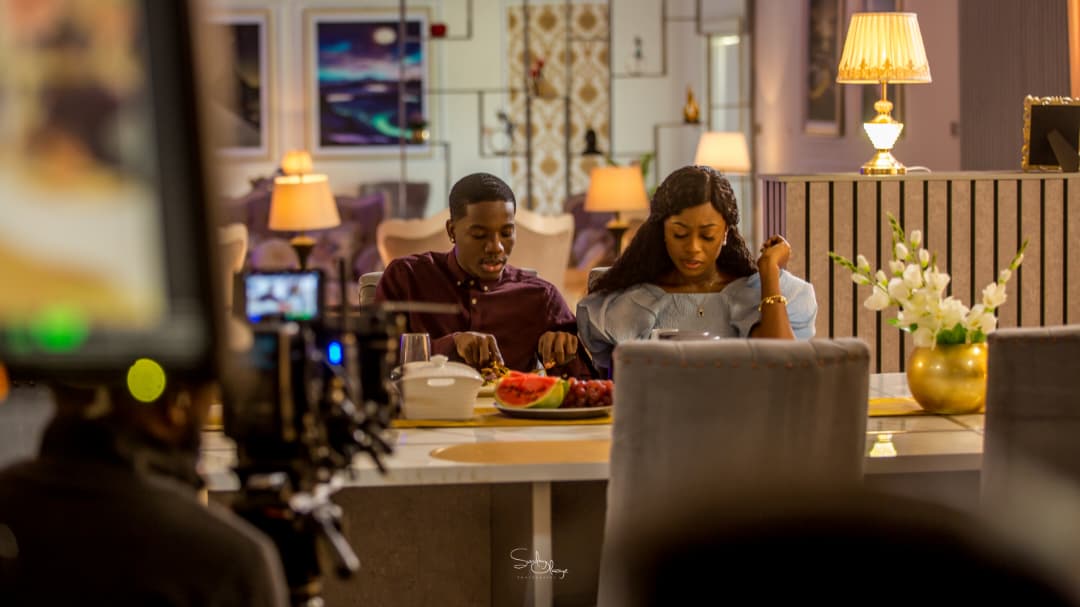
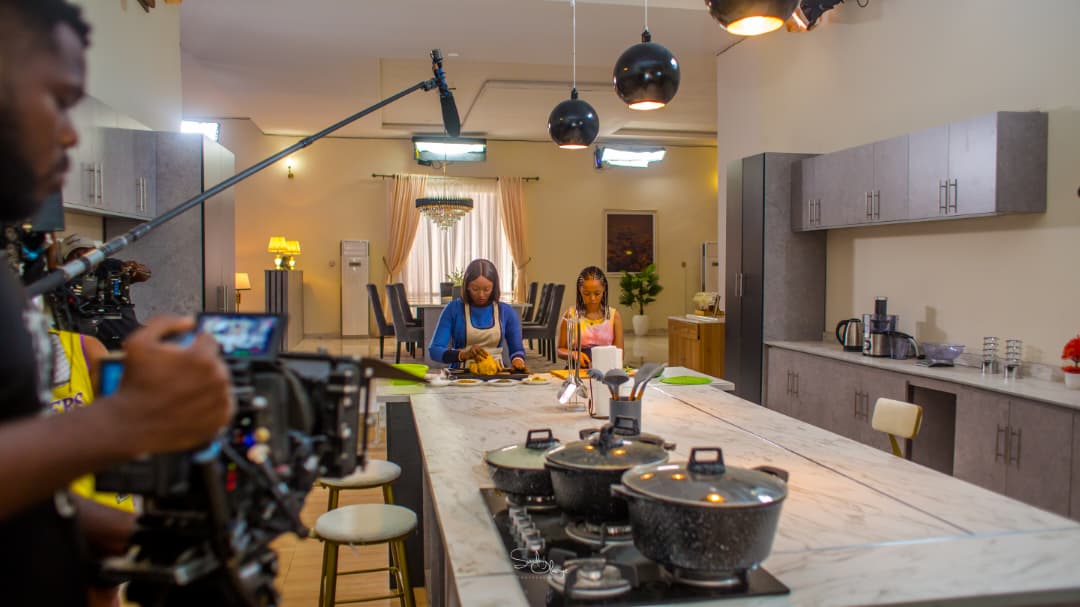
First, we were deliberate about creating memorable characters, characters that viewers would love, hate, defend, or question. That emotional investment is critical for longevity. Second, Wura combined emotional authenticity with strong storytelling. The writing respected the intelligence of the audience and did not oversimplify emotions or conflicts. The world was layered. Third, production quality mattered. We built brand new homes and sets for the series rather than using existing ones. We were intentional about performance, visual quality, pacing, design, music, and execution. Audiences today are exposed to global content every day, so African productions must meet high standards.
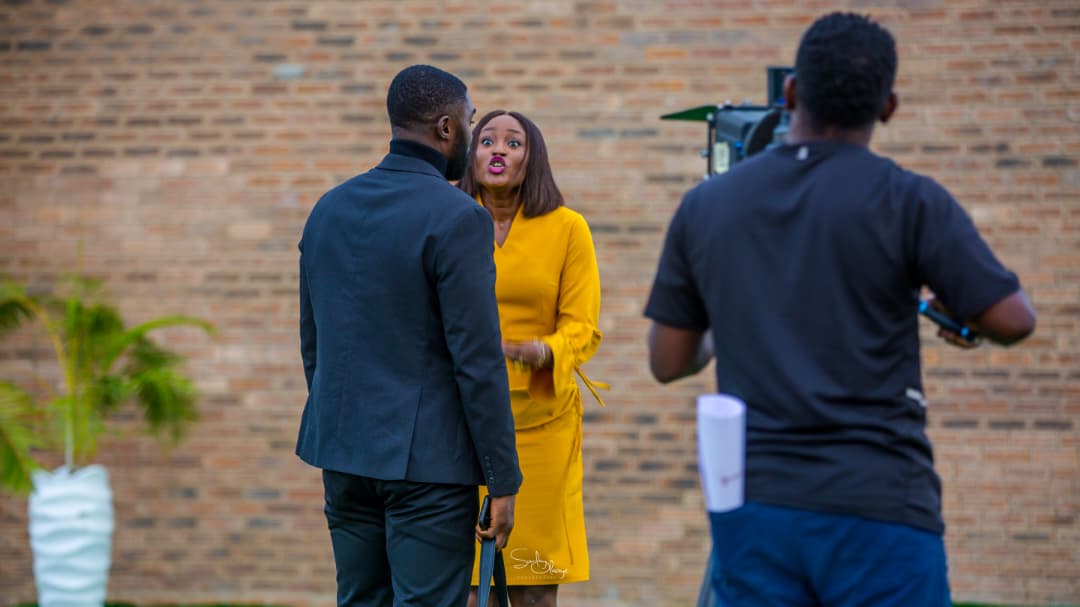
Beyond that, Wura felt emotionally and culturally familiar. People saw reflections of real societal dynamics, family expectations, social ambition, corruption, survival instincts, loyalty, betrayal, and the pressure to maintain appearances. Those themes transcend geography. The show arrived at a time when Showmax ventured into telling premium African stories that felt ambitious and unapologetically local while still universally relatable.
Is there more story left to tell, or does this feel like a complete chapter to you?
We have a compelling creative reason to return. While I am proud of what we achieved across the first three seasons, we have ventured into the fourth and fifth seasons. There are still more stories to tell. We have stayed true to what worked: cultural connection, intense suspense, betrayal, and power struggles that have intensified in the new seasons. You don’t want to miss any part of them.
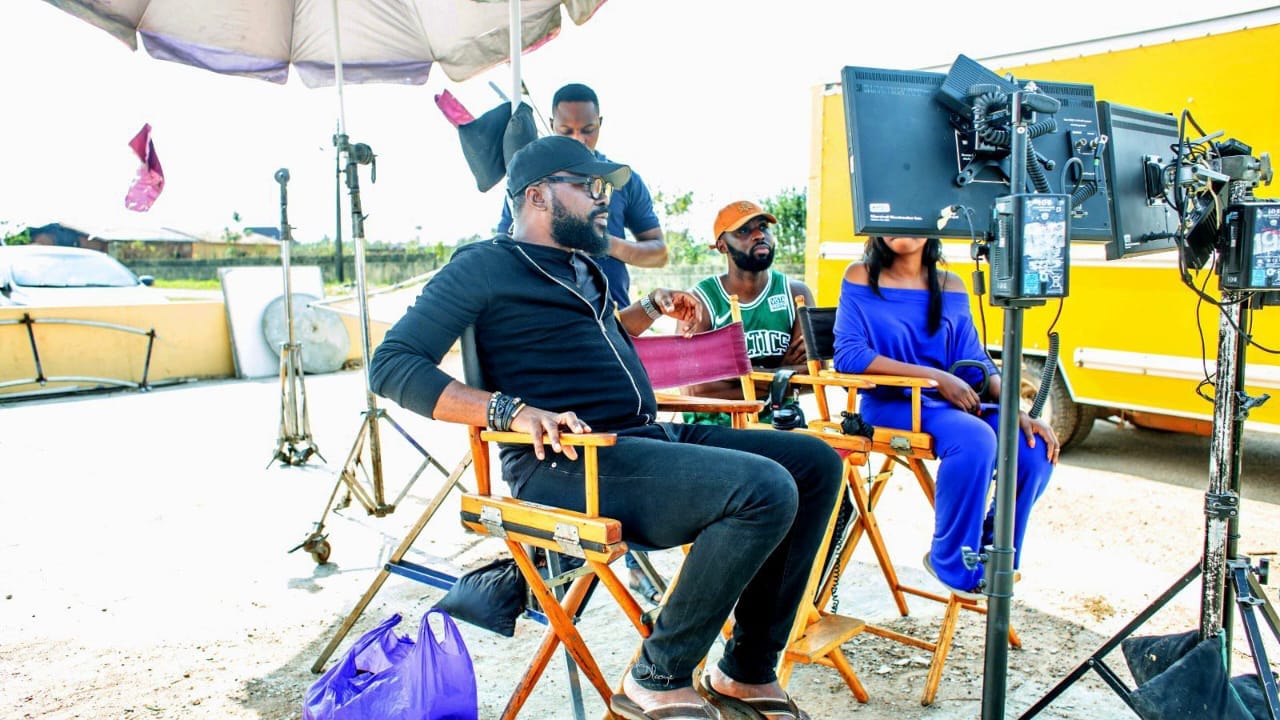
What did the Showmax partnership bring to the creative process that you couldn’t have done otherwise?
One of the biggest things was the belief that African stories deserve investment, scale, and premium treatment. Showmax supported authenticity while pushing for excellence in execution. They did not ask us to erase our cultural identity to appeal to audiences. The partnership created visibility for African content globally and contributed to confidence within the industry itself. Projects like Wura help prove that African premium series can compete on audience attention, cultural relevance, and production value at a high level. Showmax provided a balance between the business side and the creative vision.
In Summary
As Showmax originals find a new home on DStv platforms, Wura continues its run, offering both longtime viewers and new audiences a story that sparked real conversation and emotional investment. Its endurance underscores what becomes possible when producers and platforms commit to ambitious, rooted narratives.

Thanks for Reading.
Shockng.com covers the big creators and players in the African film/TV industry and how they do business.
Let’s be friends on Instagram @Shockafrica