The Story⚡
Global audiences are already tuned into African culture through music and diaspora connections, yet the film and series content they crave, especially in local languages, remains significantly undersupplied.
Tell Me More
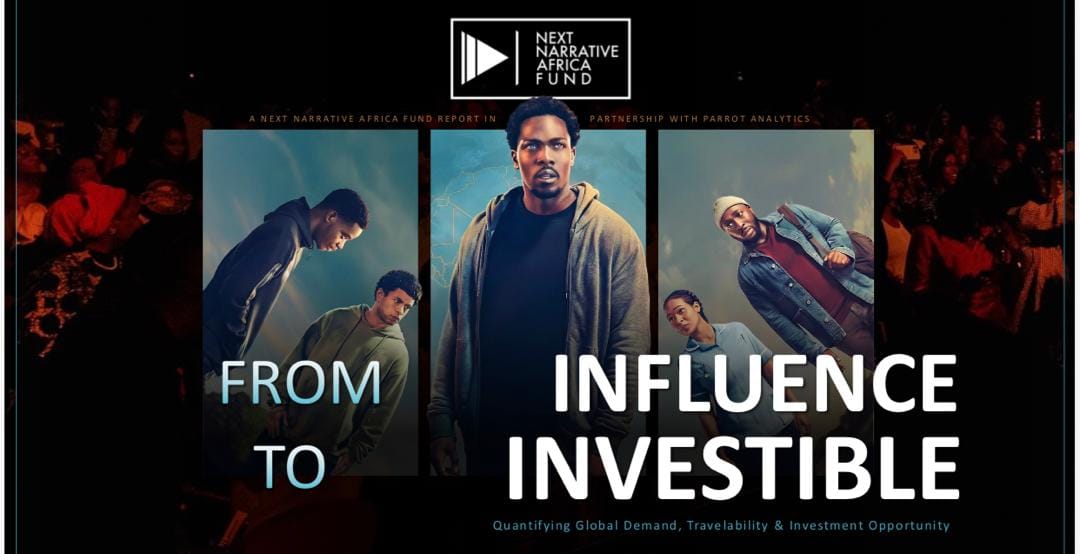
A report from the Next Narrative Africa Fund (NNAF) in partnership with Parrot Analytics, titled “From Influence to Investible,” analyzed digitally expressed demand for African and diasporan film and television content from 2020 through 2025. The study positions African storytelling not as a niche cultural effort but as a category with measurable global audience pull that currently exceeds supply, particularly in non-English language titles.
The data identifies where demand is concentrated, which audience segments drive crossover success, which markets serve as early indicators, and which genres show the largest mismatches between interest and content availability. For filmmakers and investors, the findings outline observable patterns in consumption that can inform development, distribution sequencing, and funding decisions. Here are the seven key observations:
1. The demand gap is the investment thesis.
Non-English African stories represent 28% of audience demand but only 16% of available supply, a 12-point structural gap. This imbalance appears across the tracked cohort and highlights a production bottleneck, especially for content in languages such as Yoruba, Igbo, Zulu, Twi, and Wolof. The gap indicates audiences are actively seeking these stories while supply has not kept pace.
2. The audience infrastructure already exists and is global.
The top consuming markets for African and diasporan content span multiple continents, with the United States leading at approximately 8.7% of global demand, followed by the United Kingdom, South Africa, Canada, France, Brazil, and China. Demand is established rather than hypothetical, reducing the need for investors or distributors to test whether international audiences will respond.
3. Black American women are your leading commercial indicator.
Black American women allocate 44% of their total viewing to Black-led content, representing roughly a 6x over-index compared with the U.S. general population. Titles that perform strongly with this segment frequently expand into broader mainstream demand, making it a reliable early signal for commercial potential when pitching to platforms or distributors.
4. Diaspora markets are the first-mover territories.
In Western Europe, Belgium and Portugal show particularly strong over-indexing for this content, driven by established African diaspora communities that provide culturally connected early audiences. A practical distribution approach involves prioritizing these diaspora-heavy markets first, then expanding to wider release.
5. The blueprint already exists, and the numbers are real.
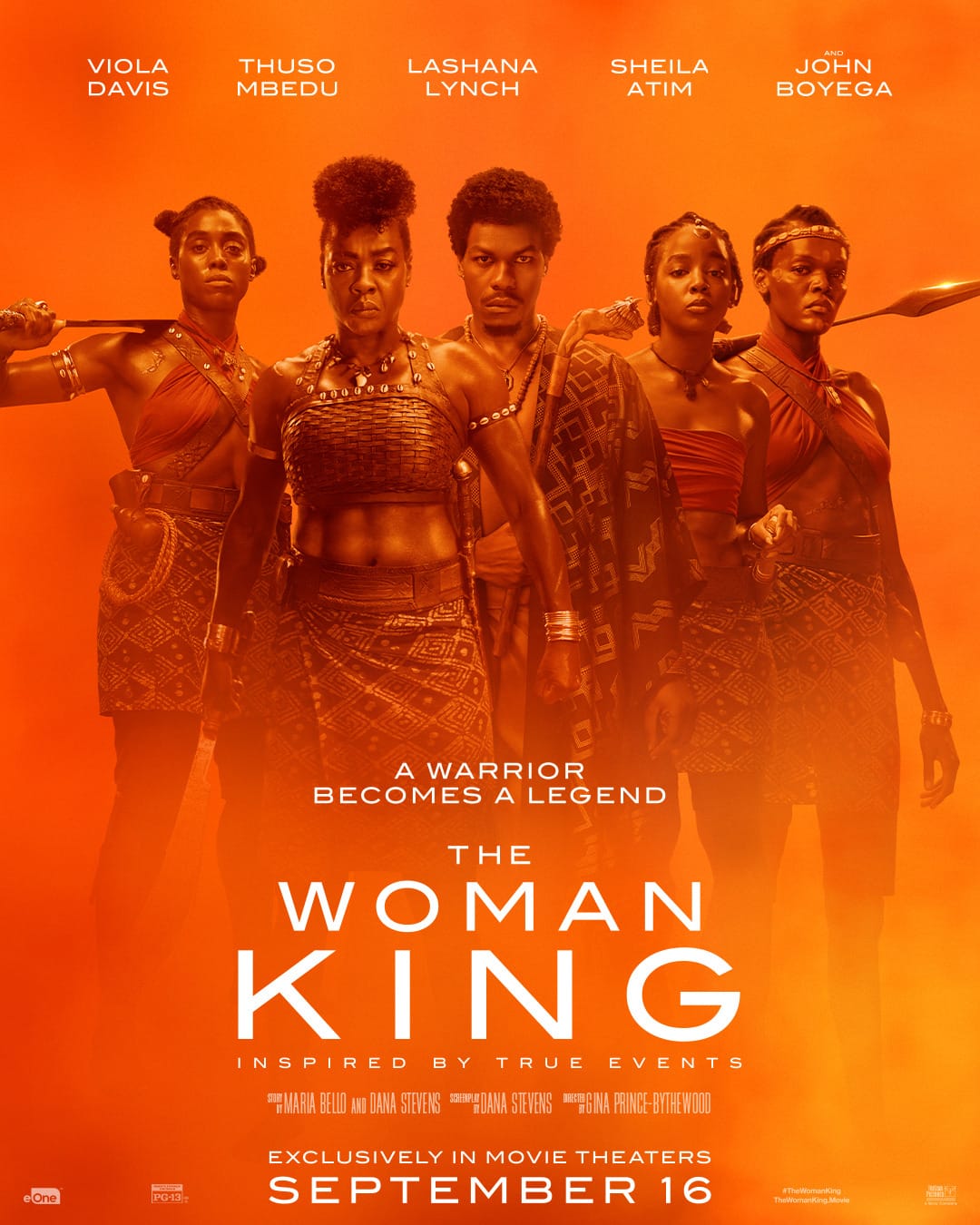
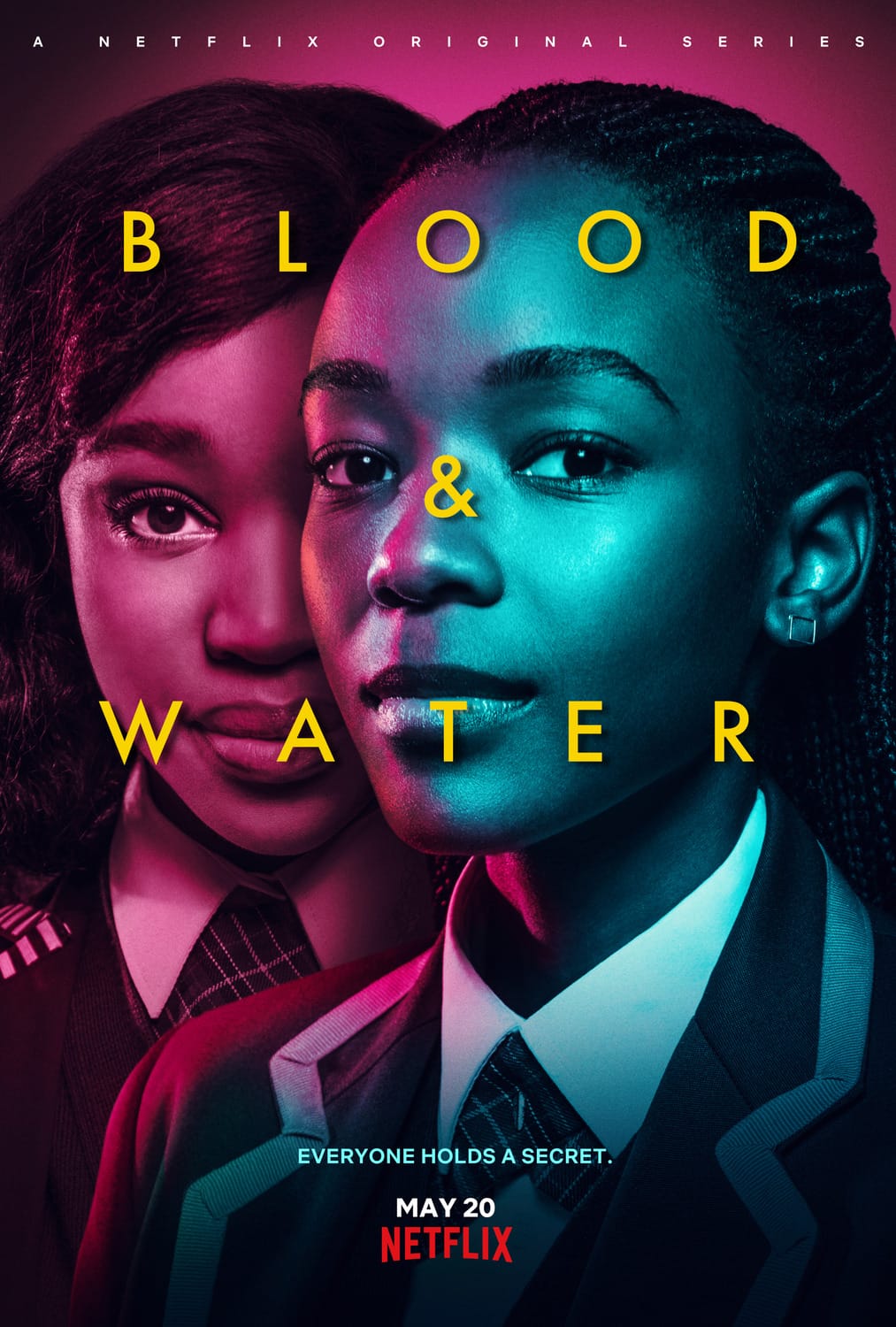
Projects such as The Woman King and the series Blood & Water have together generated more than $100 million in streaming revenue. Breakout titles like Sinners have achieved demand levels up to 54 times that of the average title within the cohort. These outcomes demonstrate repeatable commercial pathways rather than isolated exceptions.
6. Genre is where African content is leaving money on the table.
Genres including action, crime, adventure, and children & family show demand that exceeds their current share of supply relative to global baselines. Drama remains the dominant category in African production, while these higher-velocity commercial genres represent scalable white space. Shifting some focus toward them could better align output with measurable audience preferences.
7. Afrobeats has pre-sold the audience for African cinema, and filmmakers need to capitalize on it.
In the United Kingdom, demand for African cinema has consistently outpaced demand for Afrobeats artists since 2024, with a correlation coefficient of r = 0.744, the strongest single-market signal in the dataset. Music has built familiarity and cultural interest; the next step is converting that audience into consistent viewers for film and series.
In Summary
With proven global demand outpacing supply, what will it take for African filmmakers and investors to close the gap?For a long time, the case for African storytelling was made in feelings. In standing ovations at Cannes, where Mati Diop’s Atlantics took the Grand Prix and C.J. Obasi’s Mami Wata drew the kind of critical attention that changes careers.In the quiet, sustained success of Blood & Water becoming Netflix’s number one African series. In the way an Afrobeats record would take over a city six thousand miles from Lagos and nobody could fully explain why. That argument was always true. It just was not always enough.
Now there are numbers.
Next Narrative Africa Fund, the $40 million commercial content vehicle founded by Akunna Cook, has released a landscape study produced with Parrot Analytics, drawing on five years of global audience data across 750 titles — from Black Panther and Sinners at one end of the commercial spectrum to prestige independents like Atlantics and On Becoming a Guinea Fowl at the other. What they found is harder to dismiss than a festival moment.
The Woman King and Blood & Water generated over $100 million in combined streaming revenue. Sinners reached 54 times the demand of the average title globally. The audiences are already there. The content to meet them has not been made yet. That gap is where the opportunity lives.
Download The Full Report Here: PA_NNAF_Report_2026_FINAL-DRAFT
Thanks for Reading.
Shockng.com covers the big creators and players in the African film/TV industry and how they do business.
Let’s be friends on Instagram @Shockafrica