The Story⚡
Most fans remember Ogogo for the roles that made him a legend. But far fewer knew the mechanic, the man who buried 7 siblings, or the ₦70,000 gamble that changed everything. Here’s what you possibly didn’t know about him.

Tell Me More
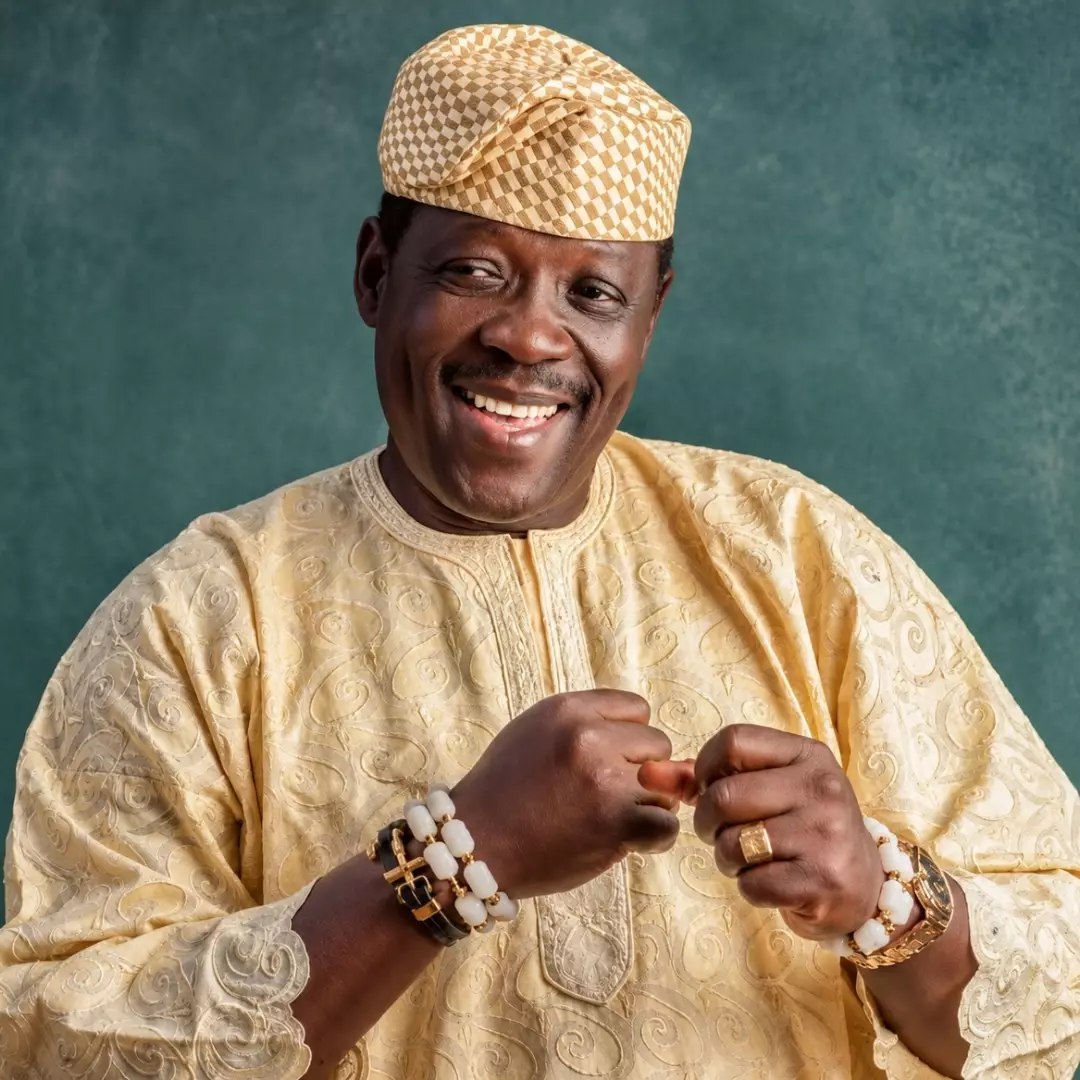
Taiwo Hassan, popularly known by his stage name “Ogogo”, was one of the pillars of Yoruba-language cinema, a man whose career stretched across roughly 45 years and more than 300 films. He passed away on August 23, 2026, at the age of 66, after a battle with stage-four cancer. But behind the familiar face and the booming on-screen presence was a life built on quiet resilience, financial struggle, and an unshakeable devotion to his craft. Here are 12 things about the veteran actor you probably never knew:
1. He came from an extraordinary line of twins
Twins ran deep in Ogogo’s bloodline. Both his father and his grandfather were twins, and his mother reportedly gave birth to four separate sets of twins during her lifetime. It’s the kind of family history that sounds almost impossible, but it shaped the story of loss and survival that followed him for the rest of his life.
2. He was the last man standing from four sets of twins
Ogogo once revealed that he was the only surviving child among all four sets of twins his mother bore, meaning he outlived seven siblings. It’s a staggering weight to carry, yet he rarely let it define his public persona.
3. He lost his father as a child and his mother decades later
He was barely 11 years old when he lost his father. His mother lived on until around the year 2000. In tribute to her memory, he dedicated at least one of his films to her, a quiet nod to the woman who watched him chase a dream many around him doubted.
4. His education started at Christ Church School, Ilaro
Long before cameras and scripts, young Taiwo Hassan was just another pupil at Christ Church School in Ilaro, Ogun State, where he received his primary education.
5. Financial hardship cut his secondary education short
He proceeded to Gazikia College in Lagos for his secondary education, but money problems meant he couldn’t complete it. It’s a detail that makes everything he achieved afterward hit differently.
6. He trained as an automobile mechanic
Unable to continue in the classroom, Ogogo enrolled in a technical college where he learned automobile mechanics, a trade that would go on to fund his earliest years in the film industry.
7. He spent 13 years as a mechanic at Lagos State Water Corporation
While chasing his acting dreams on the side, Ogogo held down a steady job as an auto mechanic with the Lagos State Water Corporation for about 13 years, only resigning in 1994 once his film career could stand on its own.
8. His first self-produced film cost him a fortune
In 1993, Ogogo produced his first film, “The Wicked Boy,” shot in two parts. He spent over ₦70,000 on the project, a huge sum at a time when most films were made on a fraction of that budget.

9. He once earned ₦1,200 for a single role — and it was big money
Two years earlier, in 1991, Ogogo was paid ₦1,200 for his role in “Omo Yoruba.” By the standards of that era, it was a considerable payday for an actor still finding his footing.
10. “Owo Blow” was his breakthrough
Everything changed with his portrayal of Wole Owolabi in Tade Ogidan’s “Owo Blow.” The role didn’t just make him a household name; it earned him Best Actor of the Year at the 1997 THEMA Awards.
11. He found a whole new generation of fans through “Aníkúlápó”
Decades into his career, Ogogo introduced himself to a global streaming audience when he played Alaafin Ademuyiwa in Kunle Afolayan’s 2022 Netflix hit “Aníkúlápó,” a role that earned him a Best Supporting Actor nomination at the 2023 AMVCAs. He reprised the character in the 2024 sequel, proving he still had plenty to offer even in his final years.
12. He fought a private battle with illness — more than once
Long before the cancer diagnosis that eventually claimed his life, Ogogo survived a severe, years-long battle with ulcers, a period during which he reportedly couldn’t eat solid food for months and survived mostly on pap. At one particularly low point, fearing he might not survive, he pushed himself to produce a film anyway, determined to leave something behind for his children.
In Summary
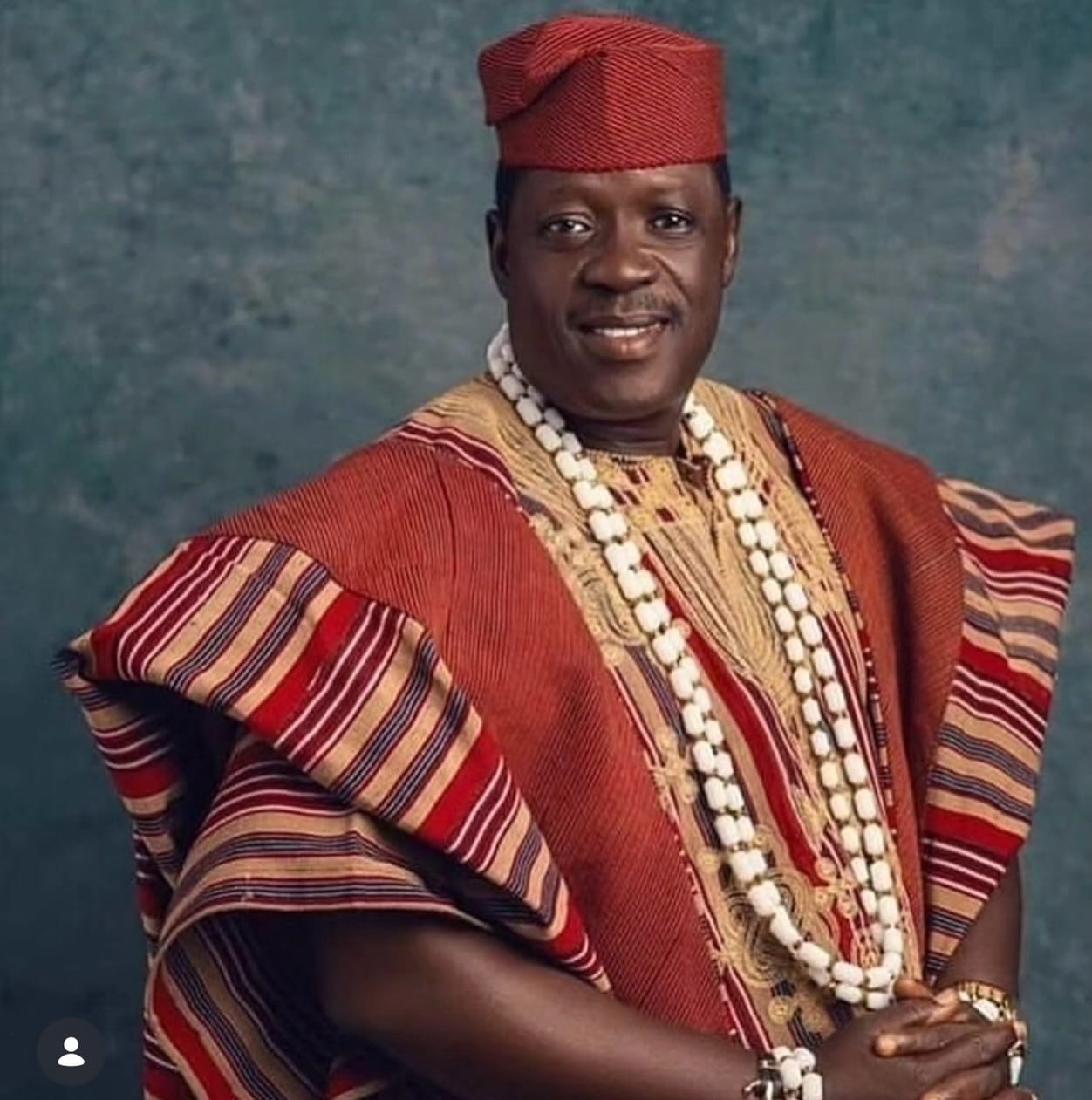
Ogogo will be remembered for the consistency of his work, the quiet strength with which he met personal hardship, and the care he took with the stories he chose to tell. His body of work remains, and the example of a man who kept moving forward despite early losses and practical obstacles continues to speak for itself.

Thanks for Reading.
Shockng.com covers the big creators and players in the African film/TV industry and how they do business.
Let’s be friends on Instagram @Shockng