The Story⚡
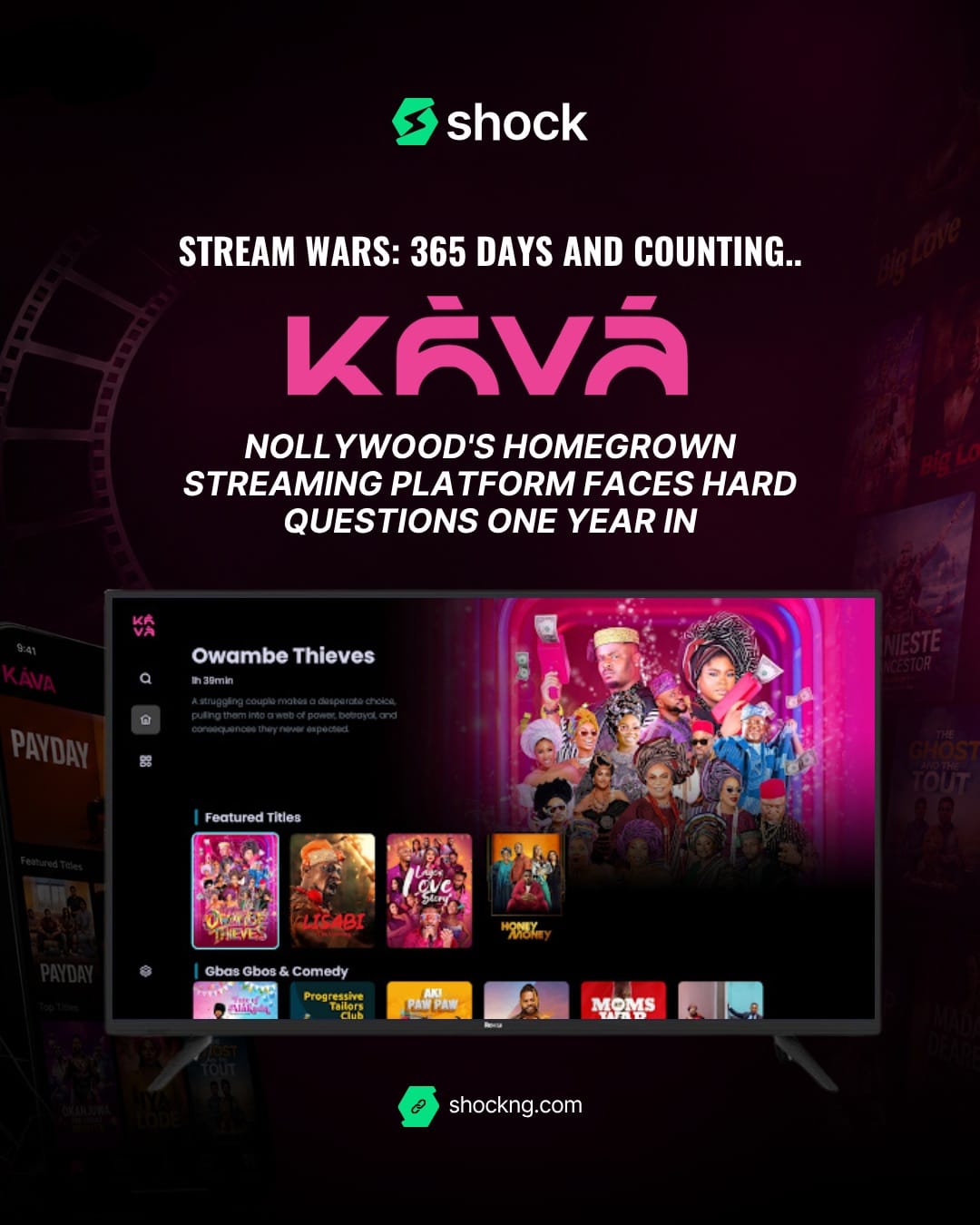
One year in, and Kava looks like a Nollywood success story. But behind its first-year numbers sits a platform with some real questions to answer, starting with whether the momentum is even its own.
Tell Me More
In the space of roughly eighteen months, three of the largest platforms funding and distributing Nollywood content either retreated or disappeared. Prime Video exited African originals without ceremony. Showmax, after a decade and the better part of three hundred million dollars, was discontinued in March 2026 and described internally as an expensive failure. Netflix quietly reduced its local commissioning to approximately one title a month.
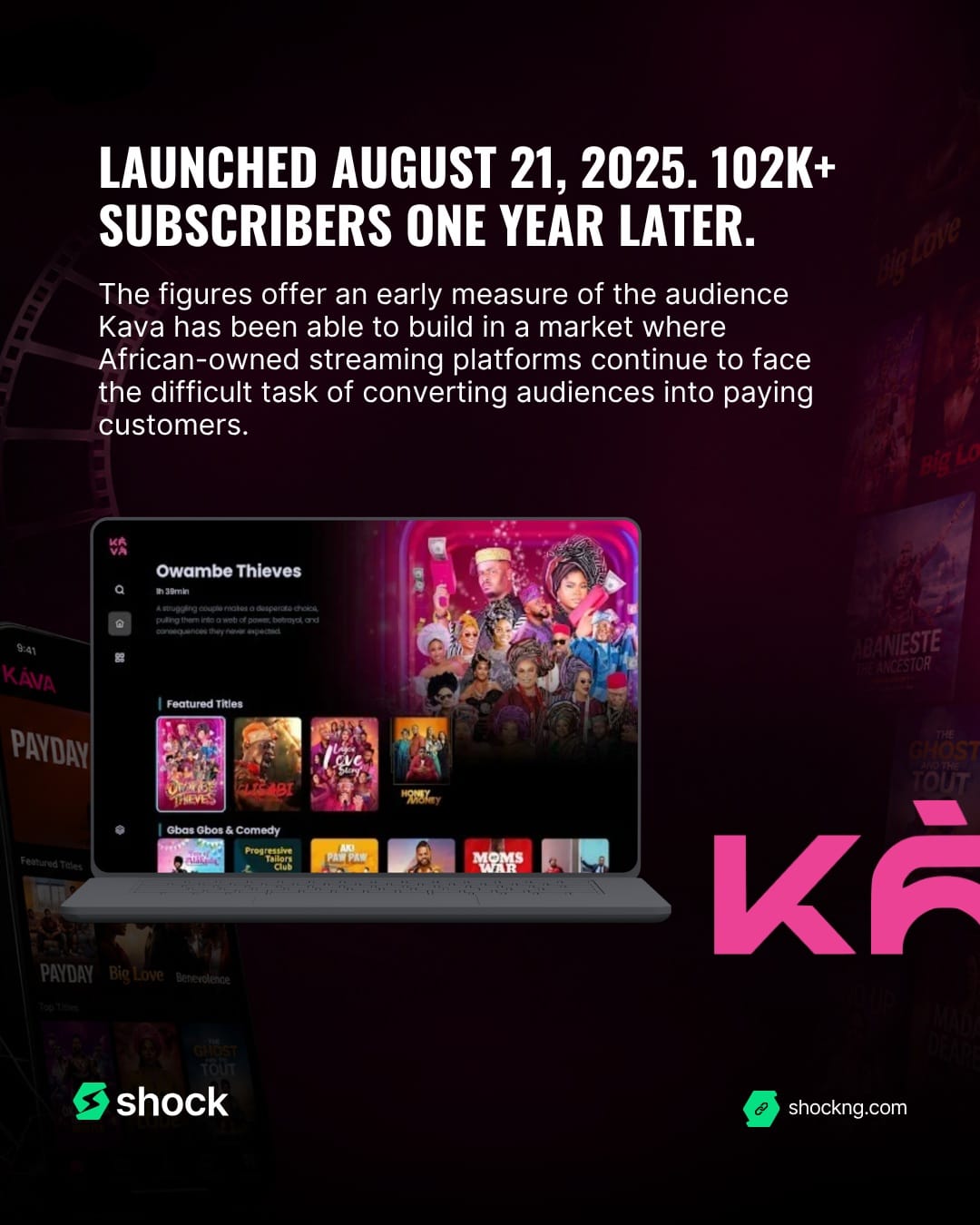
The bidding wars that once gave filmmakers real leverage vanished with them. What remains is a structural silence, fewer credible outlets, weaker deals, and a generation of filmmakers choosing survival over preference. It is into this silence that Kava TV launched in August 2025 with thirty films, founded by Kene Okwuosa of Filmhouse Group and Chinaza Onuzo of Inkblot Productions. A year later, the platform has the kind of numbers most Nollywood services would kill for. But numbers alone do not tell you whether a business is built to last. A closer look at how Kava got here raises seven questions worth asking before anyone calls this a success story.
A captive supplier base is not a content strategy
Kava’s content pipeline is shaped by the depression it inherited. With the major platforms gone or retreating, independent filmmakers no longer have competing offers. There is barely an offer at all. Kava steps in largely at the end of the content lifecycle, after theatrical runs close and global licensing windows expire, and presents terms that many accept not because the deal is strong, but because the alternatives are YouTube’s unreliable ad revenue or silence. The platform has filled a genuine gap. Whether it has filled it through distinctive commissioning and long-term creative relationships, or simply by being the last credible door still open, remains the open question.
Introductory pricing was always temporary
The offline feature has an unintended beneficiary
Kava’s download function addresses a real barrier in Nigeria: high data costs and unreliable connectivity. For many viewers, it is a requirement, not a luxury. Yet the same feature creates an unmanaged distribution channel. A film downloaded on Monday is often circulating across WhatsApp groups, Telegram channels, and the informal USB economy by Tuesday. In an industry already struggling with collapsed formal distribution, the convenience that helps the platform grow also risks becoming a primary source of unauthorised redistribution. Filmmakers are beginning to notice the contradiction.
The series gap is a retention crisis in waiting
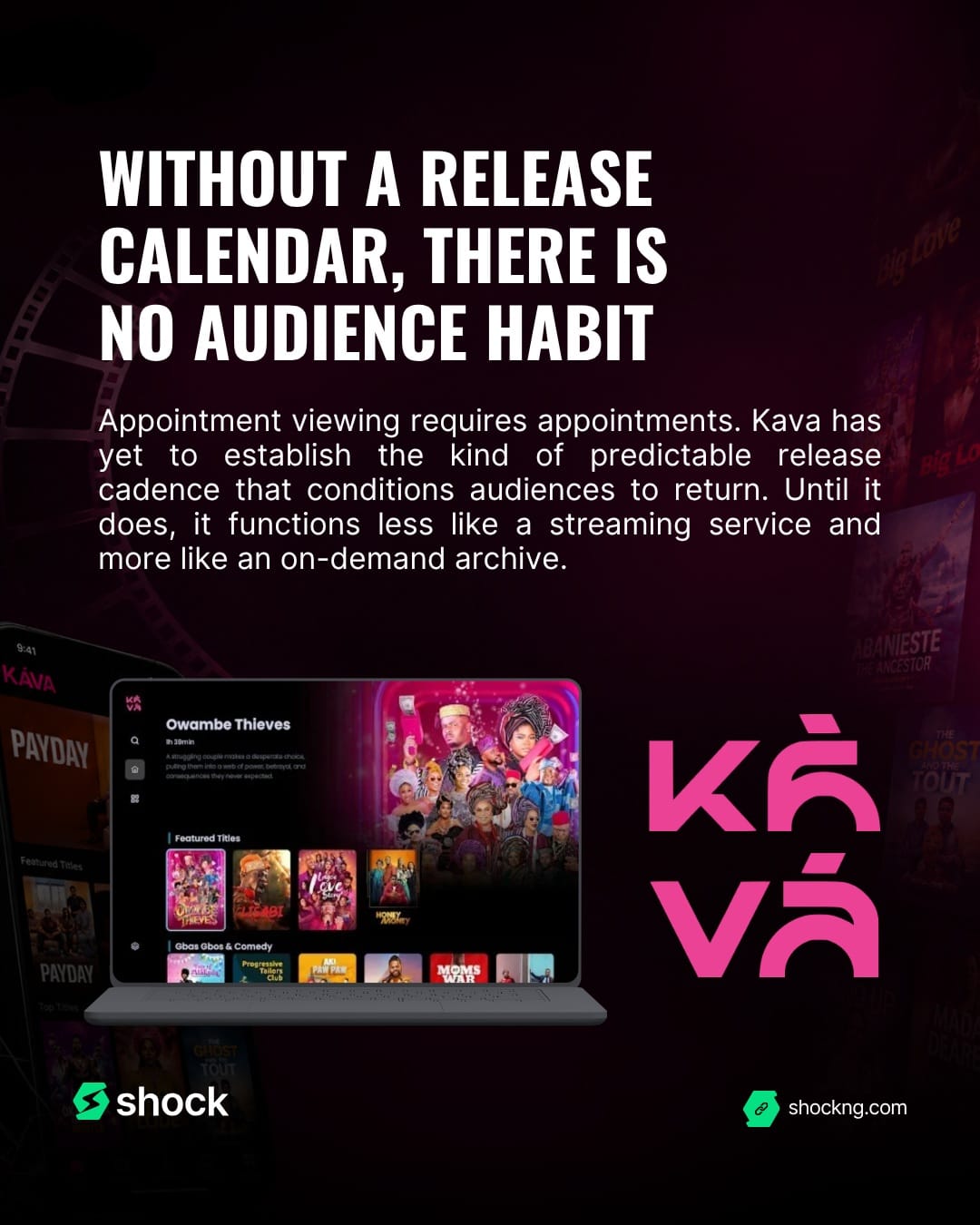
Without a release calendar, there is no audience habit
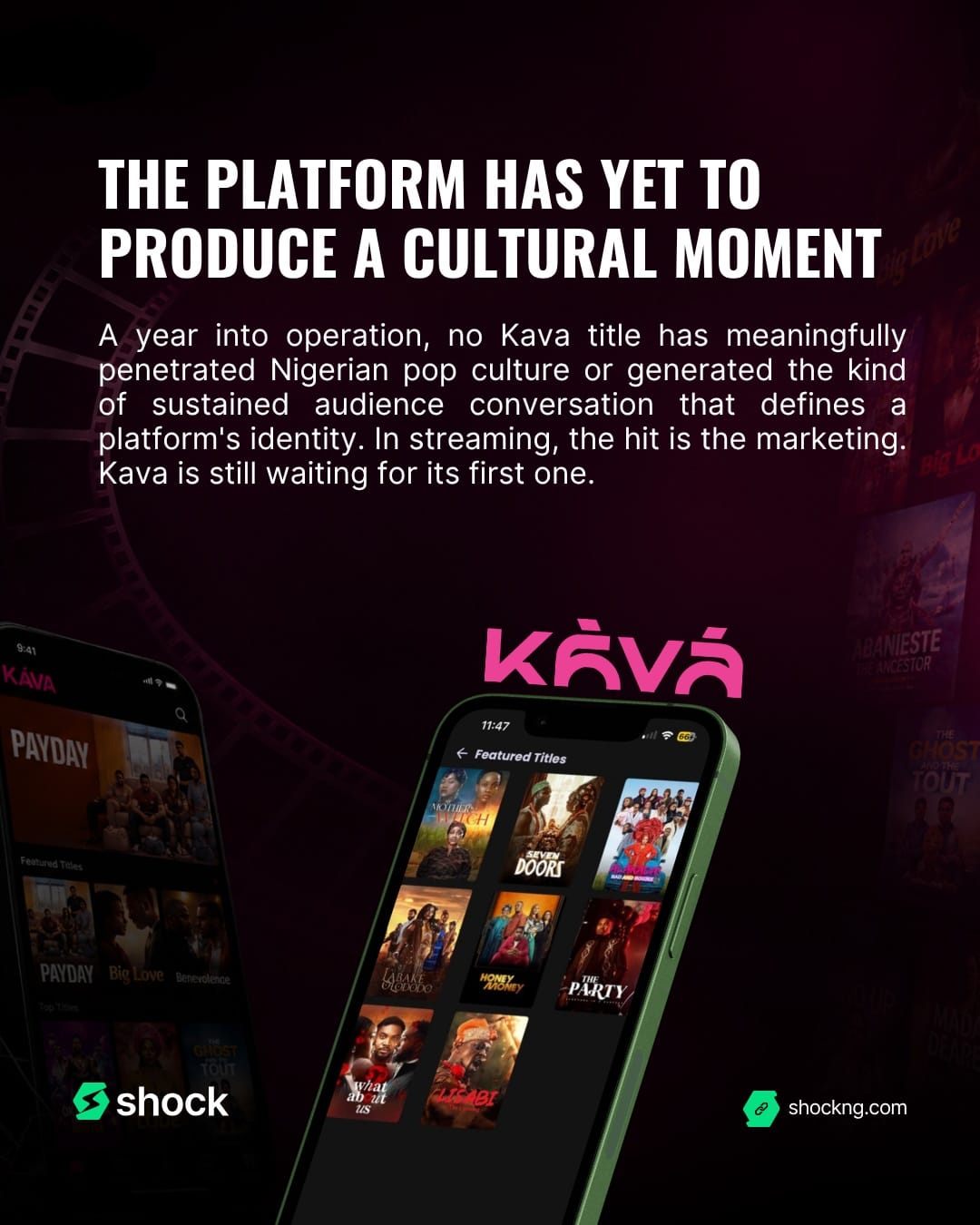
The platform has yet to produce a cultural moment
Netflix pulled back. Kava has not stepped forward
In Summary
1. Are filmmakers really choosing Kava, or just out of options?
With the major platforms retreated or gone, the bidding wars are over. Many filmmakers reach Kava after other windows have closed, accepting terms driven more by survival than preference. Filling a vacuum is not the same as earning lasting creative loyalty.
2. How long before the price goes up?
₦3,000 domestically and $5.99 for the diaspora remain acquisition pricing. A meaningful increase is coming. The test will be whether the library has become indispensable enough to prevent significant churn.
3. Is Kava accidentally Nollywood’s biggest piracy source?
The offline download feature solves a real access problem, yet it also feeds WhatsApp groups, Telegram channels, and the USB economy. The convenience that drives growth risks accelerating the unauthorised distribution the platform was meant to reduce.
4. Where are the series?
Films bring people in. Series keep them subscribed. Kava’s catalogue is still heavily film-first, leaving a structural retention gap that will only become more expensive over time.
5. Why can’t audiences predict when anything drops?
Without a consistent release calendar, there is no appointment viewing culture. Titles frequently arrive after their moment has passed. Kava has not yet trained audiences to show up on a date.
6. Has anything on Kava entered the group chat?
Not yet in a lasting way. A Mama Deola Wedding Story produced a loud, well-staged premiere, but the film itself was met with indifference. A successful party is not the same as a cultural moment that travels beyond existing subscribers.
7. Why is Kava still following Netflix’s calendar instead of setting its own?
Netflix’s reduced commissioning has opened the widest window in years. Kava has the means to claim it by securing major titles first and premiering them exclusively. So far it has not fully stepped into that role.
Thanks for Reading.
This piece focuses on the questions still hanging over Kava.
Shockng.com covers the big creators and players in the African film/TV industry and how they do business.
Let’s be friends on Instagram @Shockng