The Story⚡
The lawyers in the room rarely make the headlines when a Nigerian company raises millions or closes a major transaction, yet the deal often lives or dies on the structures they put in place long before the announcement.
Tell Me More
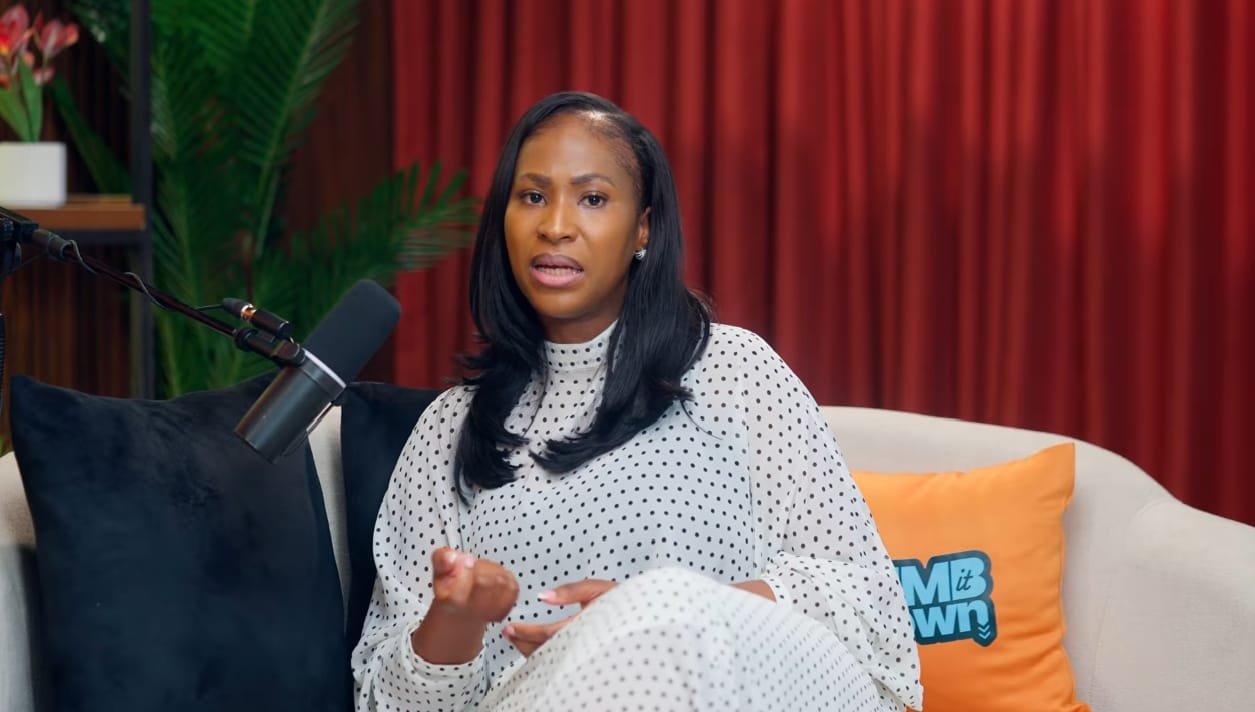
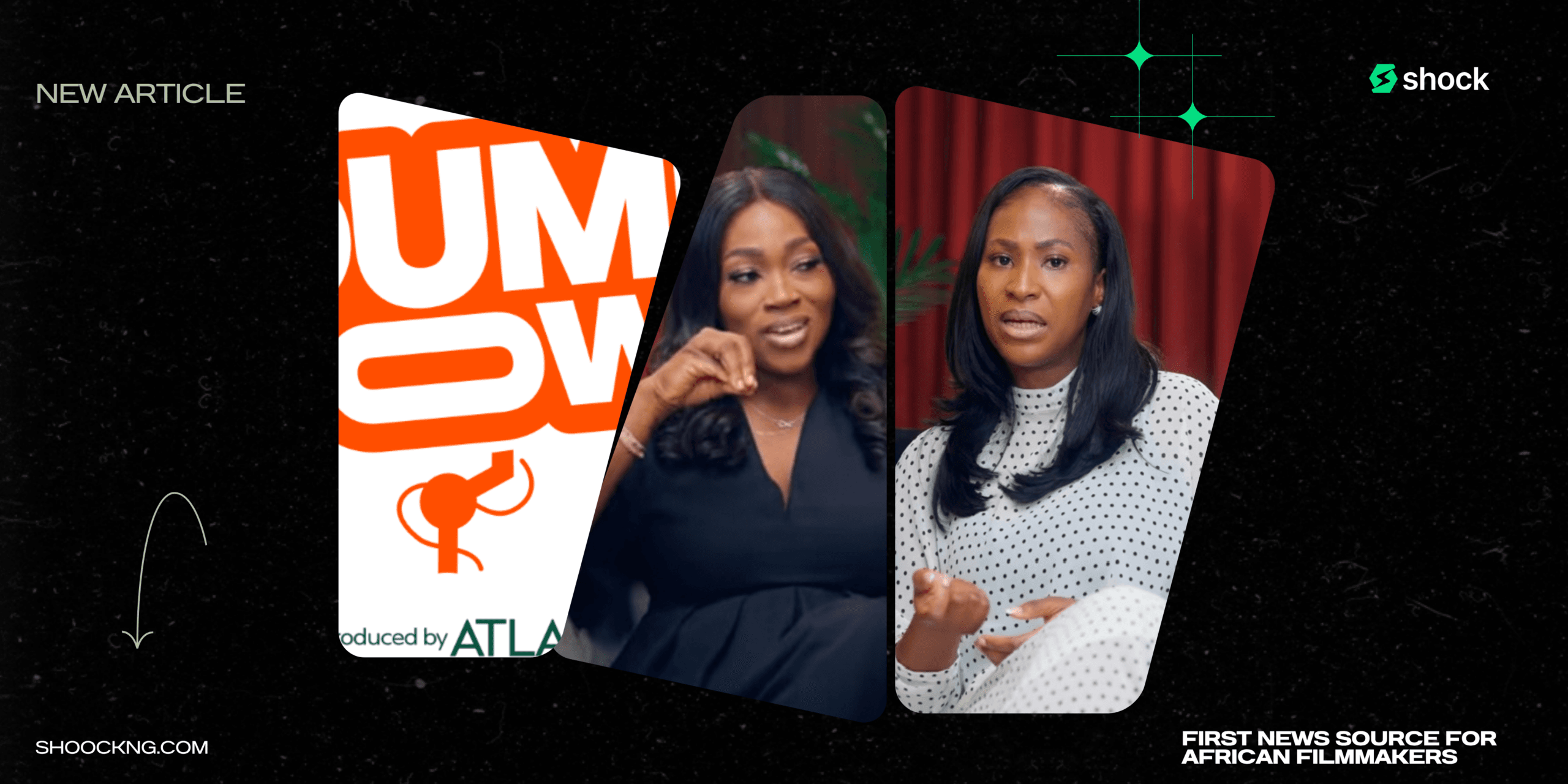
In the fourth episode of Atlas 777 Media’s Dumb It Down, Abimbola Craig sits with Bukola Bankole, Partner at TNP and head of the firm’s Fintech, TMT, Corporate Finance and Capital Markets teams. Bankole has spent nearly two decades advising founders, investors and boards on financing and investment matters. She describes her work plainly: helping people build businesses, shape their futures and make money.
She pushes back against the idea that lawyers only appear when trouble starts. “You don’t hire a lawyer because you have a problem,” she says. “You hire a lawyer so you don’t have a problem.” She sees herself as a revenue enabler, someone who puts solutions in place before they turn costly. Governance is a clear example. Few founders prioritise board processes while growth is exciting, yet weak structures often surface later as founder disputes, unclear ownership of intellectual property, or decision-making that cannot keep up with the company.
Bankole uses a simple image. Two people buy a house together. The excitement fades when the roof leaks and no one has agreed on who pays for repairs or how costs are shared. Early-stage companies face the same risk. A proper company structure, a founders’ agreement and clear ownership of trademarks and domain names form the quiet housekeeping that prepares a business for serious investor conversations.

Private Equity, Venture Capital and the Blurry Lines
The main difference between private equity and venture capital, she explains, lies in stage and risk. Venture capital usually enters earlier and accepts higher risk. Private equity tends to arrive later with larger tickets. In the Nigerian market, the lines have softened. Local funds that understand the terrain sometimes take positions that look more like venture investments. Lawyers help design structures that keep those deals within the investor’s mandate.
What Founders Need Before Meeting Investors
Bankole is direct about the basics. Is the company registered? Is there a founders’ agreement? Where does the intellectual property sit? Investors are not only backing today’s product. They are backing every possible future version of the business, and they look closely at the person behind it, whether that founder is coachable, curious, and able to take advice when things get hard.
Fintech, Regulation and African Opportunity
On Nigeria’s fintech sector, Bankole says the ecosystem is clearly maturing. Companies that once needed lawyers simply to explain their models to regulators now attract institutional capital and operate across borders. She rejects the view that interest in African investment is only narrative. A large population and long-ignored problems in payments, healthcare and consumer goods create real openings. The African Continental Free Trade Area, she notes, reduces friction in cross-border trade and payments, areas where local fintech solutions are already active.
International investors want returns while protecting the capital they manage. They therefore examine the founder carefully: Can this person handle larger sums? Will they remain coachable under pressure?
Building a Career at the Intersection
Bankole’s own path began with an expectation of banking or oil and gas, yet she has stayed in law for nearly twenty years. Asked about working as a woman in a still male-dominated field, her answer is practical. Spend less time worrying about obstacles and more time becoming exceptional. Exceptional work, she believes, is hard to overlook.
In a short segment, she translates key terms into everyday language: corporate governance as a framework for decisions before emotion takes over, due diligence as the mechanic’s check before buying a used car, a term sheet as the introduction before the marriage, and capital structure as the division of pizza slices.
Watch Full Interview Here
In Summary
Bankole’s appearance on Dumb It Down leaves a clear impression of the quiet architecture that sits beneath Nigeria’s most visible deals. The next time a funding announcement appears, the structures that made it possible were almost certainly shaped in rooms the cameras never entered. In further episodes, Dumb It Down turns to other guests and other industries, and each one gets the same plain-terms treatment. New episodes are out every Friday on YouTube and Spotify.
Thanks for Reading.
Shockng.com covers the big creators and players in the African film/TV industry and how they do business.
Let’s be friends on Instagram @Shockng