The Story ⚡
Lagos prepares to host the 15th Africa International Film Festival from 1 to 7 November 2026. Under the theme “Frames of the Future: Africa’s Creative Intelligence,” the event turns its attention to the people and ideas reshaping how African stories are made, financed and shared.
Tell Me More
The Africa International Film Festival has released the full programme for its 15th edition, set to take place in Lagos, Nigeria, from 1 to 7 November 2026. The theme, “Frames of the Future: Africa’s Creative Intelligence,” places the focus on the imagination, innovation and entrepreneurial drive currently shaping African cinema and the broader creative sector.
The festival examines how African storytellers are rewriting narratives, adopting new technologies and formats, and building fresh business models for financing, production and distribution. The programme includes film screenings, industry conversations, masterclasses, networking sessions and the Africa Film & Content Market (AFCM). Together, these elements aim to amplify African voices, open pathways and strengthen the continent’s place in global storytelling.
AFRIFF Founder and Festival Director Chioma Ude stated: “African cinema is entering an exciting new chapter, driven not only by the power of our stories but also by the intelligence, innovation and enterprise behind them. With ‘Frames of the Future: Africa’s Creative Intelligence,’ we are celebrating the people reimagining how African stories are created, financed, experienced and shared with the world. AFRIFF 2026 is designed to inspire new possibilities, encourage meaningful industry connections and help translate Africa’s creative potential into sustainable opportunities.”
As the festival reaches its 15th year, Ude’s comments also invite reflection on AFRIFF’s journey and its ongoing work of championing African storytelling, building industry links and creating routes for filmmakers to reach audiences and markets worldwide.
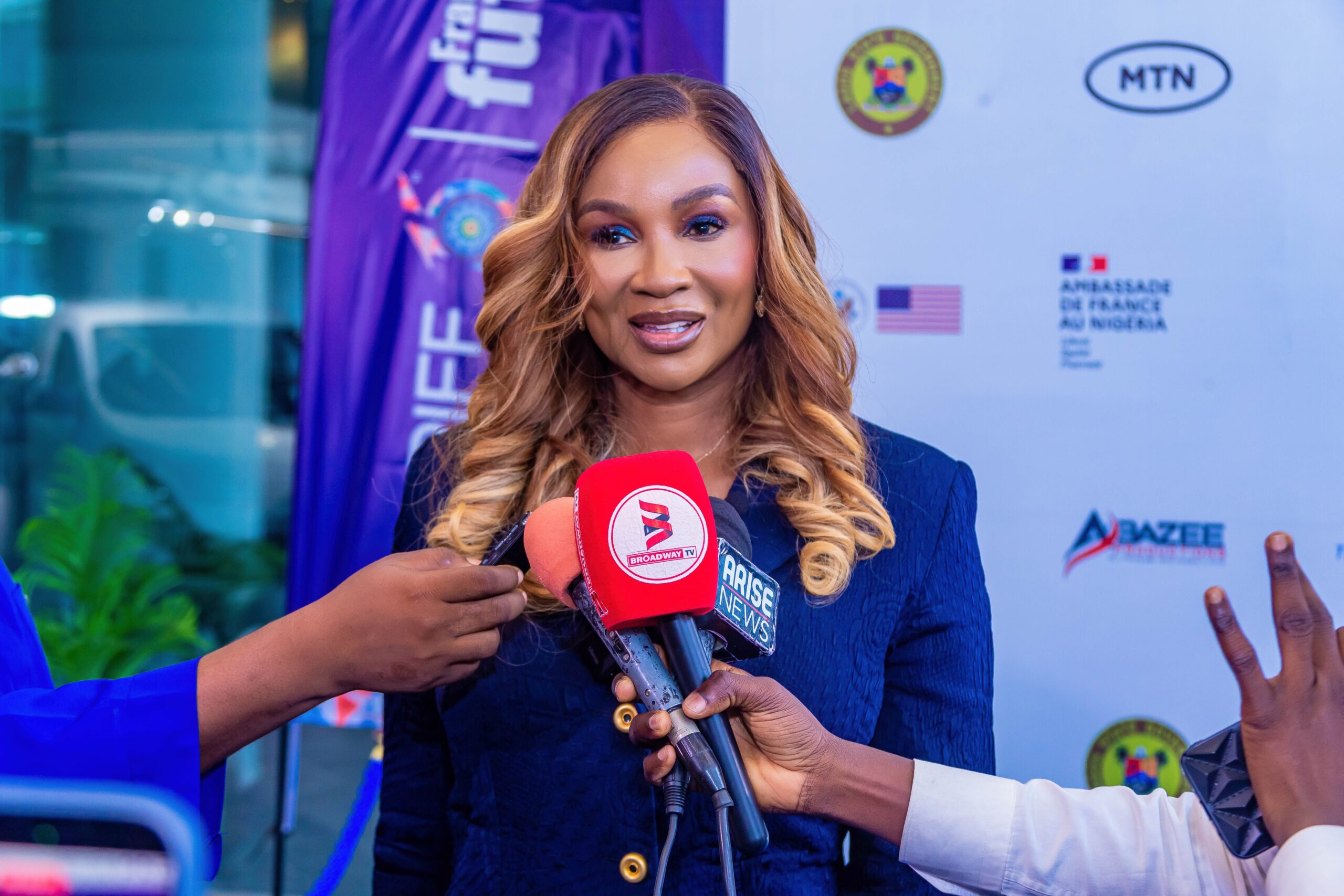
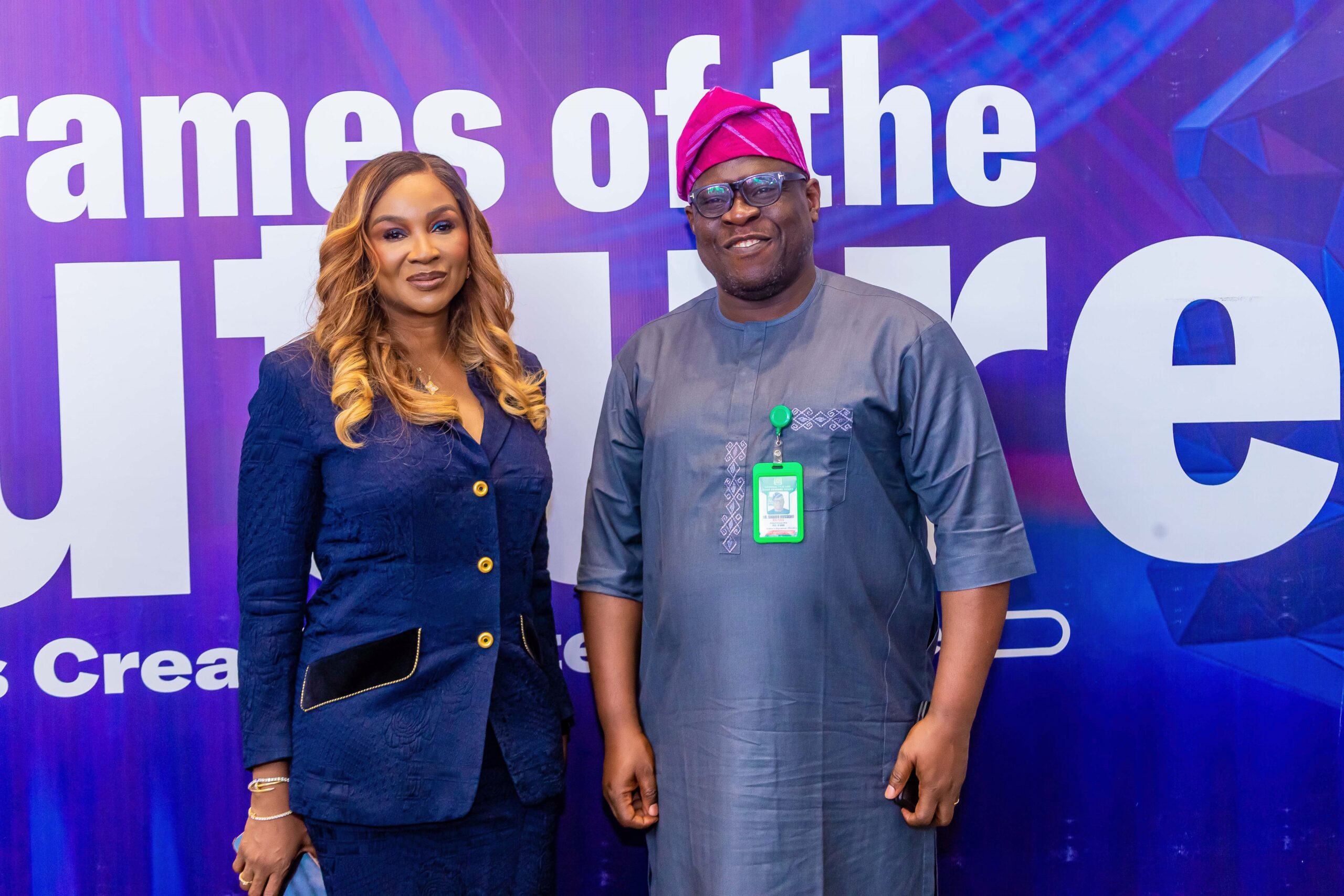
Representing the Honourable Minister of Arts, Culture and the Creative Economy, Hannatu Musa Musawa, Mr. Shuaib Hussein, Director-General of the National Film and Video Censors Board (NFVCB), reaffirmed the Federal Government’s commitment to the growth of Nigeria’s creative industries through policies that strengthen technology, distribution and infrastructure. He described AFRIFF’s 15-year journey as evidence of the power of African storytelling and its capacity to drive economic growth by connecting local creative talent with global audiences. Hussein commended Chioma Ude for sustaining the festival and for championing capacity building through the AFRIFF Academy. He assured the festival of the Ministry’s continued partnership and institutional support, and urged the media to help carry African stories to audiences around the world.
International Partnerships and Cultural Exchange
The festival’s international character was clear in the remarks delivered by diplomatic representatives. United States Consul General Brandon Hudspeth noted that the U.S. Mission in Nigeria is proud to support the Africa International Film Festival for the 11th consecutive year as part of efforts to strengthen collaboration between the American and Nigerian film industries. He announced the participation of two U.S. film envoys, Angel Kristi Williams and Charles Kirby, who will lead week-long workshops for emerging Nigerian filmmakers on directing and cinematography. The workshops will share expertise, build connections, and explore creative collaborations. “Our goal is to give Nigerian creatives the tools and connections to shape their own future and do business with American platforms, studios and investors,” Consul General Hudspeth said.
Brazilian Consul General Ronaldo Vieira highlighted the value of cultural exchange and international collaboration in strengthening the film industry, recognising cinema’s ability to connect countries, cultures and audiences. Laurent Favier, Consul General of France in Lagos, spoke of the importance of international alliances and film co-productions in helping national industries adapt to changing market conditions while retaining their distinctive creative identities. “International co-productions offer an opportunity to express our distinctive identities and to create new shared imaginaries,” Favier said. He observed that France and Nigeria both enjoy strong domestic audiences for their local productions, yet market dynamics over the past decade have altered traditional business models.
He pointed to the Lumière Summit, launched by French President Emmanuel Macron, as an initiative aimed at building international alliances across the film sector. Favier described AFRIFF as a leading partner in cultural cooperation between France and Nigeria, noting that four French-Nigerian feature-film co-productions are currently in development, alongside collaborations in fiction, animation and documentary series. He confirmed France’s support for a professional delegation at AFRIFF 2026 to develop new partnerships and creative collaborations, and wished the festival success while reaffirming the role of international cooperation in shaping the future of cinema.
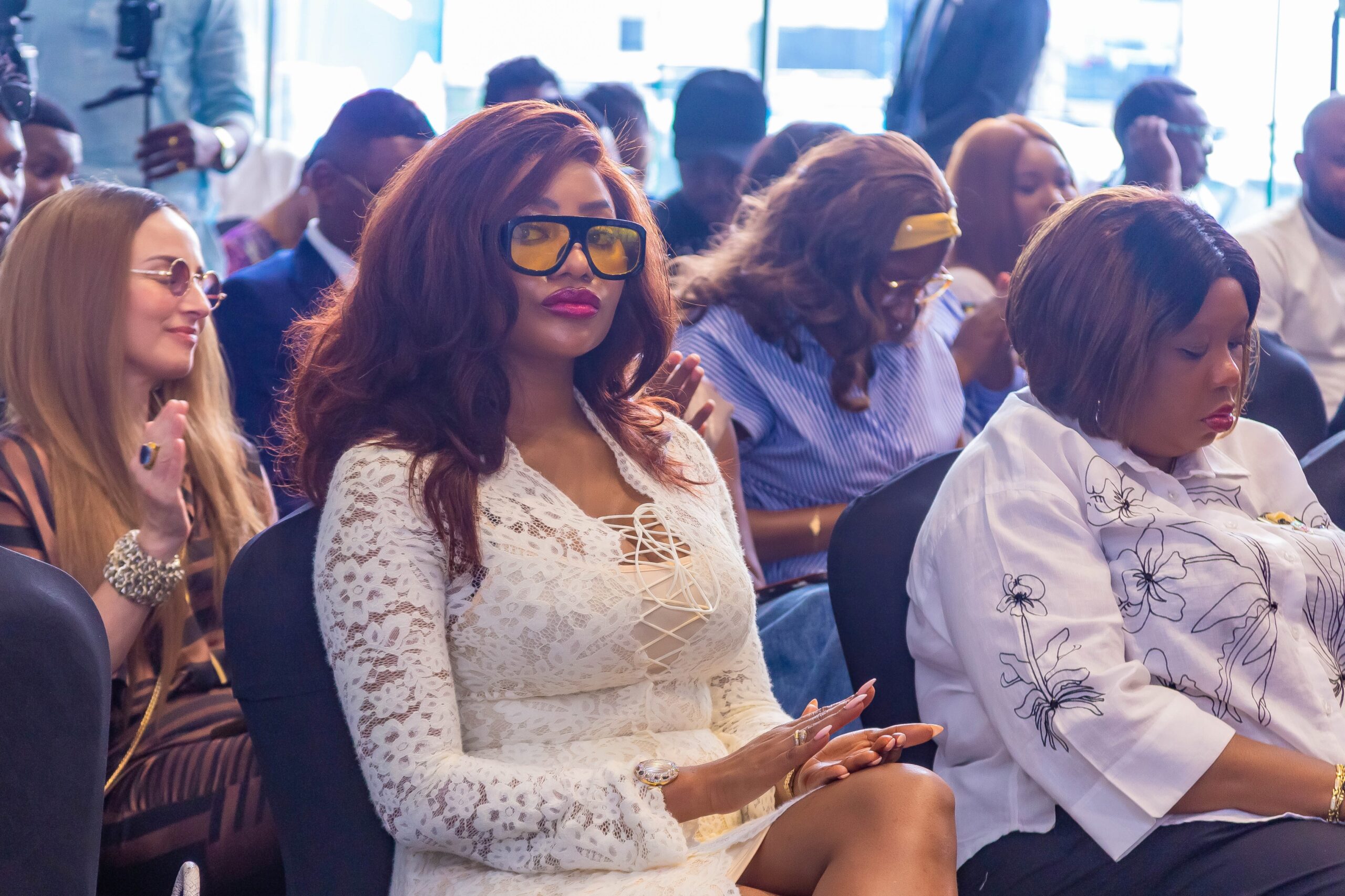
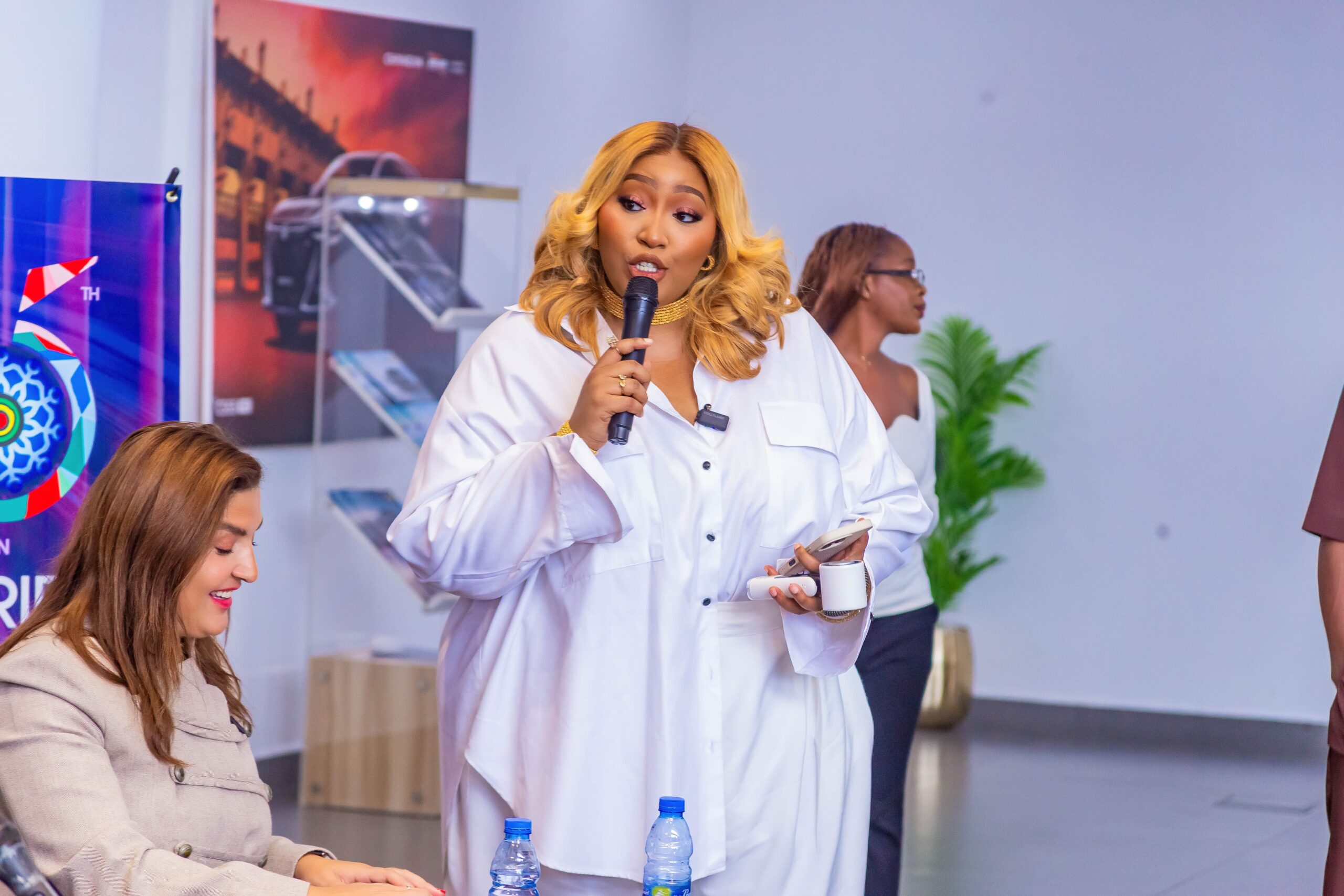
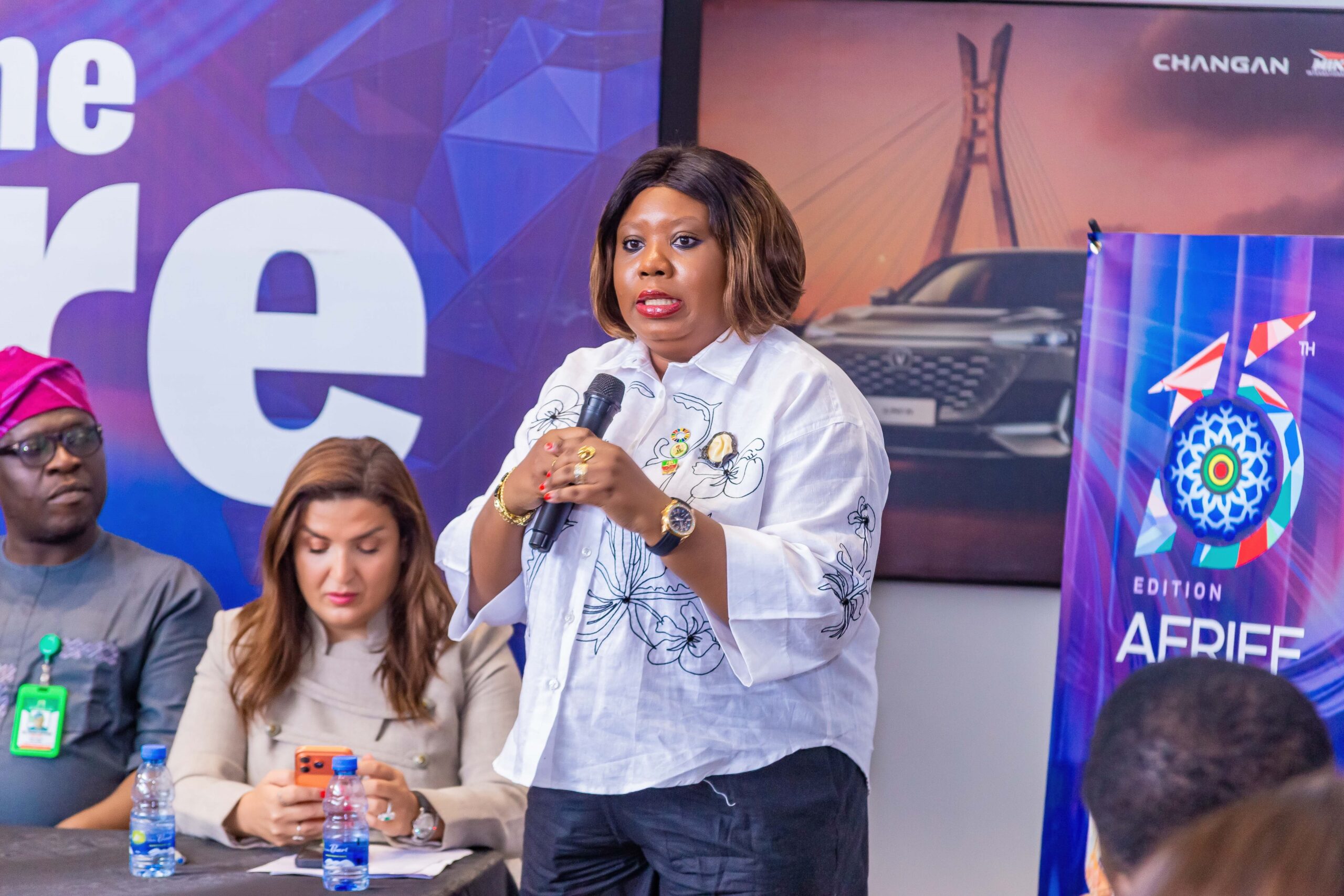
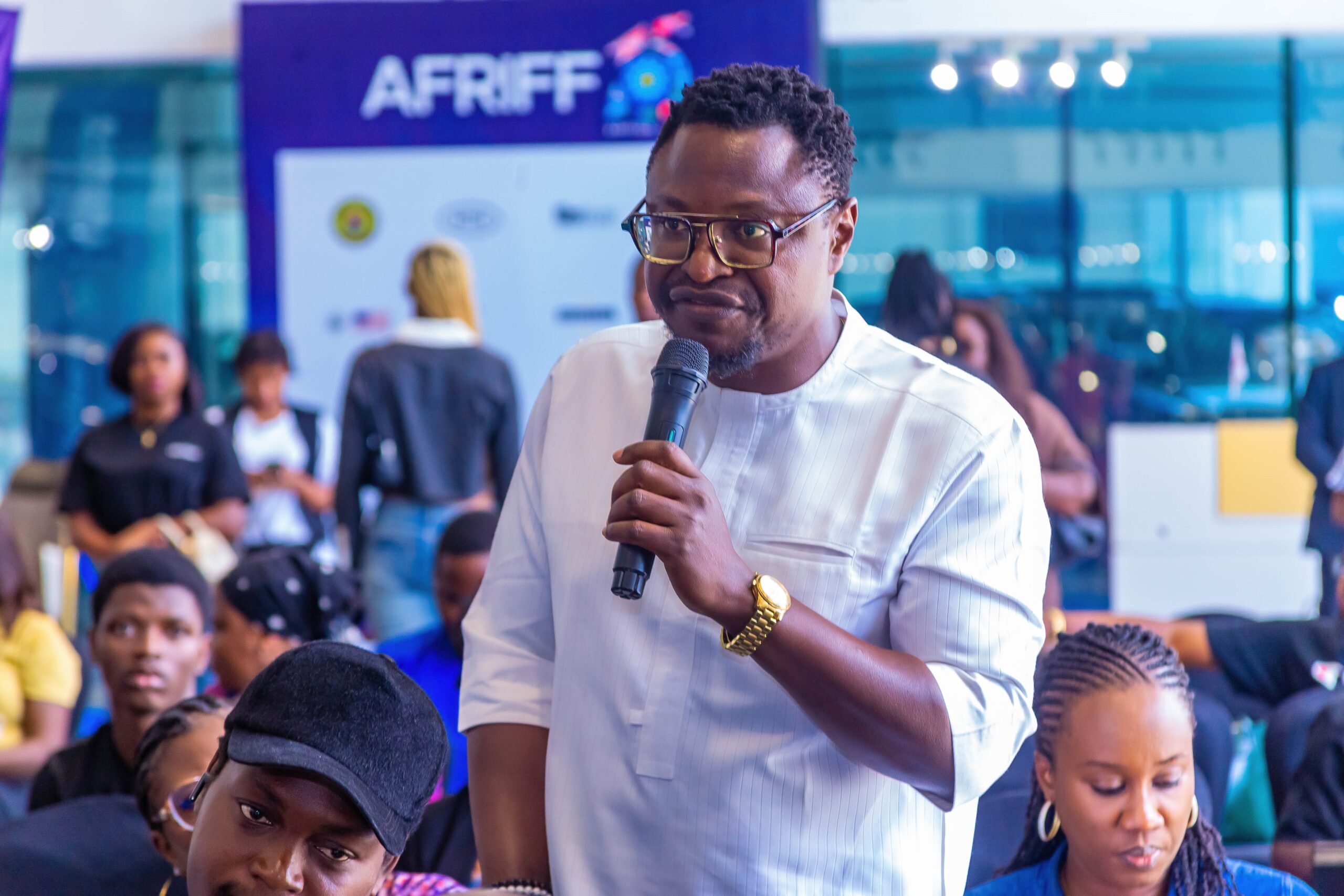
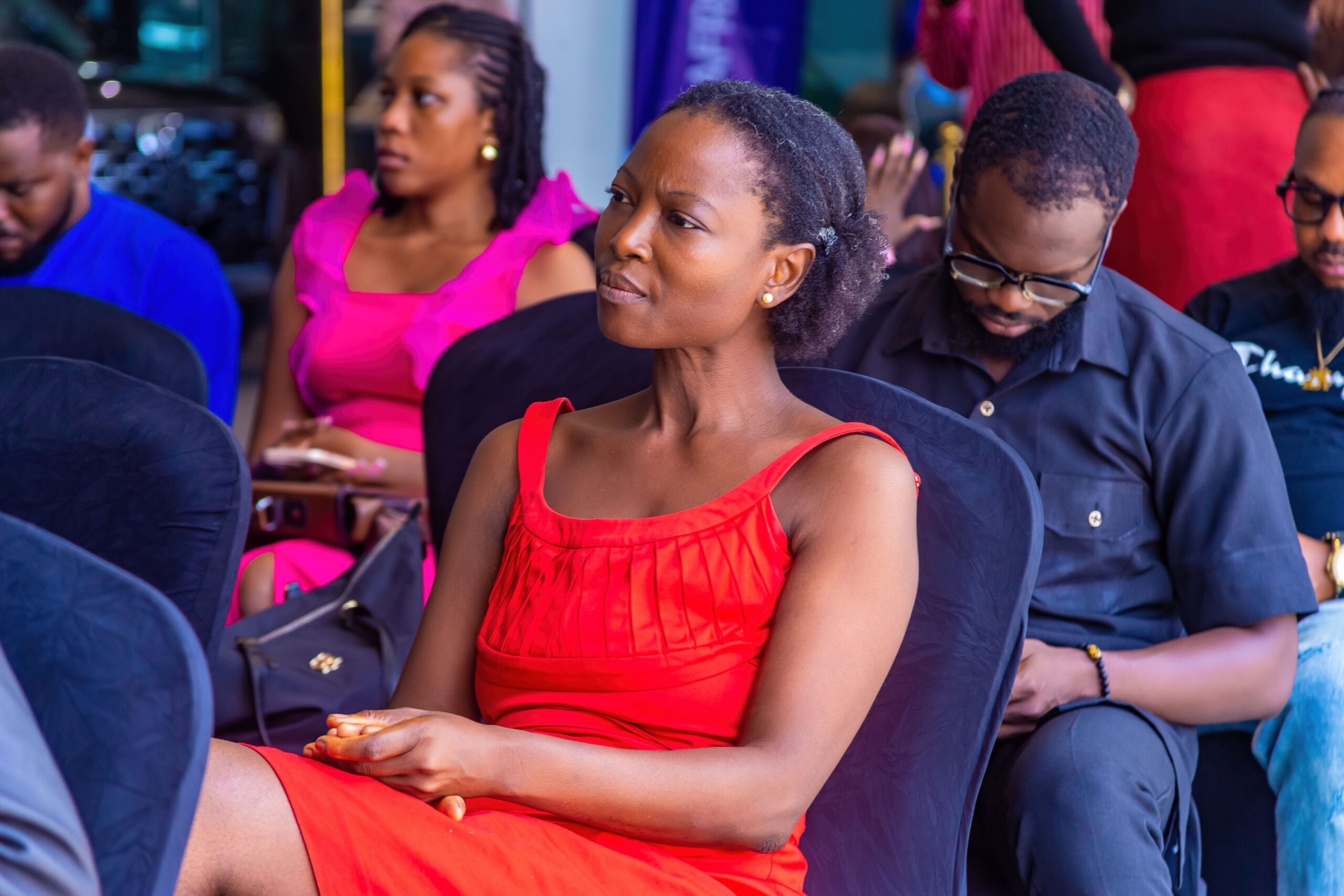
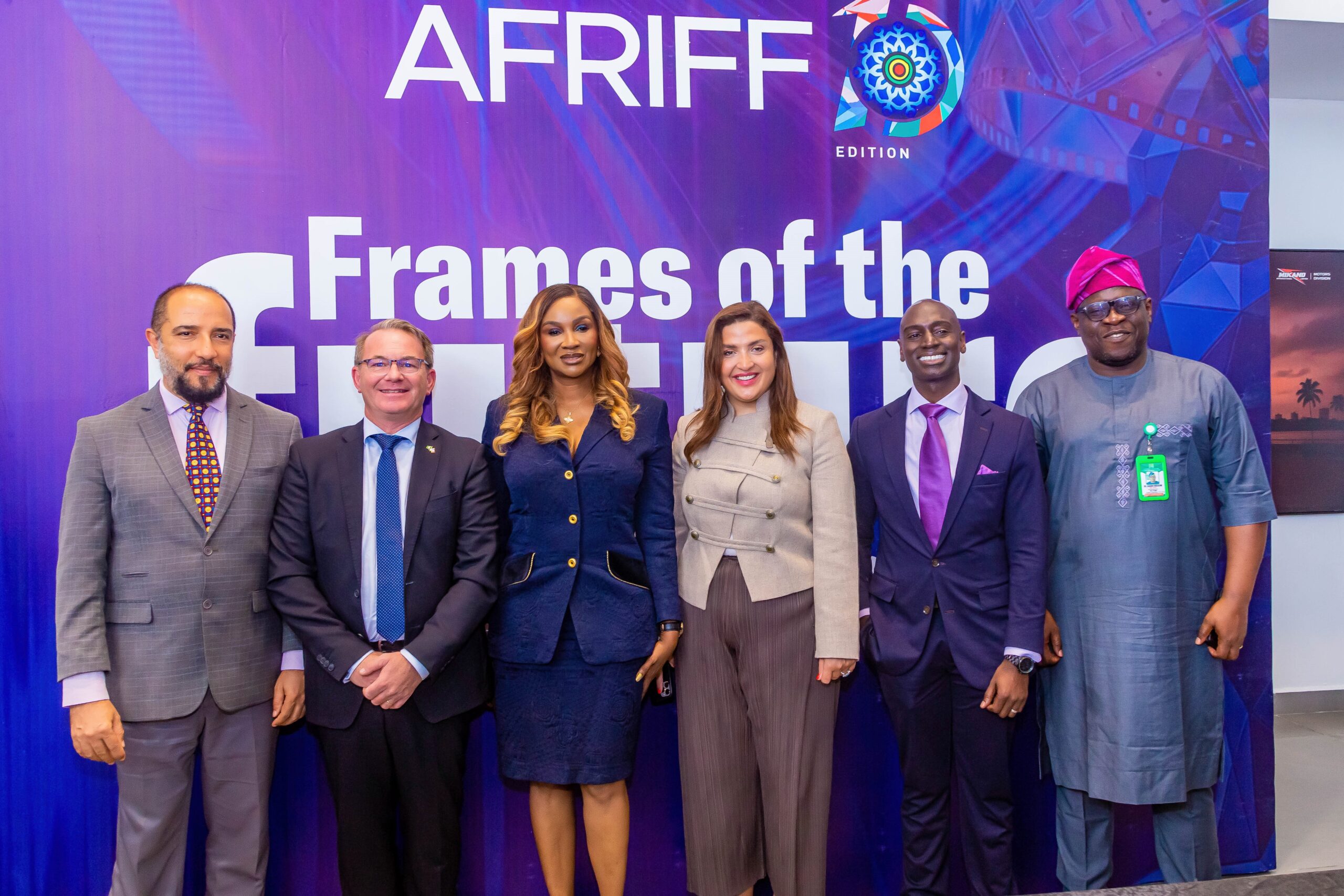
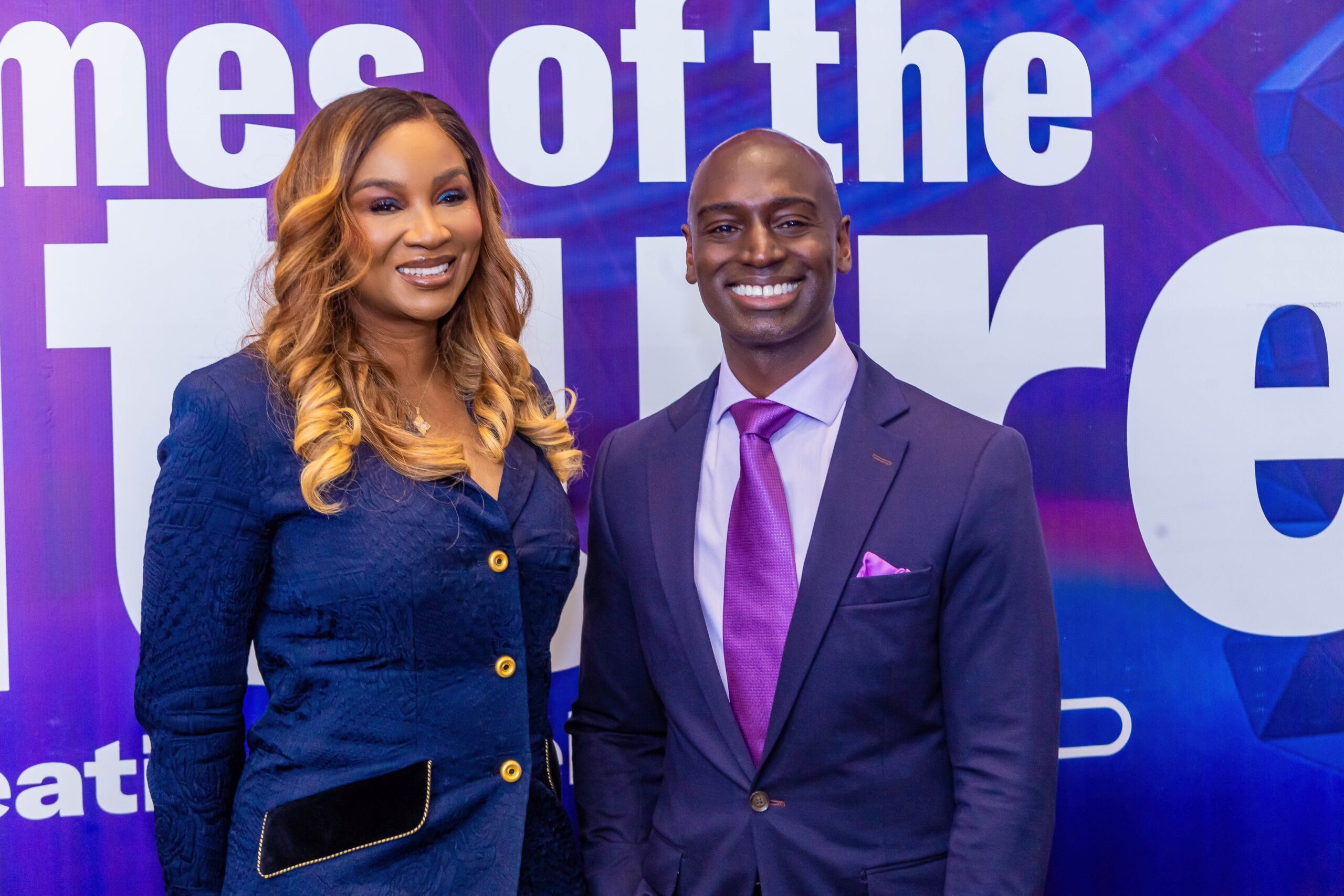
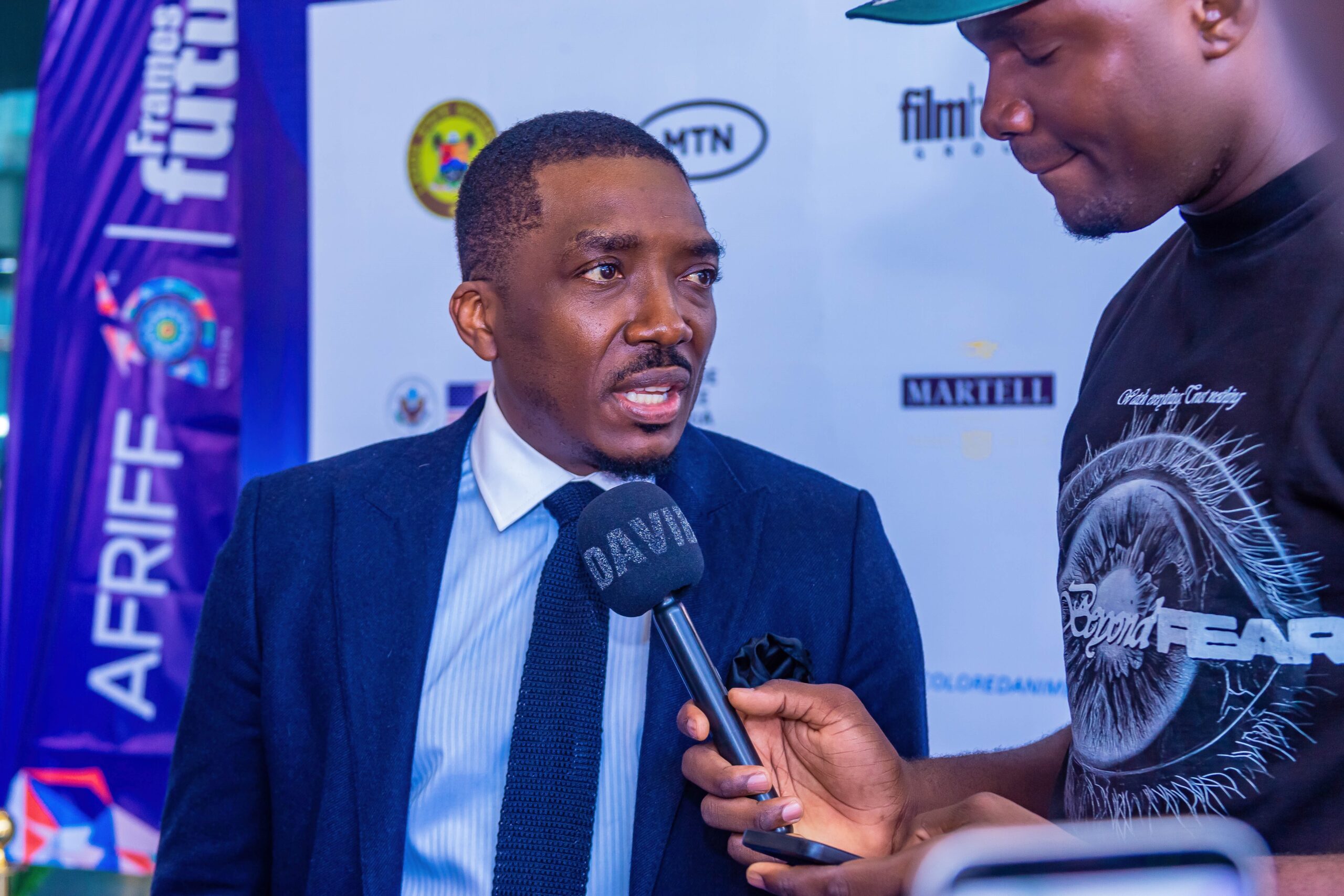
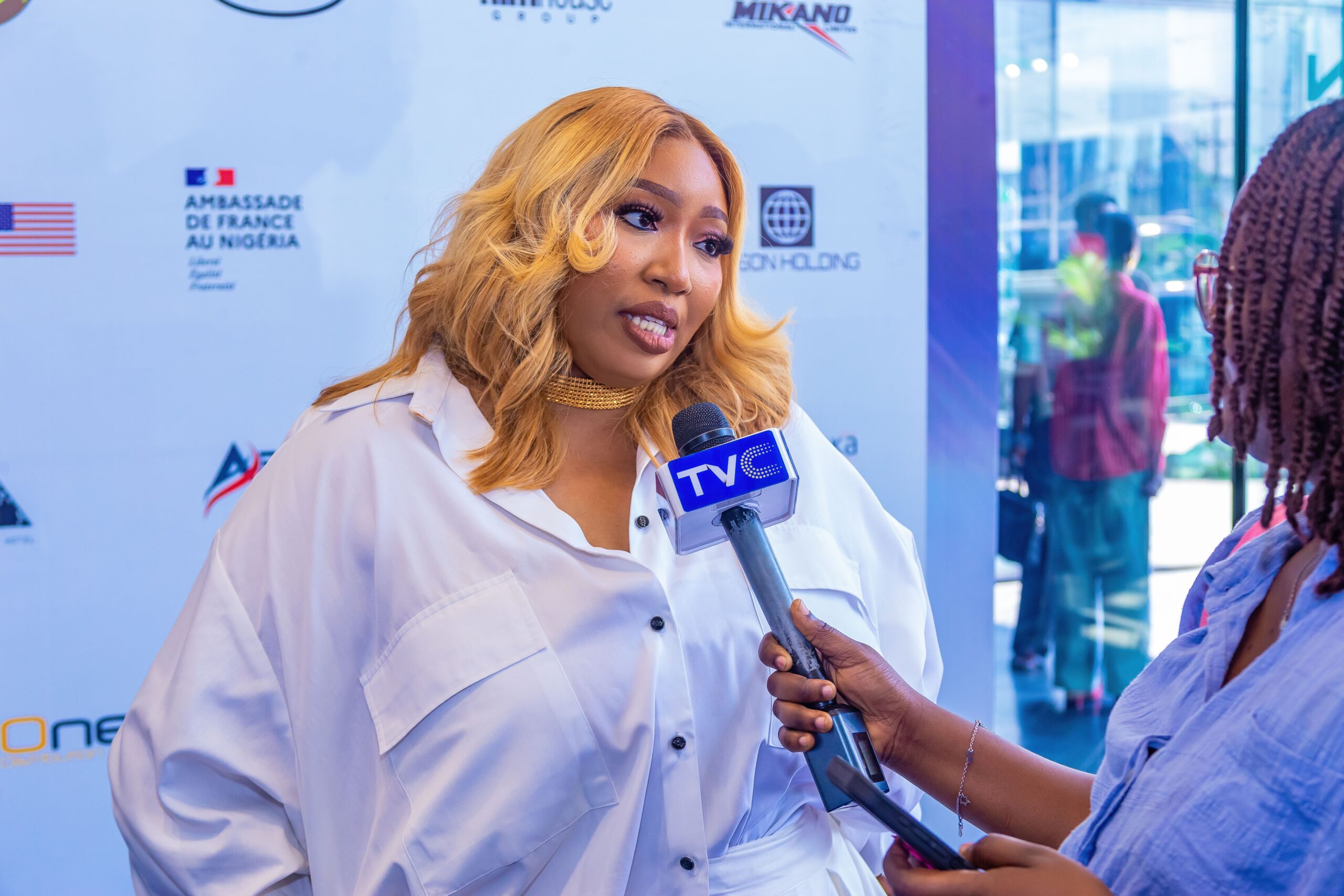
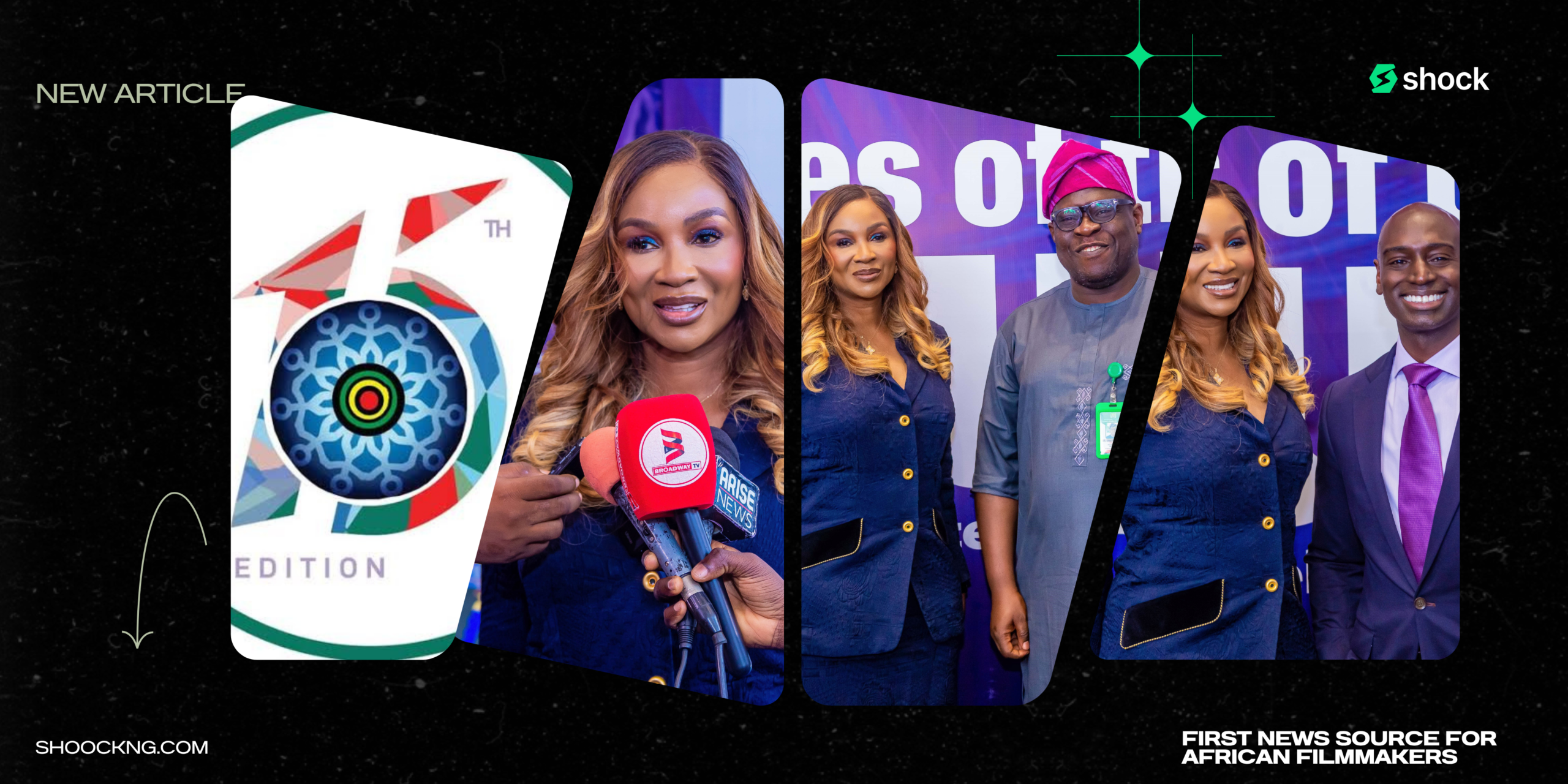
Moments Captured at the AFRIFF Press Conference
A Dynamic Official Selection
The 2026 official selection comprises 130 films that bring together diverse perspectives, filmmaking traditions and creative voices from across Africa and the international film community. The lineup spans feature films, documentaries, short films and other cinematic forms, offering audiences a wide exploration of contemporary storytelling, cultural identity and the ideas shaping cinema’s future. From emerging filmmakers to established voices, the selection continues AFRIFF’s commitment to discovering fresh talent, celebrating artistic excellence and providing a platform for stories that challenge perspectives, connect cultures and travel across borders. The full programme is available at https://afriff.com/program.
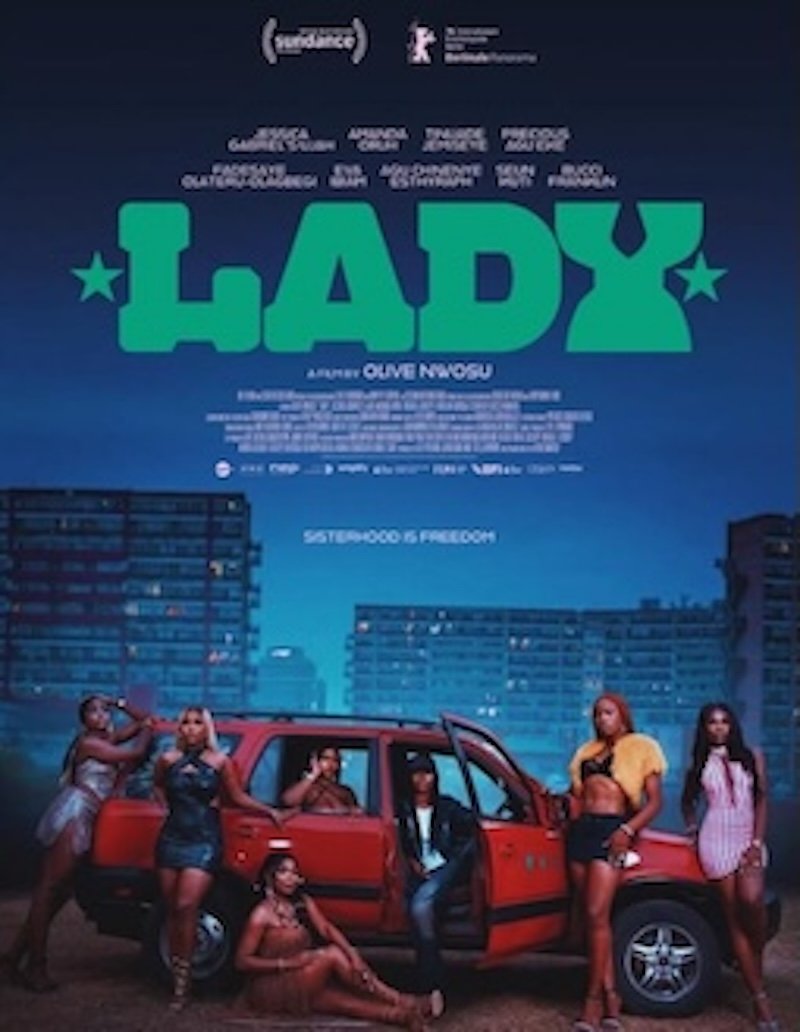
Opening Film: Lady, Directed by Olive Nwosu
AFRIFF 2026 opens with Lady, the feature debut of Nigerian filmmaker Olive Nwosu. Set against the vibrant and complex backdrop of Lagos, the film follows a young taxi driver who takes on the job of transporting a group of sex workers on their nightly rounds. Among them is a childhood friend she has not seen in years. As their journeys unfold, she confronts painful memories, personal prejudices, and the realities of the women whose lives intersect with hers. Blending social commentary with an intimate exploration of friendship, sisterhood, and resilience, Lady offers a portrait of women navigating life on their own terms in a rapidly changing city. Its selection as the opening feature sets the tone for a festival committed to bold storytelling and the capacity of African filmmakers to bring complex, distinctly local experiences to international audiences.
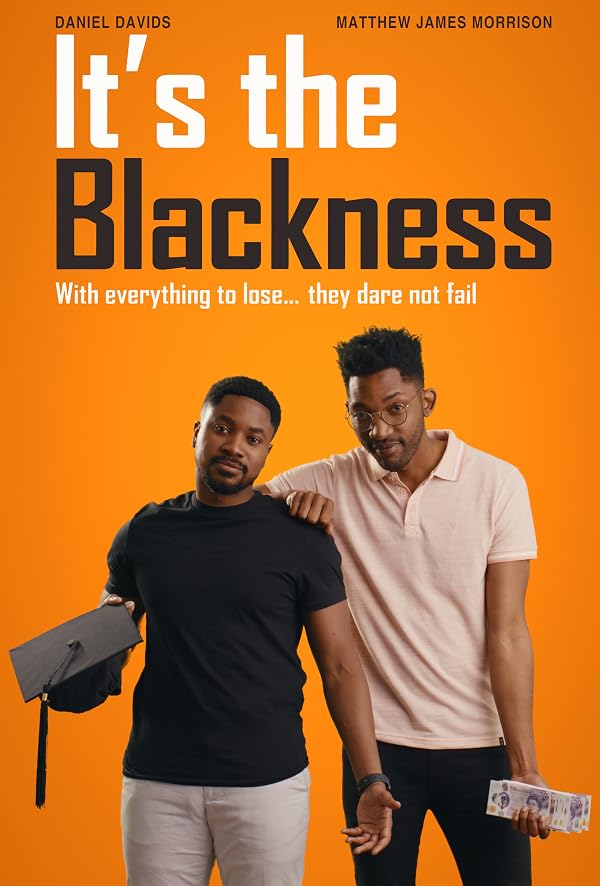
Closing Film: It’s the Blackness
Bringing the festival to a close is It’s the Blackness, the feature directorial debut of acclaimed actor Hakeem Kae-Kazim. The film is a black comedy-drama with elements of romance, following friends Eniola and Jordan as they navigate personal, family, and immigration challenges while trying to build a future for themselves. Produced by Dapo Oshiyemi, the film explores ambition, friendship, identity, and the determination to create opportunity in difficult circumstances. Its closing-night presentation provides a fitting conclusion to a festival examining the intersection of creative ambition, enterprise and the evolving realities of African and diasporic storytelling.
Special Presentations: Global Cinema, Distinguished Guests and Cross-Cultural Collaborations
Beyond the opening and closing films, the official selection includes a series of special screenings that reflect the festival’s international outlook and commitment to cinematic exchange. Through collaborations with diplomatic missions and the participation of distinguished filmmakers and screen personalities, the programme places African stories in conversation with perspectives from across the world.
A major highlight is Sentimental Value, the acclaimed Oscar-winning Norwegian film directed by Joachim Trier, presented in association with the Norwegian Embassy. Its inclusion underlines AFRIFF’s engagement with international cinematic excellence and cultural collaboration.
The programme also features The Traitor, directed by celebrated Italian filmmaker Marco Bellocchio and presented by the Italian Embassy, further strengthening the festival’s ties with international cinema and diplomatic cultural exchange.
AFRIFF 2026 special guest, American actress Danielle Brooks, appears in the special presentation of If I Go Will They Miss Me, directed by Walter Thompson-Hernández. The film explores childhood, family and imagination, adding another international dimension to this year’s selection.
Also featured is Calabash, a short film presented by the AFRIFF Guest of Honour, Hollywood actor Djimon Hounsou, highlighting the growing connections between African creative talent and the global film industry.
The special presentations also celebrate short-form storytelling. The Spectacular Death of Prisca, directed by Kaelo Iyizoba, follows a mother drawn into a surreal quest to rescue her daughter on her wedding day. Blending heightened melodrama with a playful homage to the visual style of classic Nollywood, the film reflects the continuing evolution of Nigerian cinematic expression. Another notable selection is A Tray of Locust Beans, a short film by veteran Nigerian actress and filmmaker Joke Silva’s Lufodo Productions, further demonstrating AFRIFF’s support for distinctive voices and diverse storytelling formats.
Together, these special presentations show the breadth of the 2026 programme: from acclaimed international cinema and diplomatic collaborations to emerging short-film voices and the participation of globally recognised creative personalities. They reinforce the festival’s role as a meeting point for cultures, ideas and creative industries.
Women at the Forefront of the Programme
A defining characteristic of AFRIFF 2026 is the prominence of female-centred coming-of-age narratives in the feature competition. Across the selection, strong female protagonists navigate questions of identity, family, belonging, ambition and personal transformation, offering nuanced perspectives on the experiences of women and girls in changing societies.
Chioma Ude remarked: “This year, thinking about the theme, ‘Frames of the Future’, I thought about the prevalence of AI and technology, and I was not sure what would become of film, but six days ago, after the programmers were done with selecting the titles for the films to be screened at AFRIFF this year, I noticed that 85% of the feature films were either directed by women, produced by women, or that the storyline is about a woman! So while we are here thinking of the future being about AI and technology, it is actually going to be about women!”
The prominence of these stories is matched by the creative vision of women filmmakers, whose work brings distinctive perspectives, bold narrative choices and fresh approaches to the screen. By placing female characters as complex, active agents in their own stories, the competition highlights the diversity of African experiences and the importance of expanding whose voices shape contemporary cinema. This emphasis reflects AFRIFF’s broader commitment to a film culture that welcomes new perspectives, nurtures emerging talent and recognises the creative leadership of women across the industry.
Beyond the Screen: The Africa Film & Content Market Returns
A major component of this year’s festival is the second edition of the Africa Film & Content Market (AFCM), running from 2 to 5 November 2026 in Lagos.
In Ude’s words: “AFCM was created because African creators need more than visibility. They need access to capital, buyers, distributors, partners and markets. This year, AFCM is focused on building the frameworks that allow African stories to be financed, licensed, distributed and sustained.”
Created to connect African and international producers, investors, distributors, broadcasters and streaming platforms, AFCM aims to strengthen the business infrastructure supporting African film and television. Under this year’s theme, AFCM will welcome delegations from over ten countries, including Kenya, South Africa, Ghana, Côte d’Ivoire, Cameroon, Sweden, France, Oman, the United States and Canada. Through industry sessions, market meetings, co-production opportunities and investment roundtables, AFCM will explore new pathways for financing, producing and distributing content. Participating companies include MTN, Dentsu, CNN, Filmhouse Group, Lamart and others.
The market will take place from 2 to 5 November 2026 at Twinwaters, Lekki, Lagos. AFCM’s programme moves beyond conversations about creative potential to practical opportunities for commercial growth, collaboration and international market access.
AFRIFF 2026 will also feature industry discussions, masterclasses, networking events and other engagements designed to equip filmmakers and creative professionals with the knowledge, relationships and tools needed to thrive in an increasingly competitive global marketplace.
Free Screening Tickets
This year, the Obi Adada Foundation has stepped in to cover the cost of screening tickets for all attendees, in keeping with AFRIFF’s commitment to allow young creatives, filmmakers across the continent, and festival-goers to watch the films free of charge.
About AFRIFF
Founded in 2010 by Chioma Ude, the Africa International Film Festival is an annual celebration of African and international cinema held in Lagos, Nigeria. Over 15 editions, AFRIFF has become a platform that brings together filmmakers, industry professionals, audiences, and global creative stakeholders to celebrate cinematic excellence, nurture emerging talent, and expand opportunities for African storytelling. Through its film programme, professional development initiatives, and industry marketplace, AFRIFF continues to champion African creativity while fostering connections between the continent’s film industry and the wider global entertainment business. The 15th edition takes place in Lagos from 1 to 7 November 2026.
In Summary
Seven days, 130 films, and a market full of buyers are set for Lagos from 1 to 7 November, with screenings costing attendees nothing. Check the programme at afriff.com/program, choose your films early, and be in the room when AFRIFF shows what African storytelling looks like next.
Thanks for Reading.
Shockng.com covers the big creators and players in the African film/TV industry and how they do business.
Let’s be friends on Instagram @Shockng