The Story⚡
Mo Abudu was born in London, a city with no home for her stories. So she built one. As streamers retreat from African storytelling, her new cinema opens its doors, asking a sharper question: do these films finally have a place that treats them as permanent?
Tell Me More
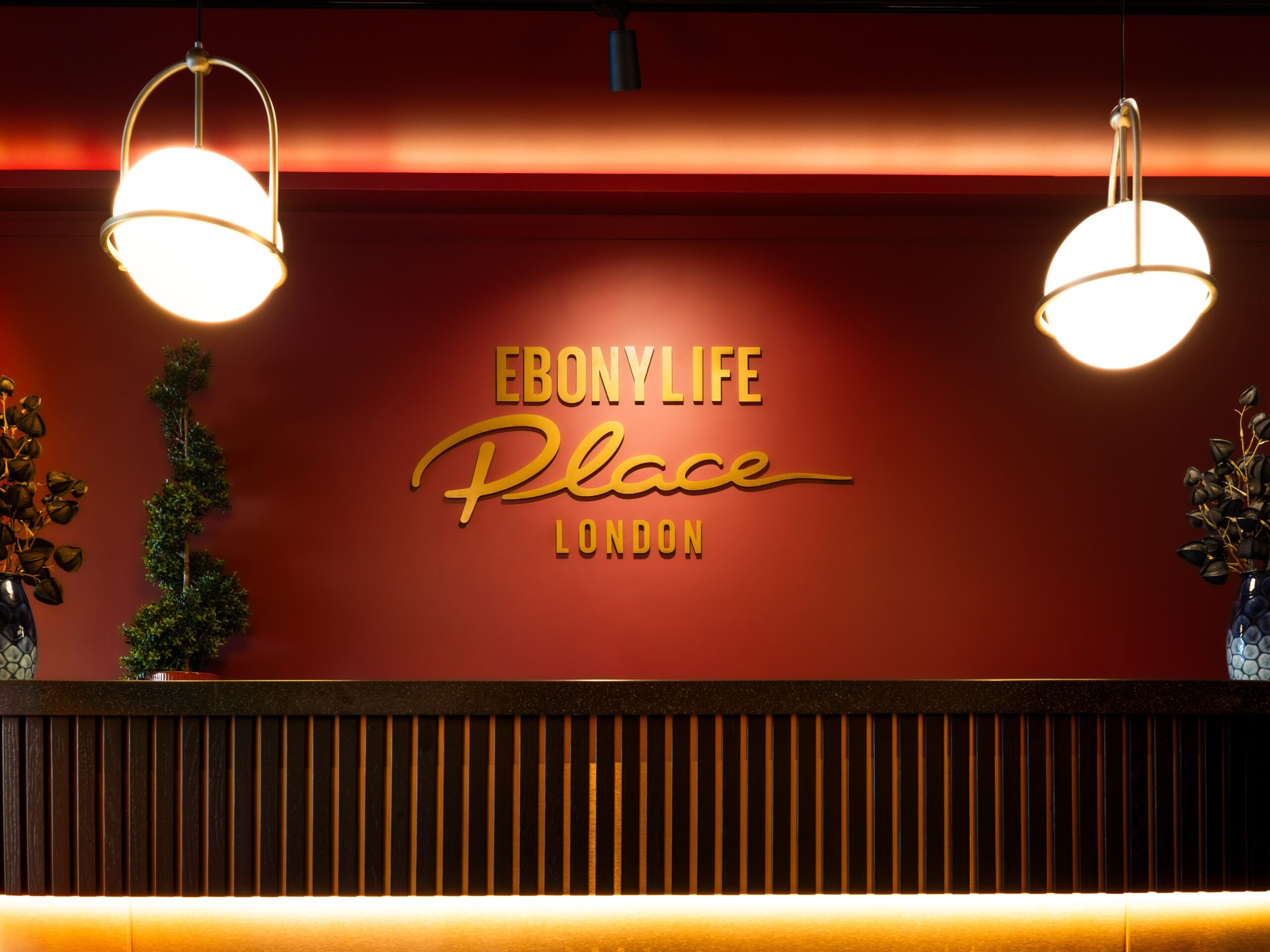
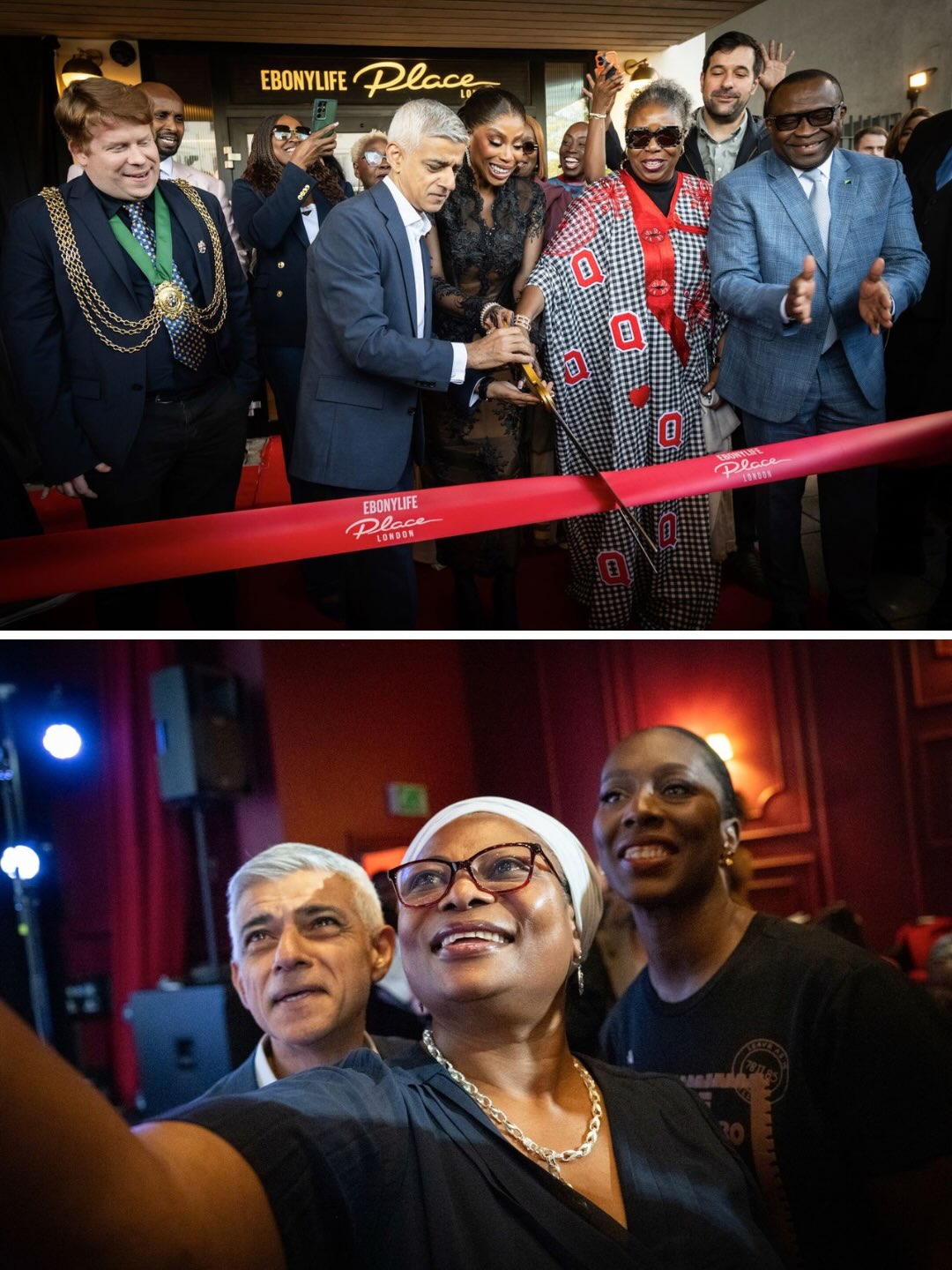
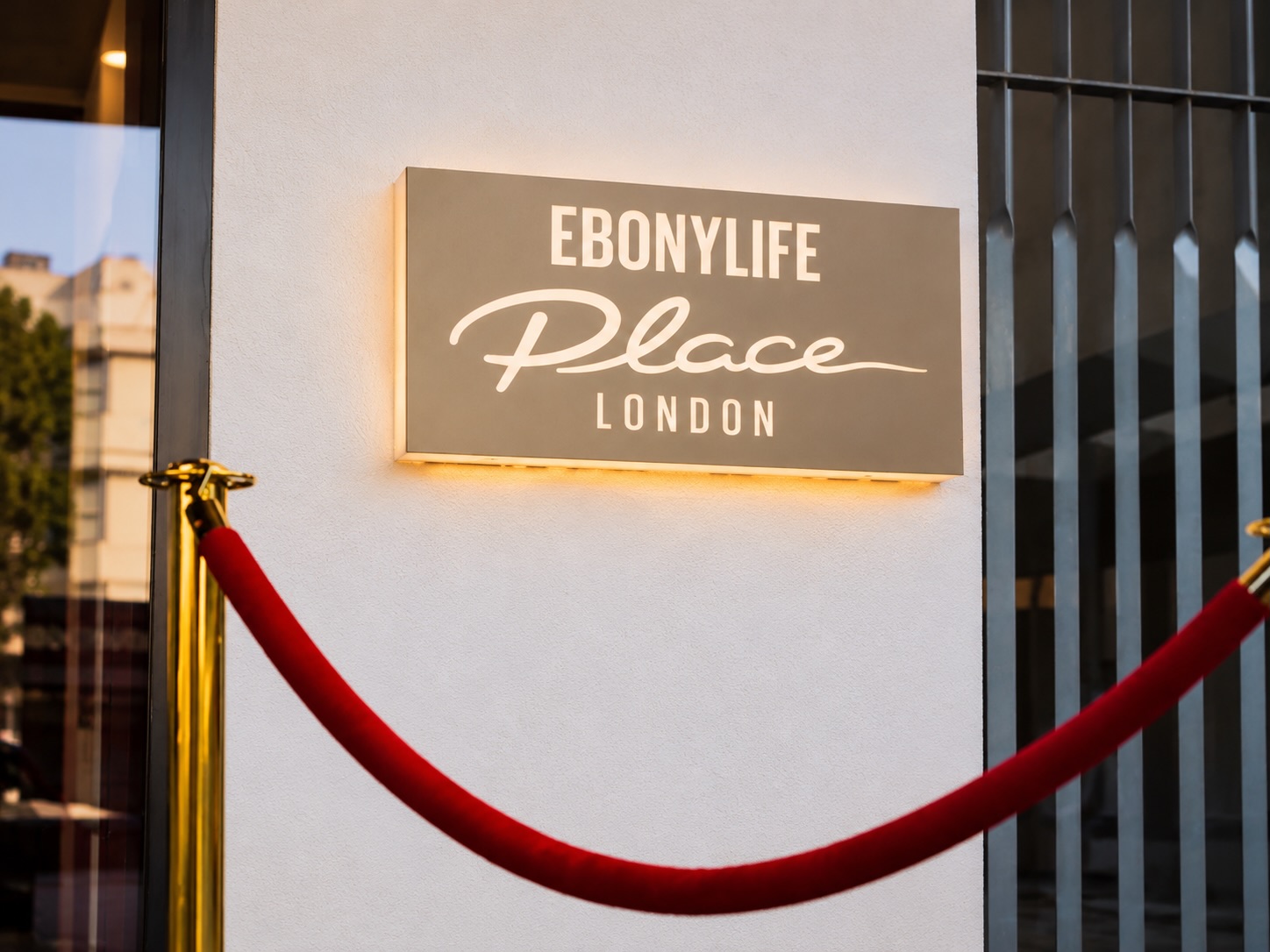
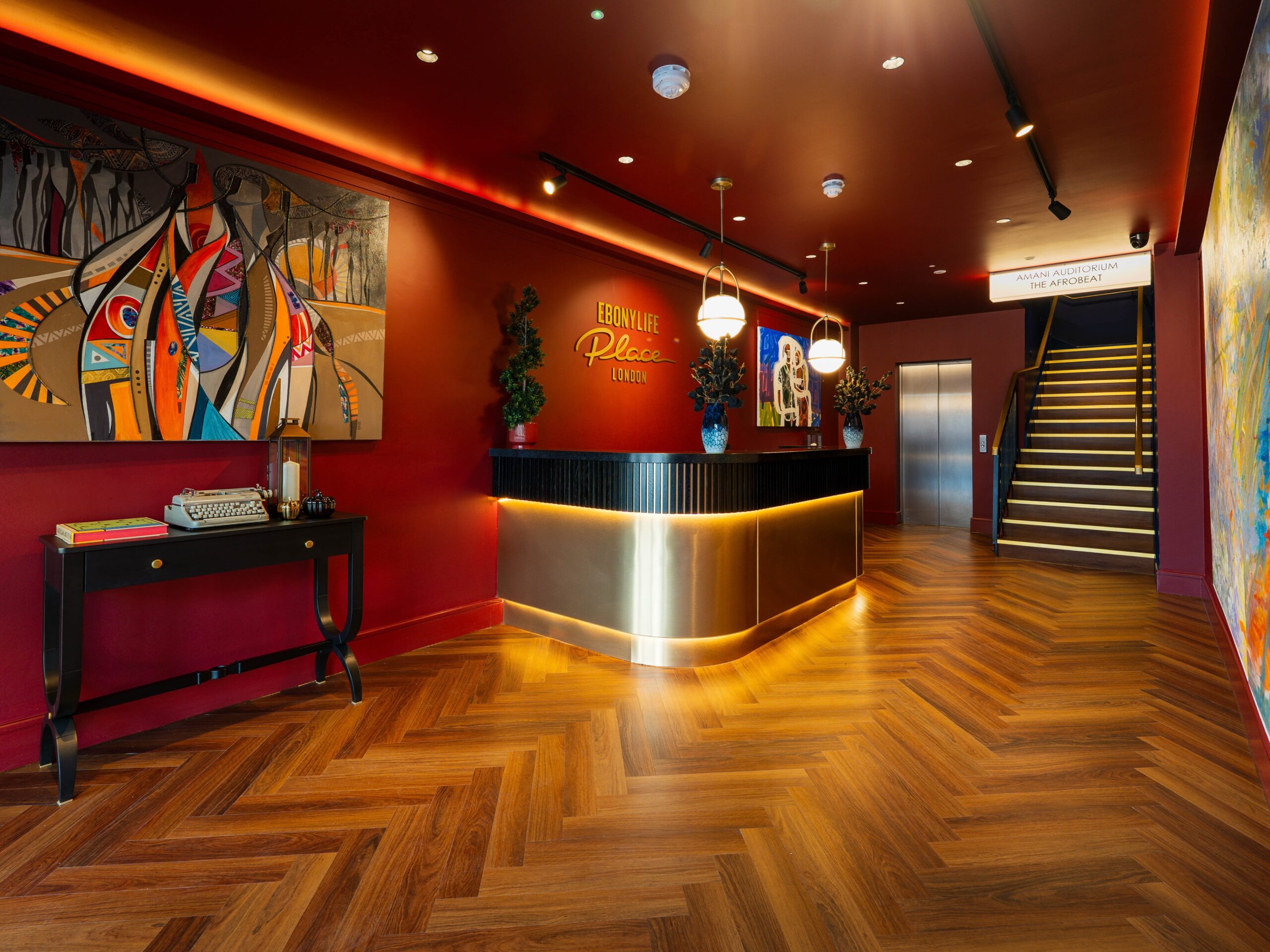
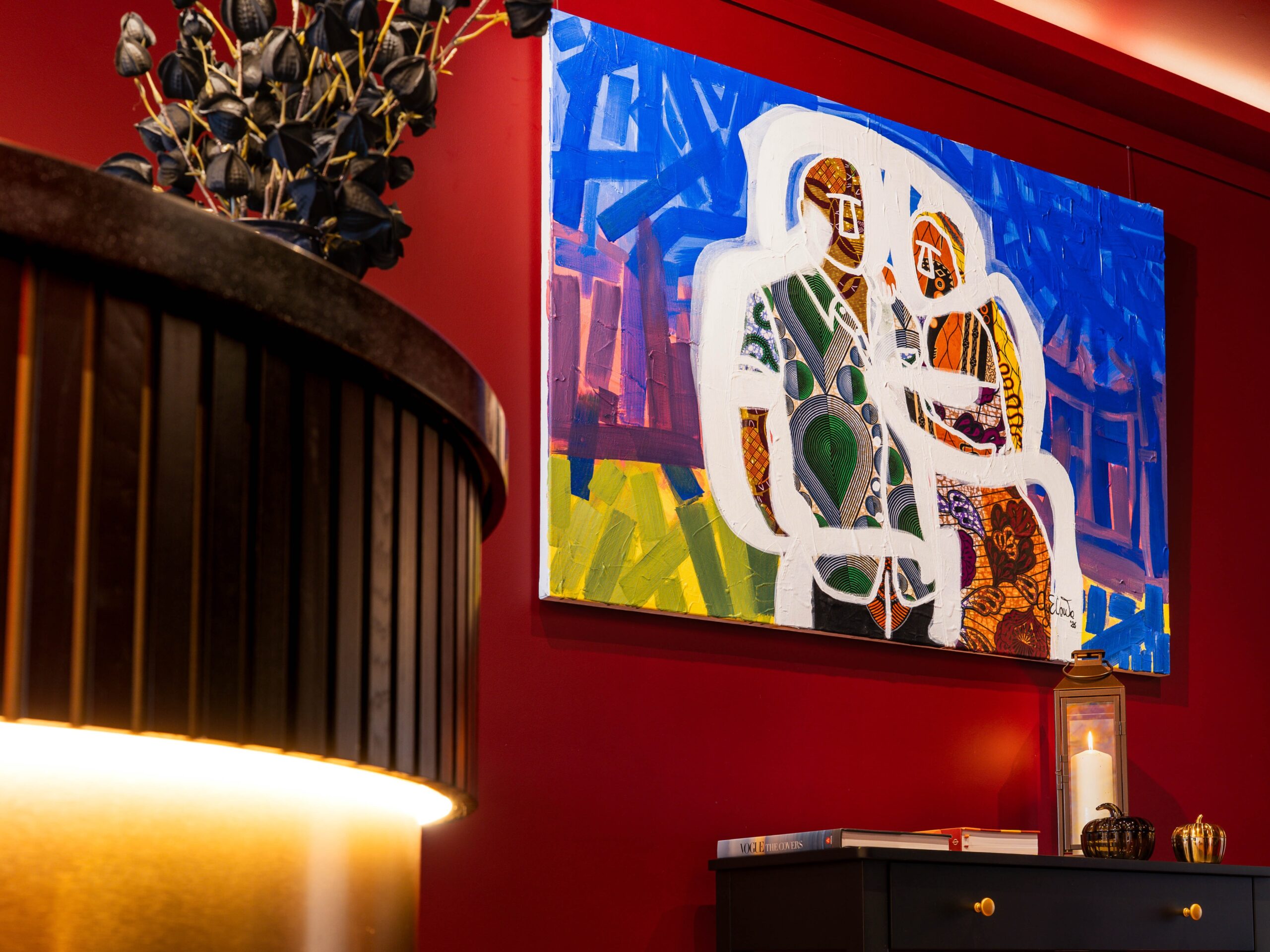
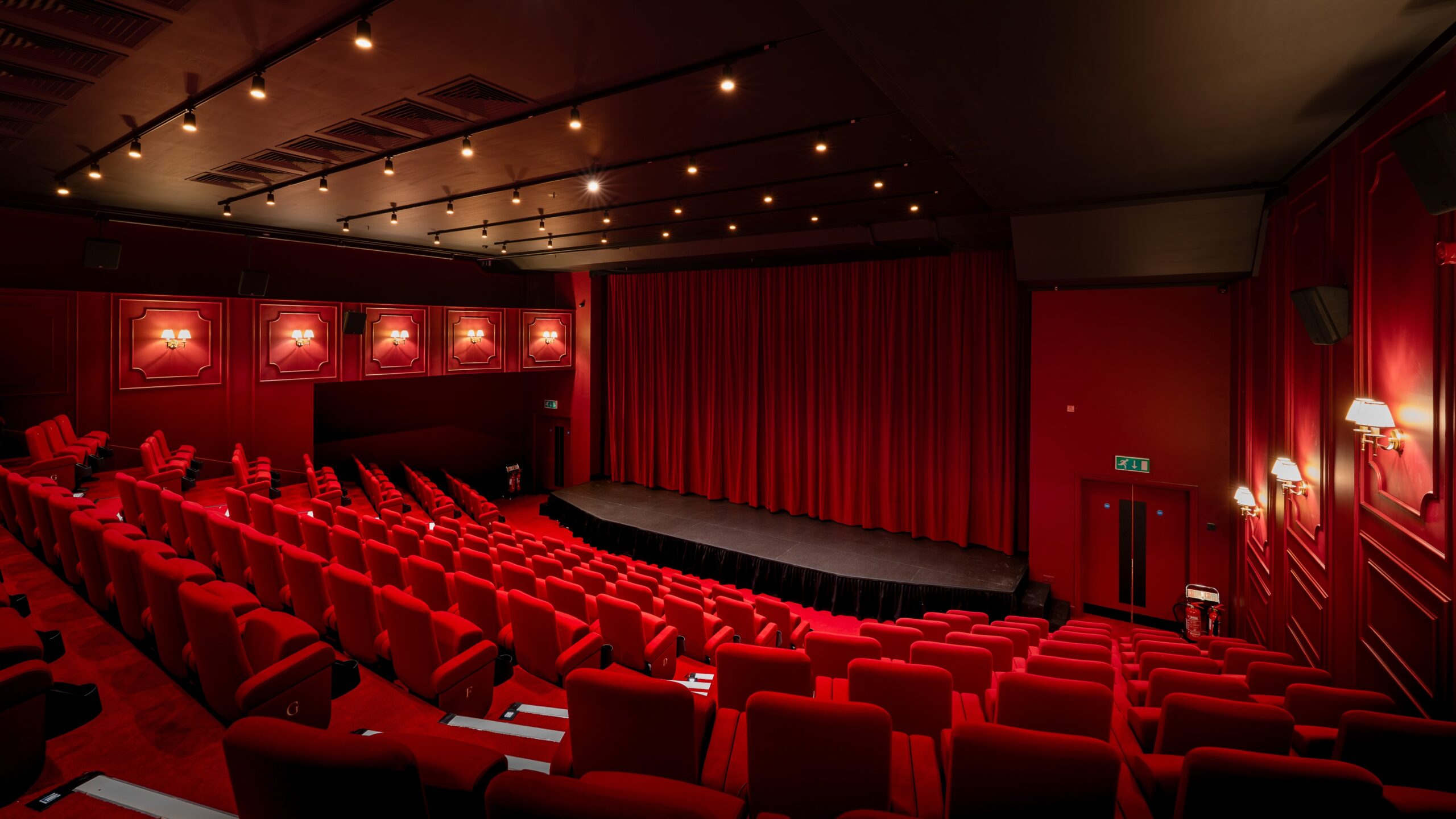
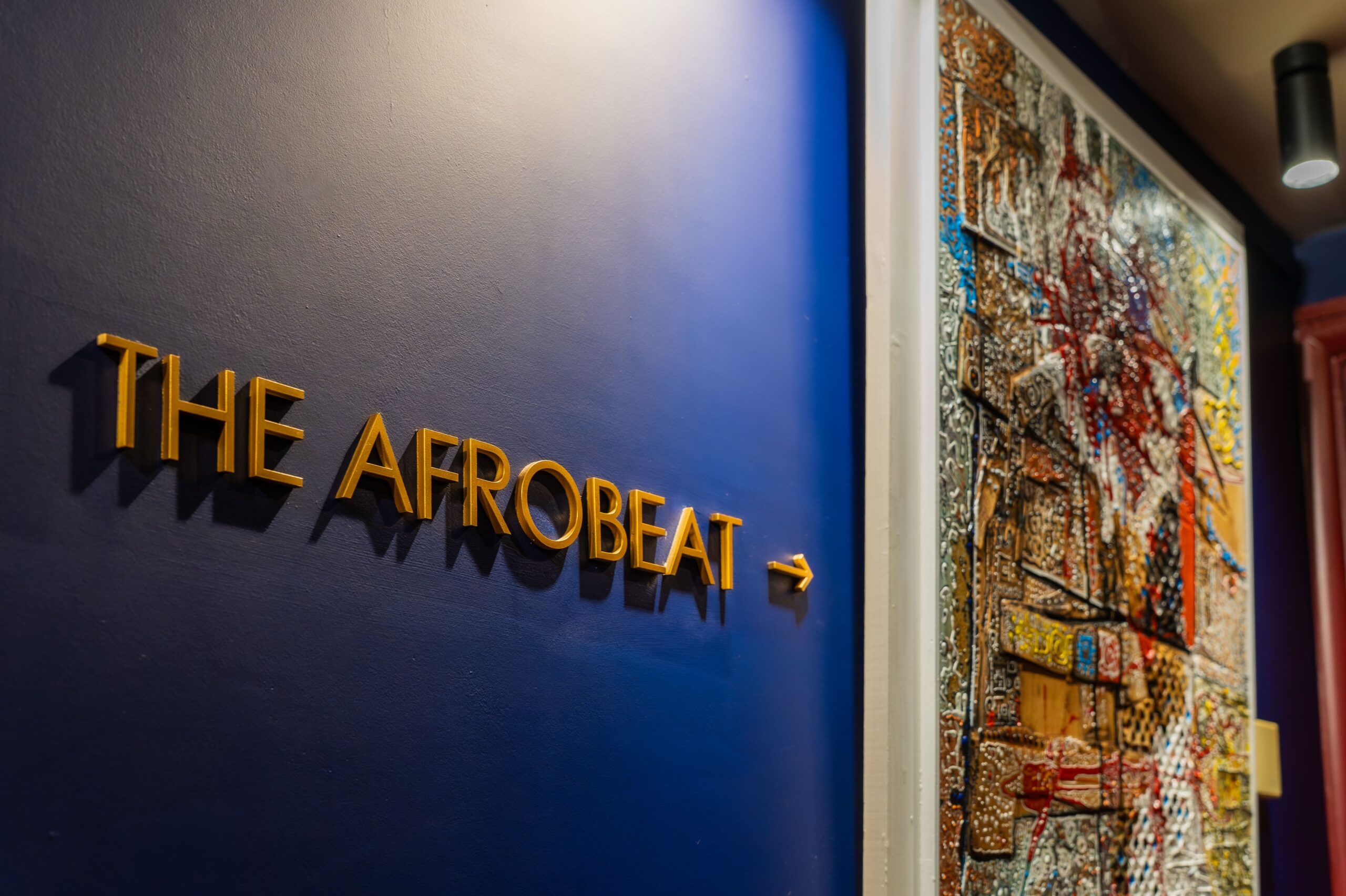
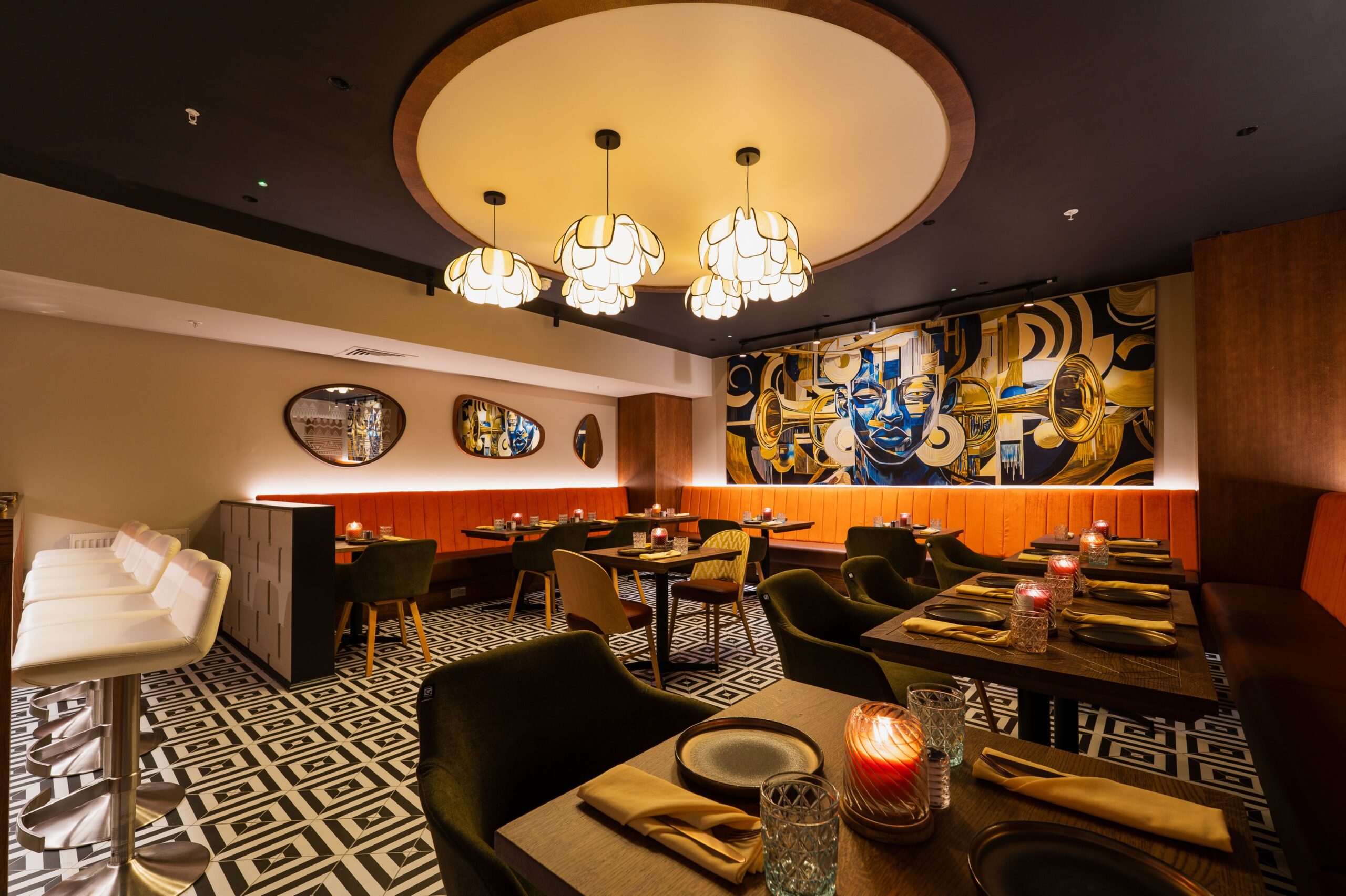
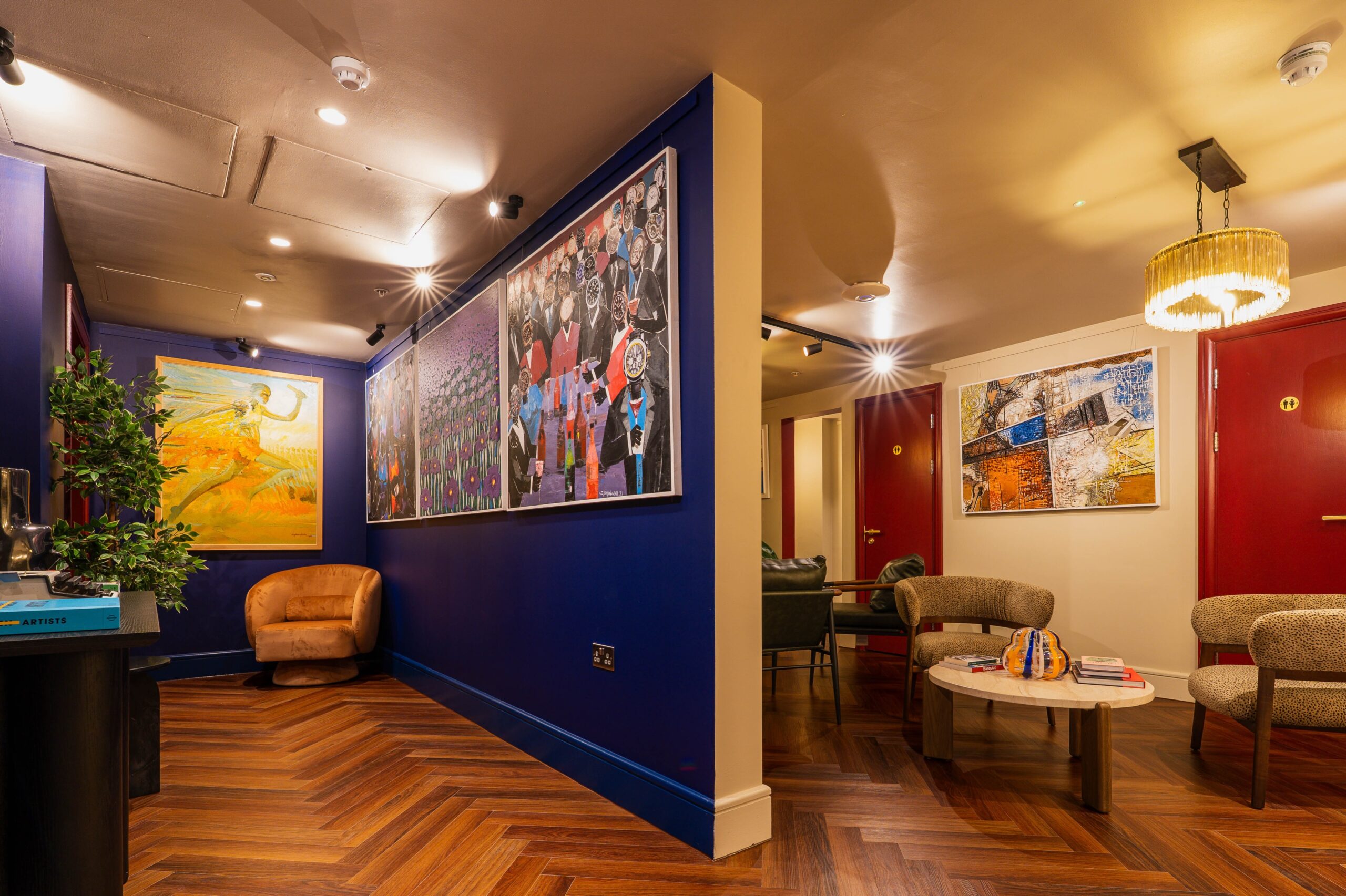
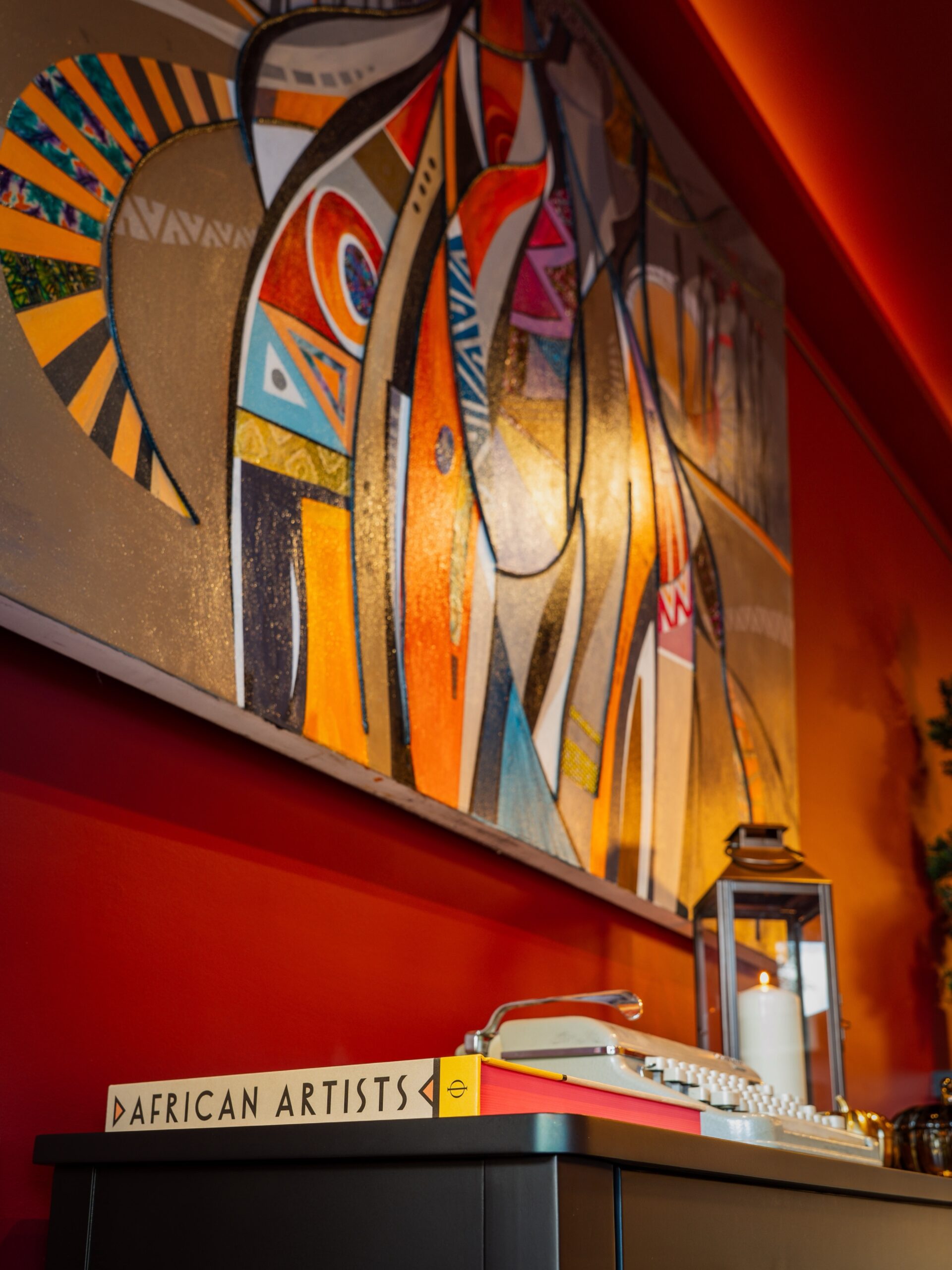
EbonyLife Place London opened on 8 October 2026 near Nine Elms on Wandsworth Road, with Mayor of London Sadiq Khan joining founder Mo Abudu for the ceremony. The multi-storey venue centres on the 160-seat Amani Auditorium, named for the Swahili word linked to peace and harmony, and extends into a Nigerian restaurant, the Fẹhinti Lounge (Yoruba for leaning back to rest), a bar, a boutique of African and diaspora designers, and walls of curated artwork.
Inside EbonyLife Place London: The Space and the Opening Moment
More Than a Screen
Abudu, born in London and raised partly in Nigeria, has described the project as growing from a clear gap: stories that lacked a consistent home in the United Kingdom. The programme will run year-round, leaning on Nollywood while embracing other films of the Black experience, alongside masterclasses, panels and live performances. The model echoes the lifestyle complex she opened in Lagos in 2019, financed largely by her own group.

The significance of a cultural location in London is practical as much as symbolic. London ranks among the world’s major film production centres and hosts one of Europe’s largest African and Caribbean diasporas. Until now, African and Black cinema in the city largely depended on festival slots, occasional special screenings or mainstream circuits that treated these films as events rather than ongoing conversation. A dedicated auditorium changes the rhythm. Premieres, regular programmes, industry gatherings and community viewings can happen on their own timetable. Audiences no longer need to wait for an external green light to see themselves reflected on screen.
The Gap the Streamers Left
The case for a physical home is stronger because the digital options have thinned. Prime Video paused new African original productions in 2024, and Showmax shut down in 2026 after Canal+ called it not a commercial success. Netflix is reported to have stopped commissioning Nigerian originals in favour of licensing deals. Meanwhile, theatrical exhibition has demonstrated renewed strength. Shared viewing, the darkened room, the event of going out: these elements retain a pull that on-demand convenience has not fully replaced.
For African storytelling, which has often travelled through festivals or limited digital windows, a dedicated London screen provides a reliable theatrical foothold in a major market. It supports longer cultural conversations and can help titles travel further through critical attention and word of mouth.
Abudu’s venue arrives at a moment when the industry is reassessing distribution paths. Ownership of exhibition capacity reduces dependence on external gatekeepers. It also creates a testing ground: films can find their audience in a controlled, culturally aligned environment before or alongside wider release. Over ten years, consistent programming can shape taste, develop talent pipelines and normalise the presence of these stories in the city’s cultural life.
What the Next Ten Years Could Look Like
Mo Abudu has long argued that African creatives must build their own platforms rather than wait for permission. EbonyLife Place London extends that principle into real estate. Control of the space means control of the calendar, the context and the surrounding experience. A film can be paired with a conversation, a meal, a performance or an exhibition. The story is no longer isolated; it sits inside a broader cultural setting that visitors can inhabit for an evening.
This matters for the next decade of storytelling. Physical venues create habits. Regular screenings build familiarity with directors, actors, and narratives that algorithms may surface only sporadically. Masterclasses and panels turn the building into a working hub where emerging talent meets established practitioners. In a city that already functions as a global creative magnet, a permanent African and Black cinema becomes both a destination for the diaspora and an entry point for wider audiences.
Building Continuity Across Continents
The London site does not stand alone. It continues a line from Lagos and sits alongside Abudu’s other initiatives in production, funding and distribution. The physical space in a global capital supplies visibility and legitimacy that digital reach alone sometimes struggles to secure. For filmmakers, designers, chefs and musicians, it offers a meeting point. For audiences, it removes the need to search for rare screenings.
Representation, Abudu has noted, remains essential. Younger viewers seek strong storytelling; the absence of regular venues limited how often that storytelling could be encountered. A permanent address begins to correct that. The next decade will test whether such spaces can sustain themselves through programming quality, community engagement, and commercial viability. The opening itself establishes the foundation: a room designed for the stories rather than one that occasionally accommodates them.
In Summary
EbonyLife Place London gives African and Black cinema a lasting address in the city, turning occasional screenings into sustained presence through regular programmes and shared theatrical experience.
Mo Abudu now brings The Secret Lives of Baba Segi’s Wives to cinemas this December. The London venue provides a dedicated screen and cultural setting that can extend the film’s run and build audience connection in the UK, while existing partnerships expand its reach in Nigeria.
With strong source material, festival exposure and this controlled theatrical foothold, the infrastructure positions the film for both commercial performance and lasting cultural impact.
Thanks for Reading.
Shockng.com covers the big creators and players in the African film/TV industry and how they do business.
Let’s be friends on Instagram @Shockng