The Story⚡
A director who started at the bottom of every prediction list ended up taking home five AMVCAs with a film that reached Cannes and represented the UK at the Oscars.
Tell Me More
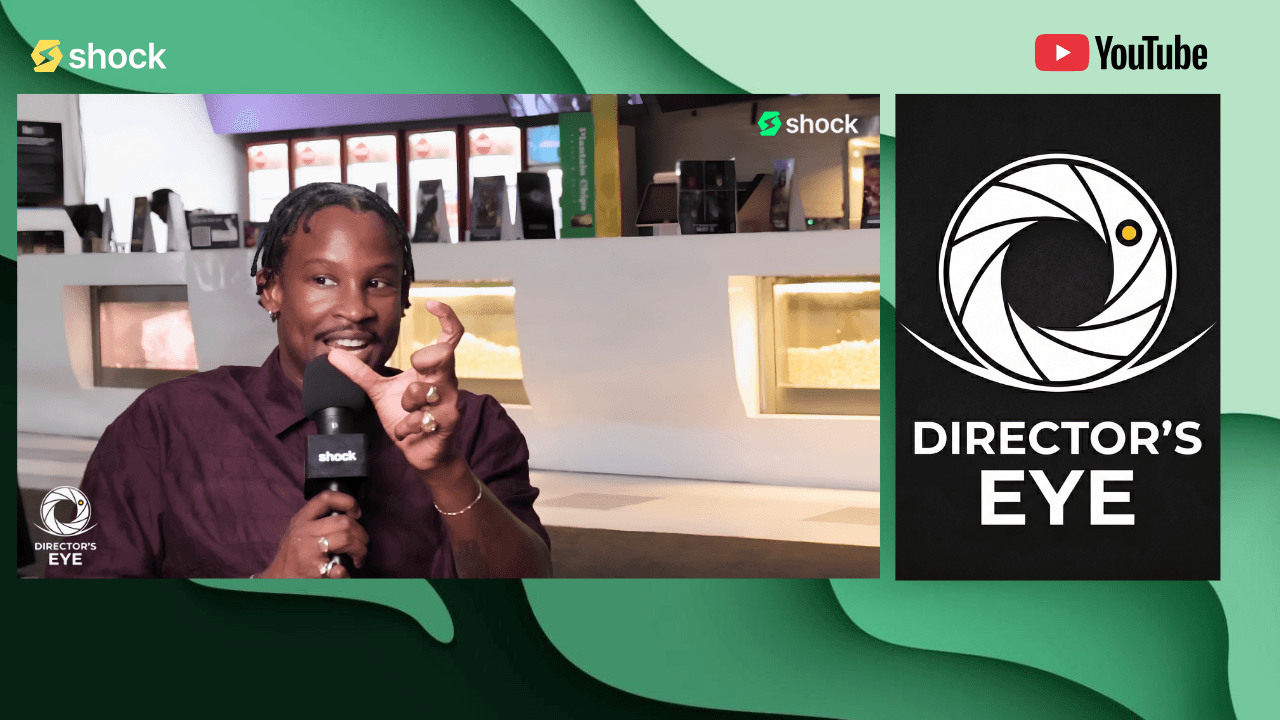
In an in-depth conversation on Shock Africa’s Director’s Eye, BAFTA-winning director Akinola Davies Jr. shares the full journey behind his feature debut My Father’s Shadow, a semi-autobiographical drama co-written with his brother Wale Davies. Set on June 12, 1993, the day of Nigeria’s annulled presidential election, the film follows two young brothers from a rural home as they spend a rare day in Lagos with their estranged father, capturing childhood wonder, family absence, and a nation on the brink of political change through a child’s perspective.
Davies discusses the recent re-release of the film in Lagos cinemas, explaining that the initial theatrical run in September 2025 was too short for many local audiences to experience it, especially before its major award wins. He expresses genuine gratitude for the opportunity to bring it back home and connect directly with Nigerian viewers and industry peers.
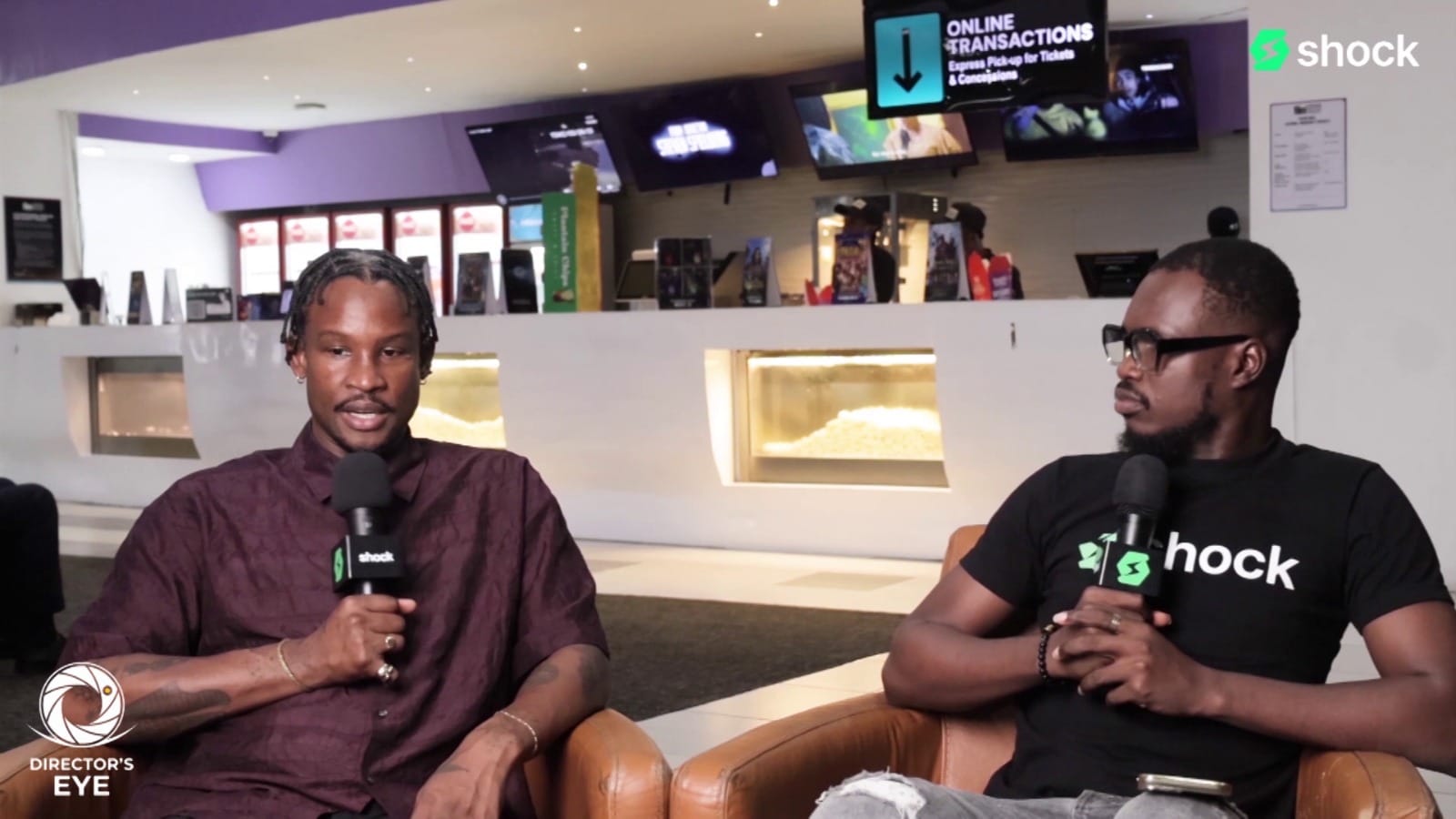
On his path to directing, Davies recounts growing up with Tales by Moonlight, Bollywood musicals, telenovelas, and Spielberg classics like E.T. and Jaws. Over time, his tastes shifted toward quieter, more introspective cinema focused on emotional depth, strong cinematography, and subtle storytelling. Largely self-taught, he gained experience assisting directors in the UK before a pivotal realization during early shoots in Nigeria: these were the stories he needed to tell. He emphasizes surrounding himself with passionate collaborators, many of whom are of Nigerian descent or have strong ties to the culture, who contribute their artistic voices to the project.
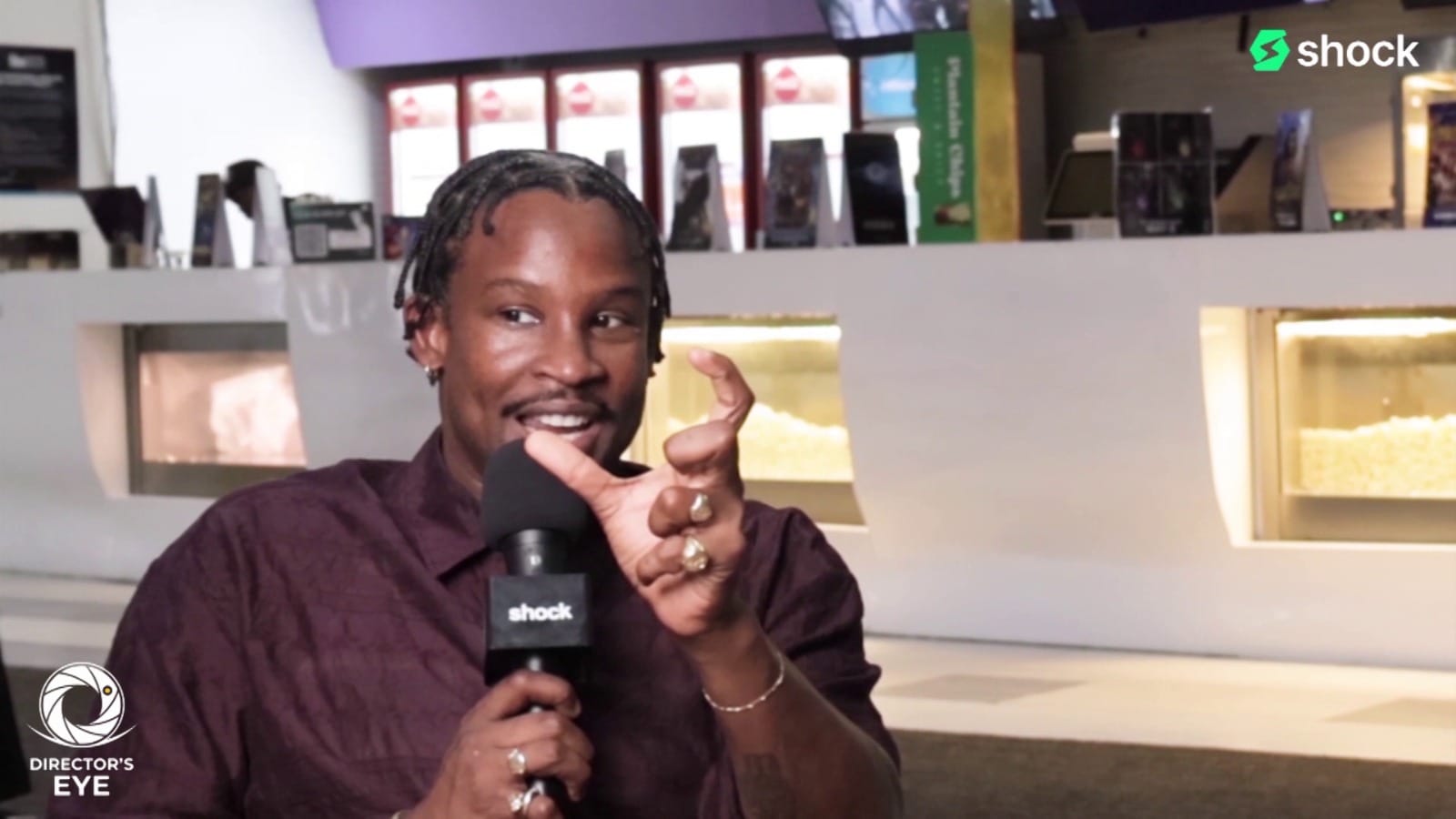
The six-week shoot on the Lagos mainland brought practical challenges but also advantages. With a budget that stretched much further in Nigeria than it would have in the UK, the team built detailed period sets, including the film’s largest one, constructed entirely from scratch for the memorable whale scene. This resourceful approach helped the production meet the high technical standards required for a UK Oscar submission while staying true to its Nigerian heart.
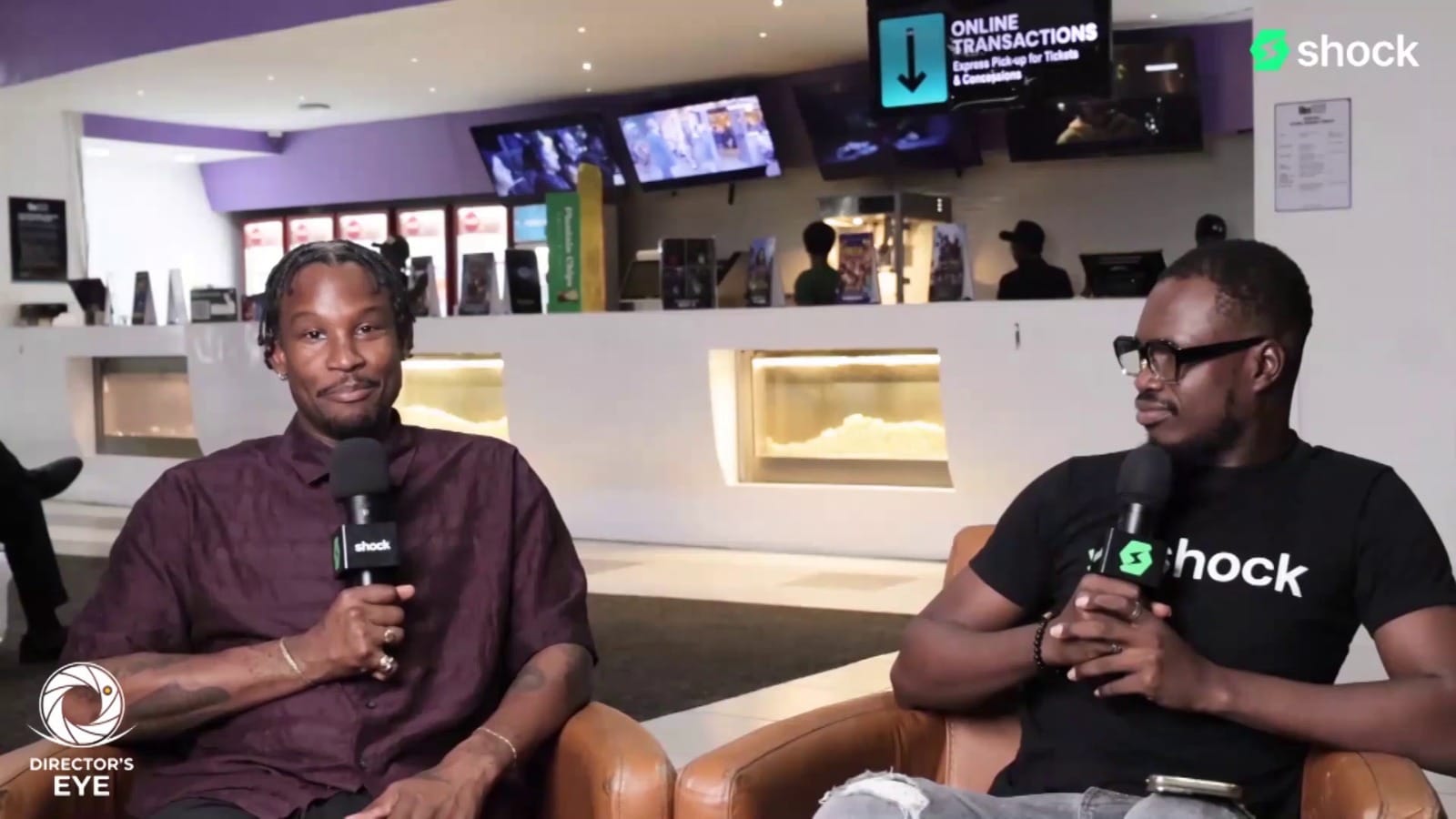
Davies opens up about the AMVCA experience with candor and humility. The film was at the bottom of most pre-ceremony predictions, yet it won five awards, including major categories. He reflects on varied Nigerian social media reactions and the initial surprise among audiences, while firmly stating that the storytelling remains 100% Nigerian. The team worked hard to increase local access to the film following its international acclaim.
A key part of the discussion covers the film’s historic run: it became the first Nigerian production selected for Cannes’ official selection (Un Certain Regard), earning a Caméra d’Or Special Mention, before being chosen as the UK’s official entry for the Academy Awards rather than Nigeria’s. Davies explains the realities behind that decision and why Nigerian financiers initially passed on the project. He addresses what this reveals about support for arthouse cinema in Nollywood, as well as his hopes for the industry’s future.
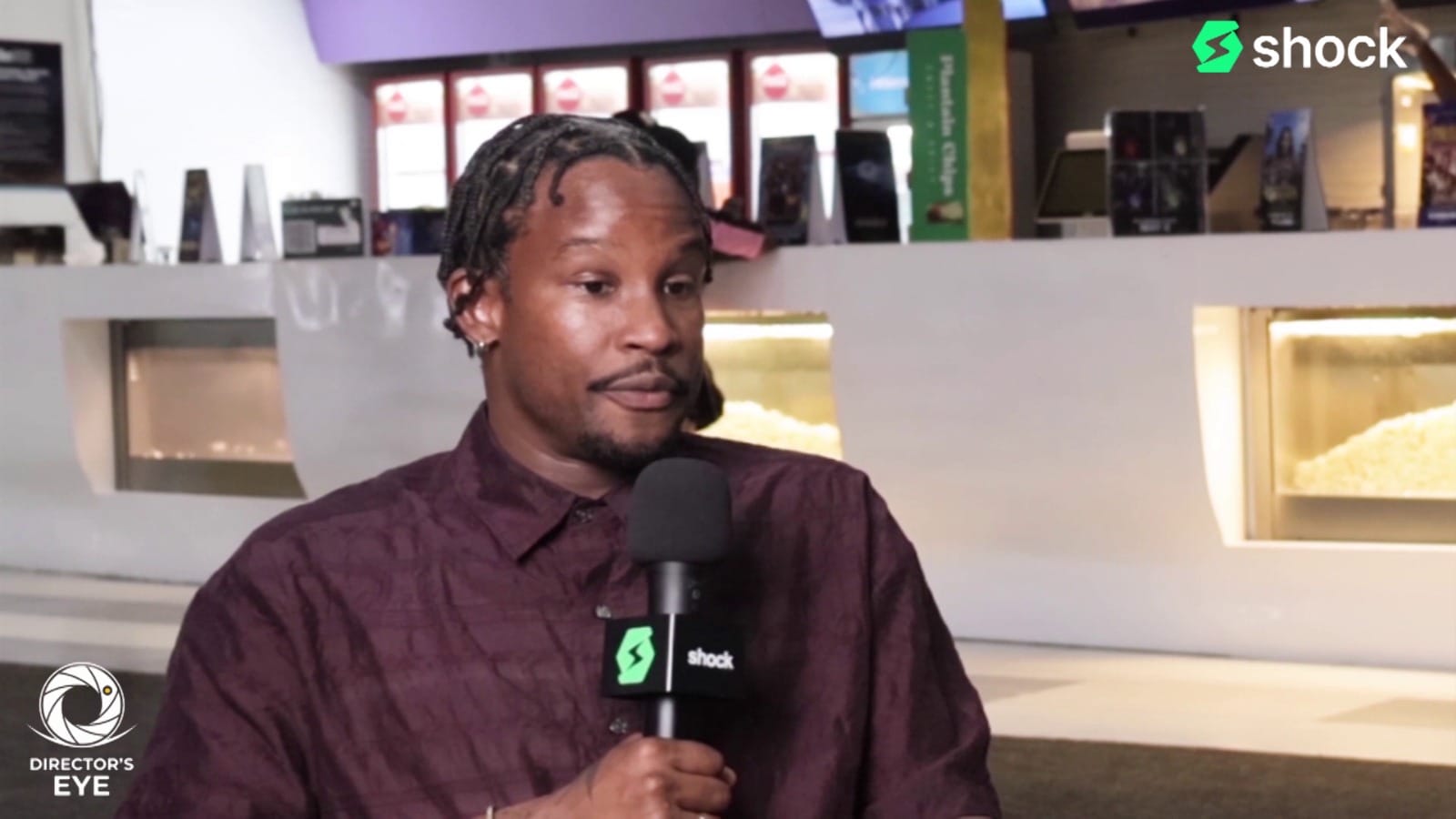
Throughout the interview, Davies contrasts the Nigerian and British film industries in terms of resources, working styles, and opportunities. He expresses a strong belief that Nigerian cinema has the potential to achieve global cultural impact on the level of Afrobeats. He offers practical insights for African filmmakers on co-productions, what to know, how to navigate them—and stresses the importance of prioritizing African audiences, including through online platforms. The conversation also touches on his next project and creating pathways for new Nigerian talent.
Davies credits the entire cast and crew for the film’s authenticity and success, highlighting a collective sense of ownership. He describes his approach as focusing on honest work that people can connect with and be proud of, allowing audience and industry responses to shape its path forward.
Watch Full Interview Here
About Shock Africa
Shock Africa is the first news source dedicated to African filmmakers. It covers the business of storytelling, Nollywood, African cinema, box office updates, cast announcements, industry trends, and the intersection of film with streaming platforms. Through its platforms (including YouTube and Instagram), Shock Africa delivers timely news, interviews, and analysis for filmmakers and audiences across the continent.
About Director’s Eye
Director’s Eye is a monthly interview series by Shock Africa, the leading news source for African filmmakers. The program features in-depth conversations with directors, creatives, and industry professionals, exploring their craft, challenges, successes, and visions for the future of African cinema. It serves as a platform to highlight African storytelling, share practical insights, and connect filmmakers with wider audiences.
In Summary
This interview provides honest reflections on unexpected success, industry realities, and the personal craft behind a landmark film. It offers practical lessons on production, co-productions, and building Nigerian cinema’s global voice. Watch the full Director’s Eye episode on Shock Africa to hear Davies discuss the AMVCA surprises, the whale set, and what comes next.
Thanks for Reading.
Shockng.com covers the big creators and players in the African film/TV industry and how they do business.
Let’s be friends on Instagram @Shockafrica