The Story⚡
Linda Ejiofor arrived at the 22nd AMAA with two AMVCA trophies already this year and left Lagos with a third. Three Nigerian films, The Herd, To Adaego With Love and The Creek, also took awards home.
Tell Me More
The 22nd Africa Movie Academy Awards (AMAA) took place on Sunday, 15 November 2026, at the Lagos Marriott Hotel in Ikeja. The night saw winners in 26 categories, including features, shorts, documentaries, animation, diaspora films, and technical crafts. The nominees were announced on 17 October 2026, with Uganda’s Slum Bomber and One Woman, One Bra leading with 14 nominations each, followed by To Adaego With Love on 11.
The results did not follow the nomination count. One Woman, One Bra, a Kenyan-Nigerian co-production, won Best Film, Best Debut Feature Film by a Director and Best Film in an African Language. Still, none of its 14 nominations in acting or technical categories converted. Colours of Exile, from Côte d’Ivoire, won four of its ten nominations to become the most-awarded film of the night. Reports put Nigeria’s total at eight wins, with The Herd taking three of them. Slum Bomber converted one of its 14 nominations. The diaspora categories went to Cross Roads, Nashville Soul and Montmartre.
Here is every category, the winner, and who they beat.
Best Film – One Woman, One Bra (Kenya)
The Kenyan-Nigerian film, directed by Vincho Nchogu, took the night’s top honour after a festival run that included its world premiere at the Venice International Film Festival and the Sutherland Award at the BFI London Film Festival.
Other nominees:
The Trek (South Africa)
To Adaego With Love (Nigeria)
The Fisherman (Ghana)
Colours of Exile (Côte d’Ivoire)
Slum Bomber (Uganda)
The Herd (Nigeria)
Ben Made It (South Africa)
Mabanda (Cameroon)

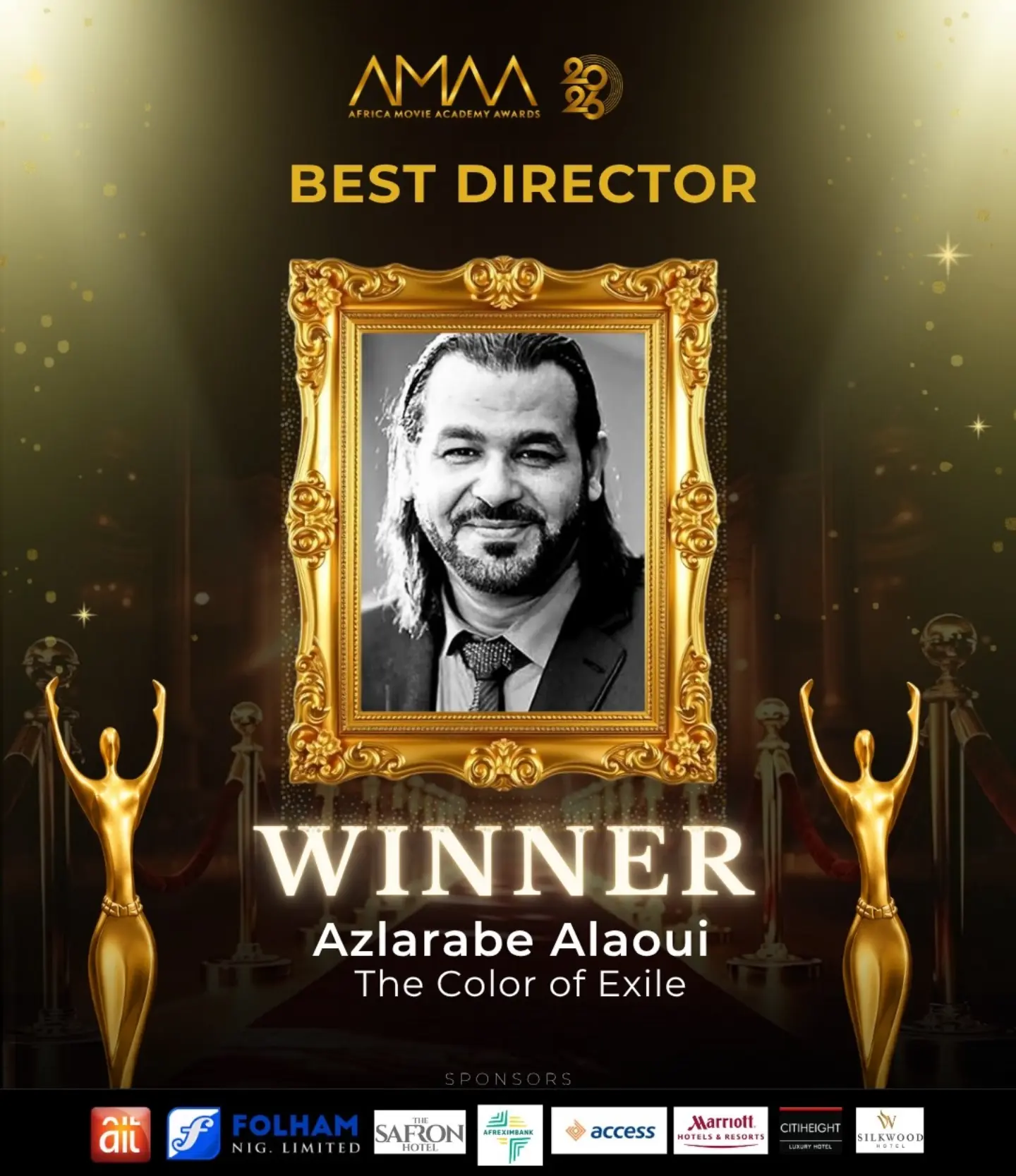
Best Director – Azlarabe Alaoui (Colours of Exile)
The Moroccan filmmaker directed a co-production between Côte d’Ivoire, France and Morocco, set between Senegal and Morocco.
Other nominees:
Meekaaeel Adam (The Trek)
Nwamaka Chikezie (To Adaego With Love)
Maureen Nankya (Slum Bomber)
Vincho Nchogu (One Woman, One Bra)
Daniel Etim Effiong (The Herd)
Pheello Makosholo (Ben Made It)
Kang Quintus (Mabanda)
Zoey Martinson (The Fisherman)
Best Debut Feature Film by a Director – Vincho Nchogu (One Woman, One Bra)
Nchogu’s first feature collected a second award for its director on the same night.
Other nominees:
Daniel Etim Effiong (The Herd)
Maureen Jolly Nankya (Slum Bomber)
Meekaaeel Adam (The Trek)
Zoey Martinson (The Fisherman)
Angela Zivo Gapa (Ru$ambo)
Pheello Makosholo (Ben Made It)
Nwamaka Chikezie (To Adaego With Love)
Mohamed Ahmed (A Tribe Called Love)
Chinazaekpere Chukwu (Her Daughters’ Mother)

Best Actor in a Leading Role – Wale Ojo (Lights Out)
Ojo’s win was the only award Lights Out collected from its two nominations.
Other nominees:
Maurice Carpede (The Trek)
Daniel Etim Effiong (The Herd)
Ricky Adelayitar (The Fisherman)
Uzor Arukwe (Colours of Fire)
Marcus Mabusela (Ben Made It)
Abdoulaziz Sall (Colours of Exile)
Kang Quintus (Mabanda)

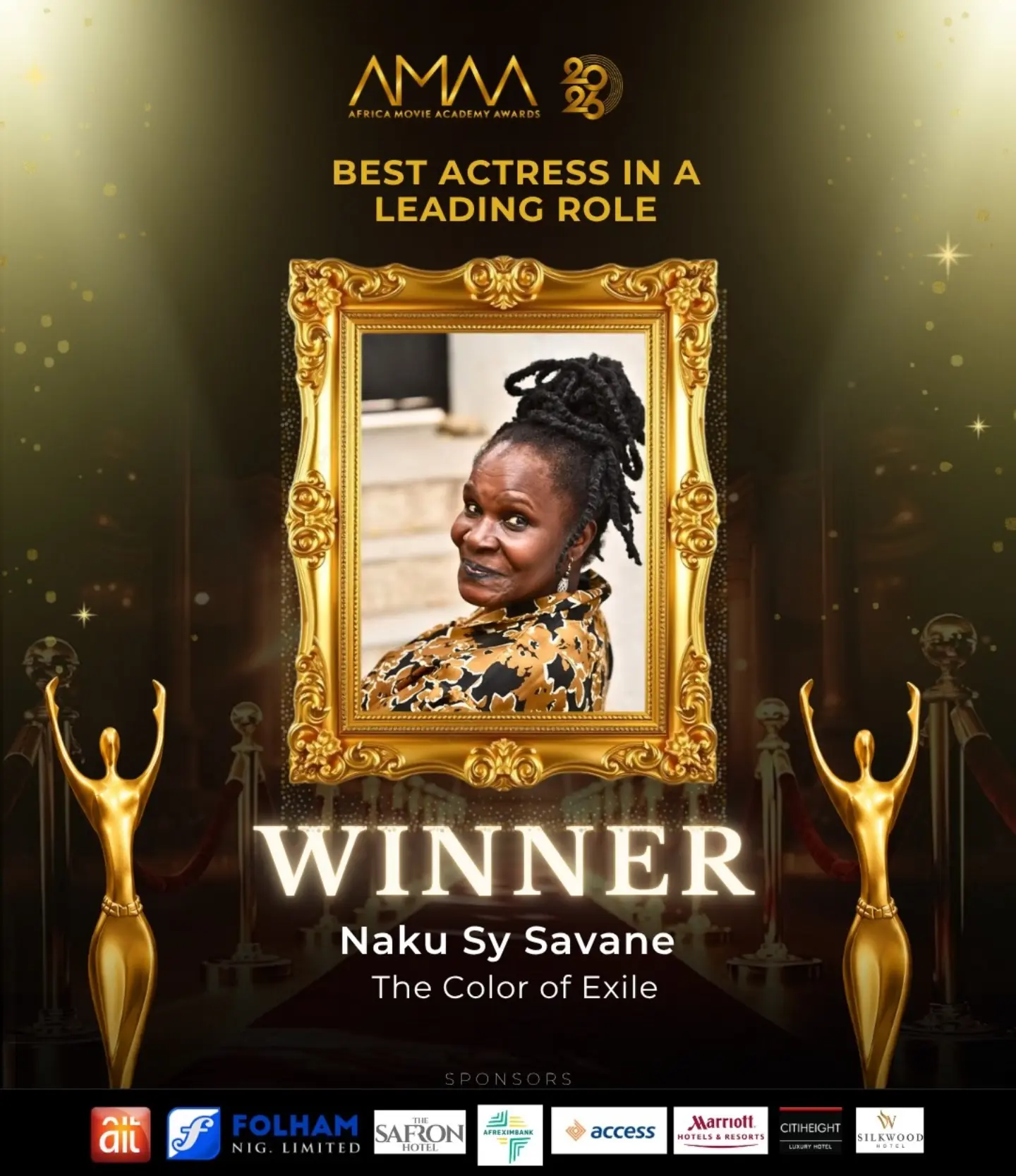
Best Actress in a Leading Role – Naky Sy Savane (Colours of Exile)
Savane’s win was one of four for the Ivorian film.
Other nominees:
Chisom Agoawuike (To Adaego With Love)
Sarah Karei (One Woman, One Bra)
Deborah Nyasha Kabongo (Ru$ambo)
Faithia Balogun (Efunroye: The Unicorn)
Jackline Nafula (Slum Bomber)
Osas Ighodaro (Colours of Fire)
Toyin Abraham (Oversabi Aunty)
Best Actor in a Supporting Role – Samuel Kabugo (Slum Bomber)
Kabugo’s award was the only one Slum Bomber took home from its 14 nominations.
Other nominees:
Amos Leuka (One Woman, One Bra)
Dele Odule (Ìwé Alá: An Ojúde Oba Story)
Femi Branch (Colours of Fire)
Bucci Franklin (The Creek)
Bob-Manuel Udokwu (To Adaego With Love)

Best Actress in a Supporting Role – Linda Ejiofor (The Herd)
The win extends a run for Ejiofor, who earlier this year took both the lead and supporting actress awards at the AMVCA; the supporting one is also for The Herd.
Other nominees:
Norng’aruani Kipuker (One Woman, One Bra)
Precious Nana (Mabanda)
Mercy Aigbe (Colours of Fire)
Zahra Elhawawi (Colours of Exile)
Omowunmi Dada (Evi)
Phumzile Kubheka (Ben Made It)
Patience Ozokwor (Onobiren: A Woman’s Story)

Best Young/Promising Actor – Dailma Mendes (Hanami)
Mendes, who played Young Nana, won for a film representing Switzerland, Portugal, and Cape Verde.
Other nominees:
Muntaha Mohammed (A Tribe Called Love)
Abdou Aziz Dabak Salis (Colours of Exile)
James Solomon Damilare (Suky)
Osas Okonyon (Evi)
Leah Lindeque (The Trek)
Onyinye Odokoro (Oblation)
Rickman Manrick (Slum Bomber)
Azania Thella (Ben Made It)
Gbubemi Ejeye (Idia)

Ousmane Sembène Award for Best Film in an African Language – One Woman, One Bra (Kenya)
This was the third of the film’s three wins.
Other nominees:
Slum Bomber (Uganda)
Ìwé Alá: An Ojúde Oba Story (Nigeria)
Mabanda (Cameroon)
Ben Made It (South Africa)
Efunroye: The Unicorn (Nigeria)

NFVCB Award for Best Nigerian Film – To Adaego With Love
The film also won Achievement in Screenplay, after earlier wins at AFRIFF 2025 for Best Feature Film and Best Screenplay.
Other nominees:
Ìwé Alá: An Ojúde Oba Story
Colours of Fire
Suky
Efunroye: The Unicorn
The Herd
Cordelia
The Creek
Oversabi Aunty

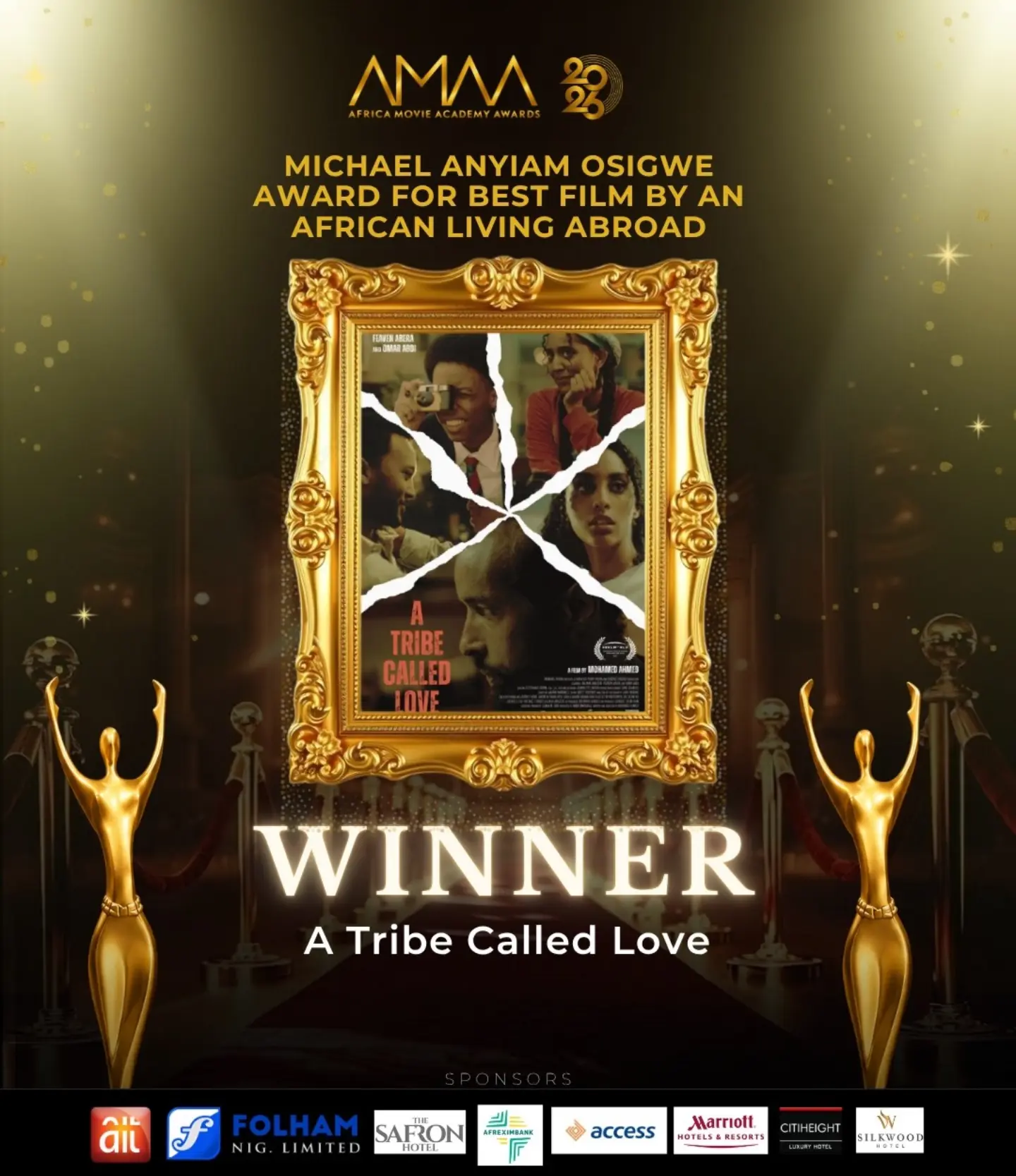
Michael Anyiam-Osigwe Award for Best Film by an African Living Abroad – A Tribe Called Love
The award is reserved for films made by Africans based outside the continent.
Other nominees:
Hanami
The Man Who Never Was
Boys Wear Pink Too
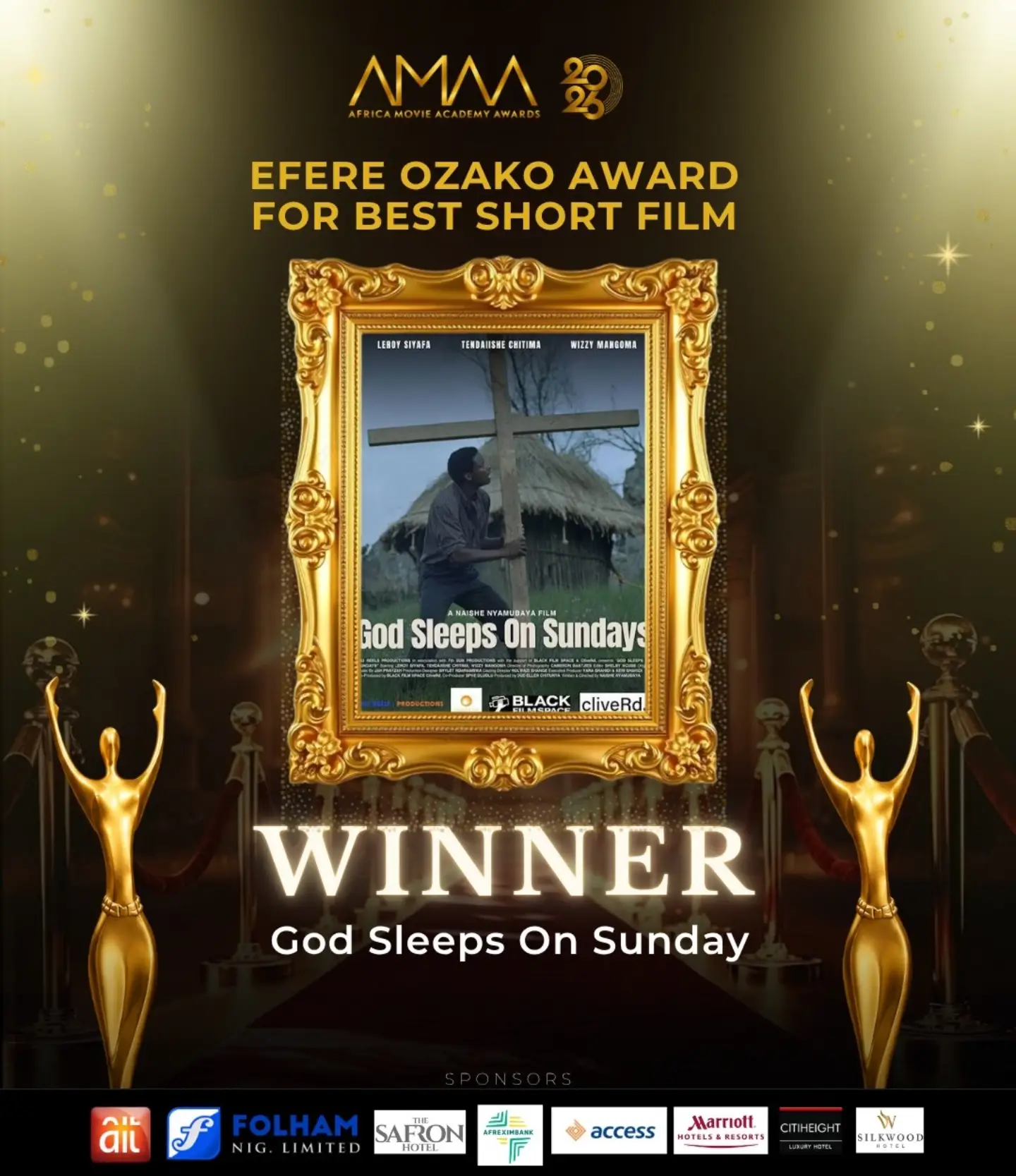
Efere Ozako Award for Best Short Film – God Sleeps On Sundays (Zimbabwe)
The Zimbabwean short took the prize in a ten-film field.
Other nominees:
The Last Miracle (Egypt/Germany/Sudan)
Demm (Senegal/Switzerland)
Taxi Moto (Rwanda/Switzerland)
Hurriyah (Nigeria)
Ashes of Accra (Ghana)
The Spectacular Death of Prisca (Nigeria/USA)
The Man, The Cliff and The Dog (South Africa)
A Night With The Queen (Nigeria/UK)
Emanya (Namibia)
Jubril Malafia Award for Best Animation – Ana Fein W Geit Menein (Egypt)
The Egyptian film won the animation prize.
Other nominees:
The Plot (Nigeria/UK)
Ananse and The Divine Journey (Ghana/USA)
Sundrud (Mali/France/Belgium/Iceland)
The Lion of Gwoza (Nigeria)
The Shadow of a Griot (L’Ombre d’un Griot) (Côte d’Ivoire)

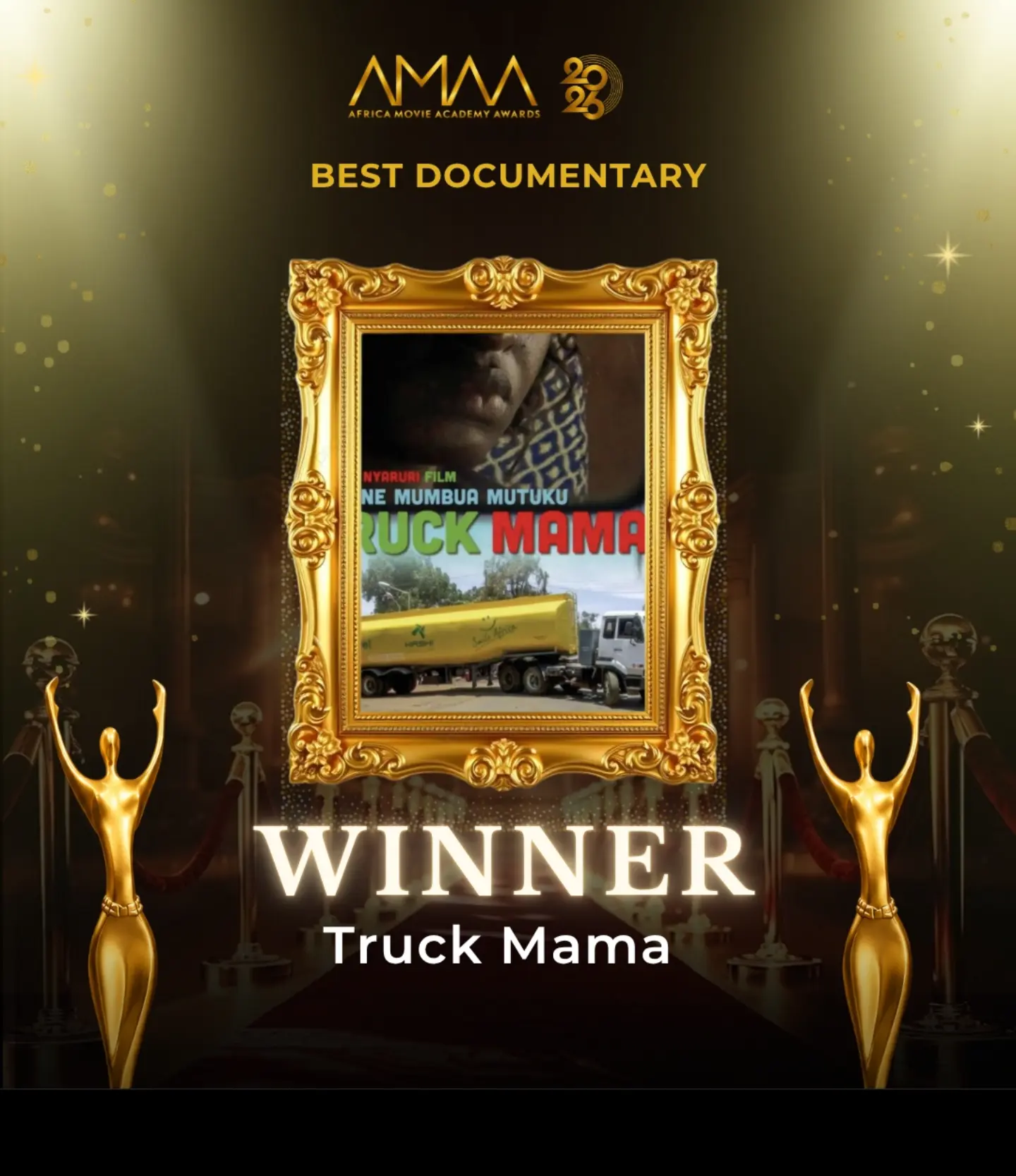
Best Documentary – Truck Mama (Kenya)
Directed by Zipporah Nyaruri, the film gave Kenya a second win beyond One Woman, One Bra.
Other nominees:
The Greatest Soul on Earth (South Africa)
Djeliya, Memory of Mandingo (Burkina Faso)
Fosta (South Africa)
Asaba Massacre: October 7, 1967 (Nigeria)
Chicken Ghetto (Uganda)
The Rhythm of Ancestors: Yoruba Bata (Nigeria)
Ekitiibwa Ky’olugbugo (Uganda)
Best Diaspora Short – Cross Roads (USA)
The American short won the diaspora short prize.
Other nominees:
Till Death (USA)
Jamarcus Rose & Da 5 Bullet Holes (USA)
The Things We Carry (USA)
River Mama (USA)

Best Diaspora Documentary – Nashville Soul (USA)
The American documentary won in a four-film category.
Other nominees:
Reverence: Reclaiming the Forgotten (USA)
Sisters in Destiny: Angela Davis & Getty Archiméde (Guadeloupe)
Stolen (USA)

Best Diaspora Narrative Feature – Montmartre
Montmartre took the narrative feature prize for the diaspora.
Other nominees:
A Tribe Called Love
Heirloom

Achievement in Screenplay – To Adaego With Love (Nigeria)
The script prize was the first of the film’s two wins.
Other nominees:
Slum Bomber (Uganda)
Colours of Exile (Côte d’Ivoire)
One Woman, One Bra (Kenya)
Onobiren: A Woman’s Story (Nigeria)
The Herd (Nigeria)
Ben Made It (South Africa)

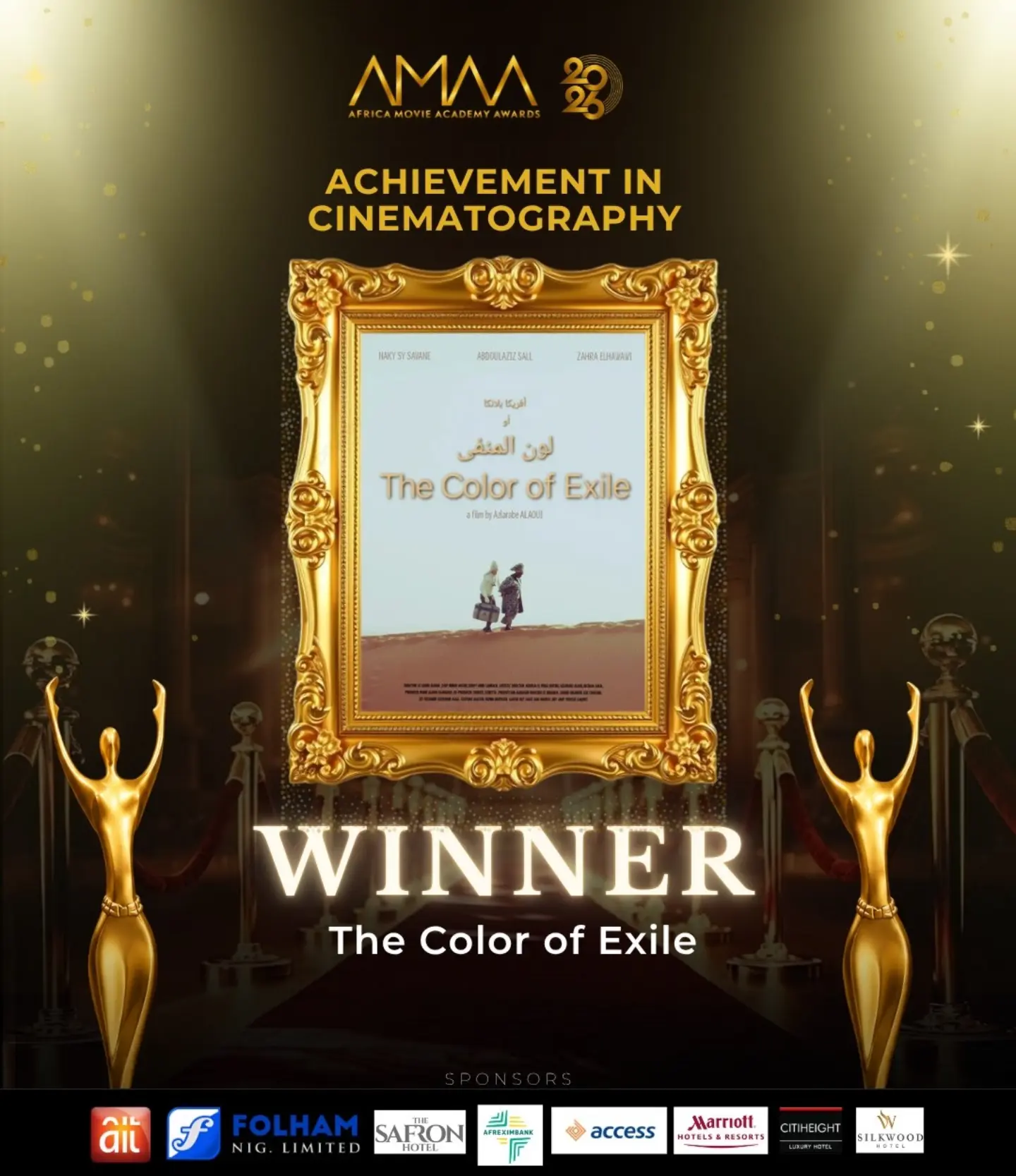
Achievement in Cinematography – Colours of Exile (Côte d’Ivoire)
The award was the second of the film’s four wins.
Other nominees:
The Trek (South Africa)
One Woman, One Bra (Kenya)
Slum Bomber (Uganda)
Hanami (Switzerland/Portugal/Cape Verde)
Cordelia (Nigeria)
Ben Made It (South Africa)
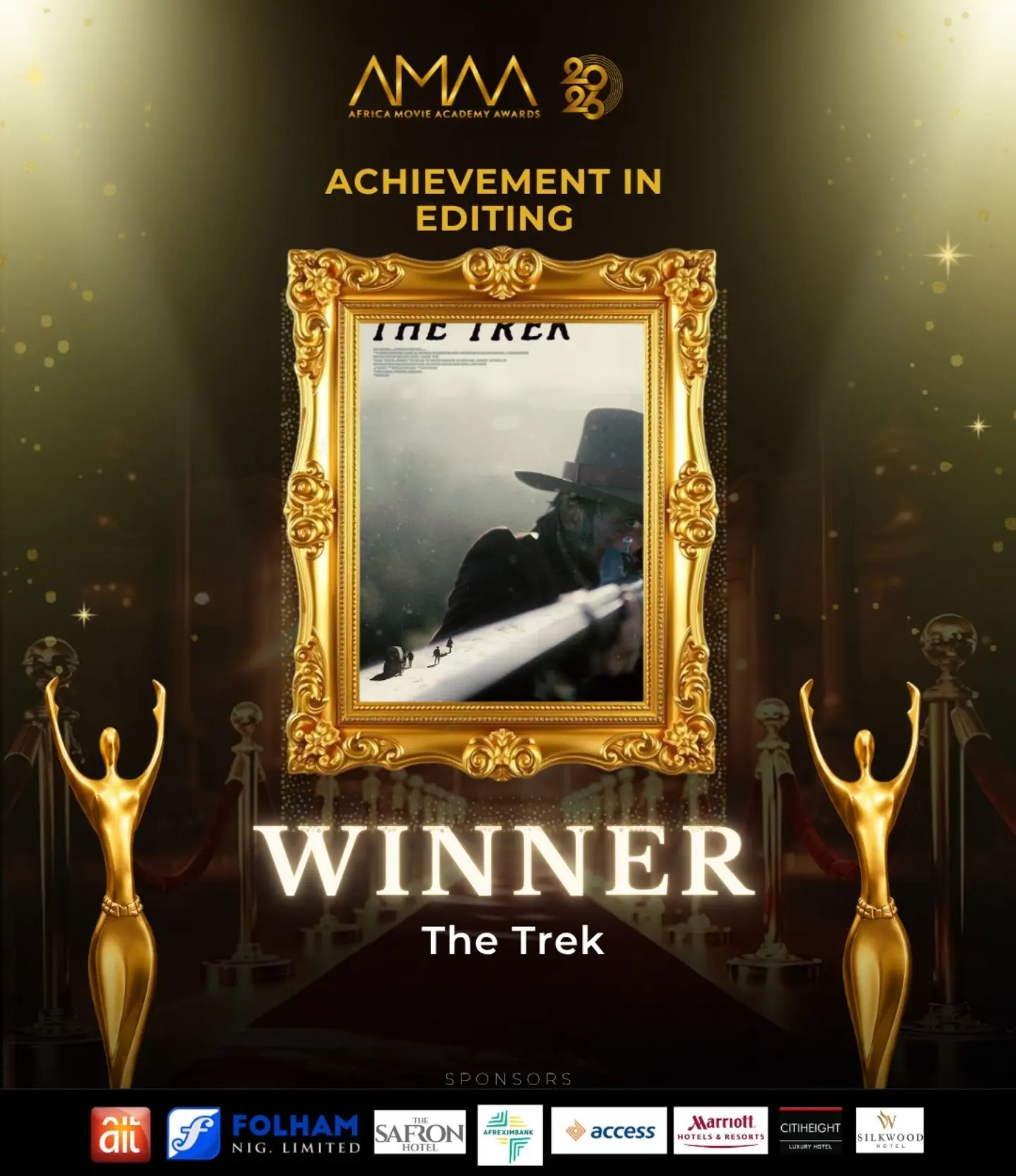
Achievement in Editing – The Trek (South Africa)
This was the only award The Trek took from ten nominations.
Other nominees:
Colours of Exile (Côte d’Ivoire)
Slum Bomber (Uganda)
Ben Made It (South Africa)
Suky (Nigeria)
Evi (Nigeria)
One Woman, One Bra (Kenya)
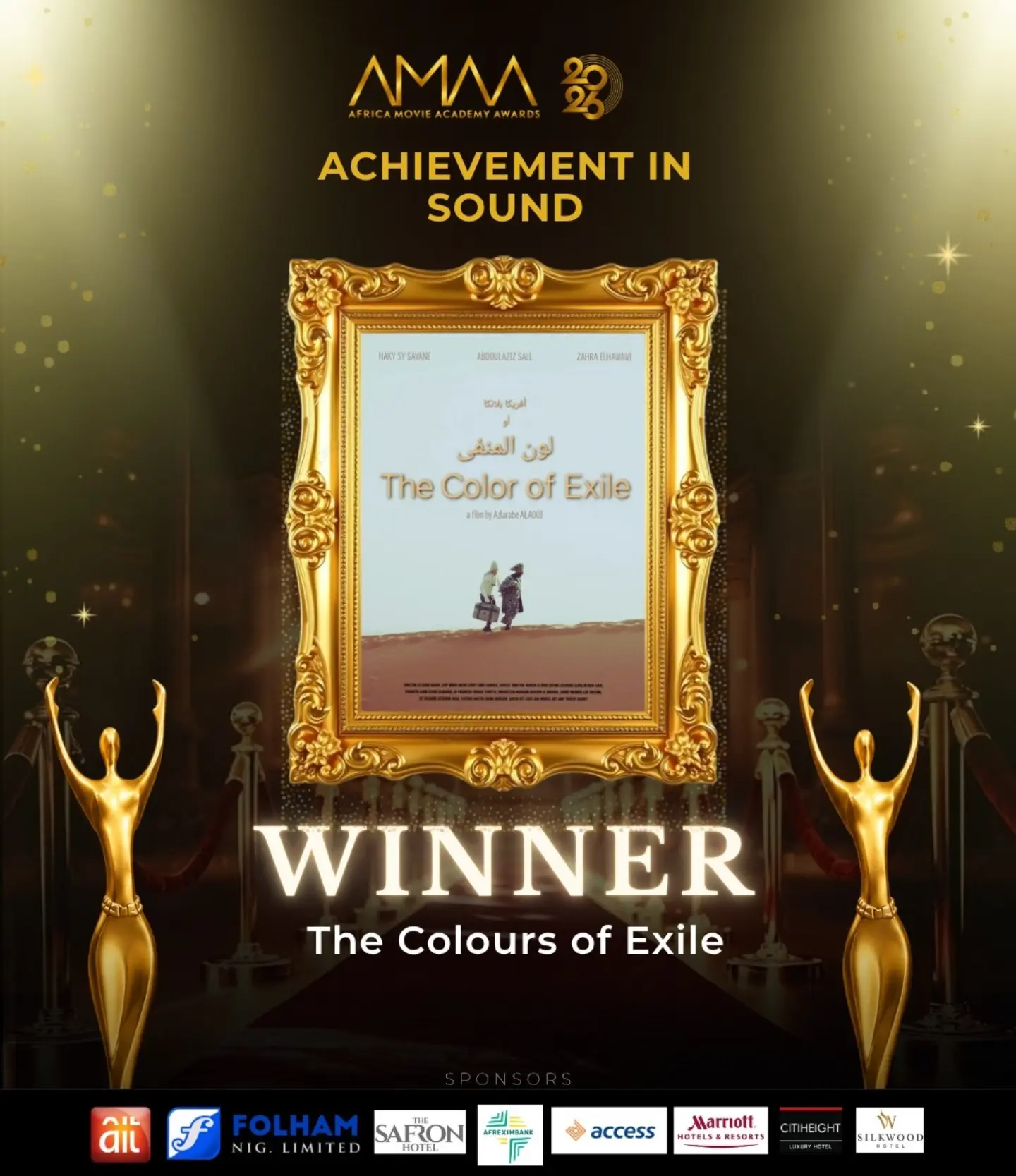
Achievement in Sound – Colours of Exile (Côte d’Ivoire)
The Sound Award completed the film’s tally of four.
Other nominees:
The Trek (South Africa)
Suky (Nigeria)
To Adaego With Love (Nigeria)
Colours of Fire (Nigeria)
Slum Bomber (Uganda)
Black Burns Fast (South Africa)
One Woman, One Bra (Kenya)
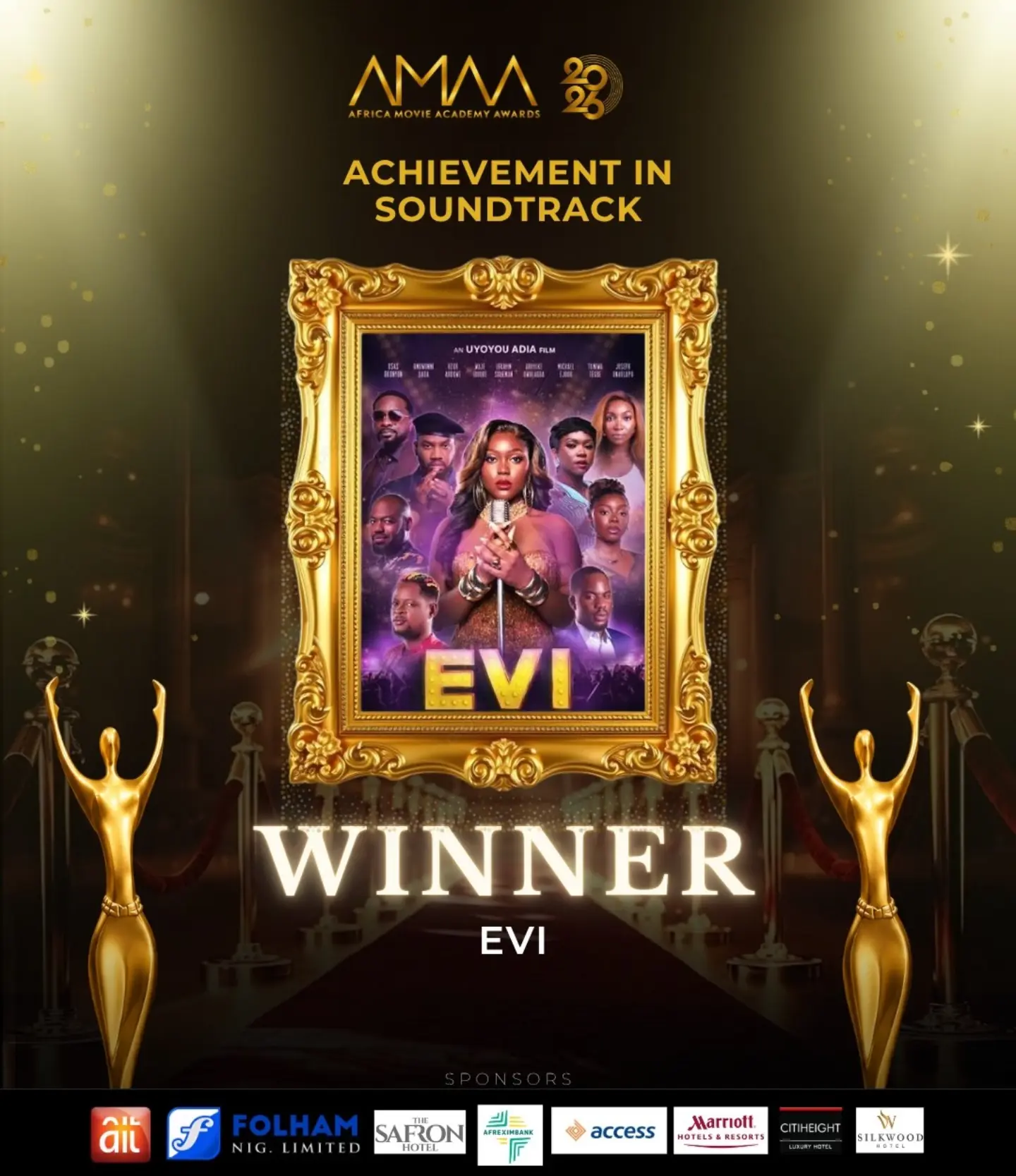
Achievement in Soundtrack – Evi (Nigeria)
Evi won its only award in this category.
Other nominees:
Slum Bomber (Uganda)
To Adaego With Love (Nigeria)
Black Burns Fast (South Africa)
Idia (Nigeria)
One Woman, One Bra (Kenya)
Achievement in Visual Effects – The Creek (Nigeria)
The Nigerian film also took a single award home.
Other nominees:
Colours of Fire (Nigeria)
The Fisherman (Ghana)
Suky (Nigeria)
The Herd (Nigeria)

Achievement in Costume Design – The Fisherman (Ghana)
This was the Ghanaian film’s one win, and it came in a field of six nominees.
Other nominees:
One Woman, One Bra (Kenya)
Ìwé Alá: An Ojúde Oba Story (Nigeria)
Idia (Nigeria)
To Adaego With Love (Nigeria)
The Trek (South Africa)

Achievement in Production Design – The Herd (Nigeria)
The win was the first of two craft awards for the film on the night.
Other nominees:
To Adaego With Love (Nigeria)
Slum Bomber (Uganda)
Lights Out
Colours of Fire (Nigeria)
One Woman, One Bra (Kenya)
Cordelia (Nigeria)
The Creek (Nigeria)

Achievement in Make-up – The Herd (Nigeria)
Together with Ejiofor’s supporting actress award, this made three wins for Daniel Etim Effiong’s film.
Other nominees:
Efunroye: The Unicorn (Nigeria)
Colours of Fire (Nigeria)
Slum Bomber (Uganda)
Mabanda (Cameroon)
Suky (Nigeria)

Some films with heavy nomination counts left with nothing: Ben Made It (South Africa) had ten, Colours of Fire (Nigeria) had nine, and Cameroon’s Mabanda also went home without an award.
In Summary
The 2026 awards confirmed the growing strength of filmmaking beyond the usual centres of production. Kenyan and Ivorian titles claimed the highest honours, while Nigerian films continued to register strongly in acting and craft categories. The results point to a broader continental conversation in which stories rooted in specific local realities continue to find recognition across borders.

Thanks for Reading.
Shockng.com covers the big creators and players in the African film/TV industry and how they do business.
Let’s be friends on Instagram @Shockng