The Story⚡
Two directors. One room. No safety net of generic press questions. Fatimah Gimsay and Akay Mason turn the camera on each other, and the craft itself, and the talk moves from friendship and ego to the cost of a single frame.
Tell Me More
In a special episode of Directors Eye, Fatimah Gimsay, making her feature debut with the crime thriller Black Market, and Akay Mason, releasing the mystery Five Figurines, sit down to interview one another. The conversation moves easily between the practical and the personal: how friendship survives the pressure of a set, whether two directors can ever truly share the final frame, and what producing teaches a filmmaker about the real price of a single shot.
From Little Bubbles to a World Within a World
Mason begins by asking Gimsay how Black Market differs from her short films. She describes the shorts as small, contained bubbles, limited characters spinning in their own chaotic orbits. By contrast, Black Market is “a world within a world.” An ensemble piece set around a market and a disciplined fuel-smuggling operation, it allows a fuller range of emotion while remaining grounded. She notes the jump in scale was significant, yet the focus on complex female characters remains consistent with her earlier work.
Friendship, Perfectionism and the Memo
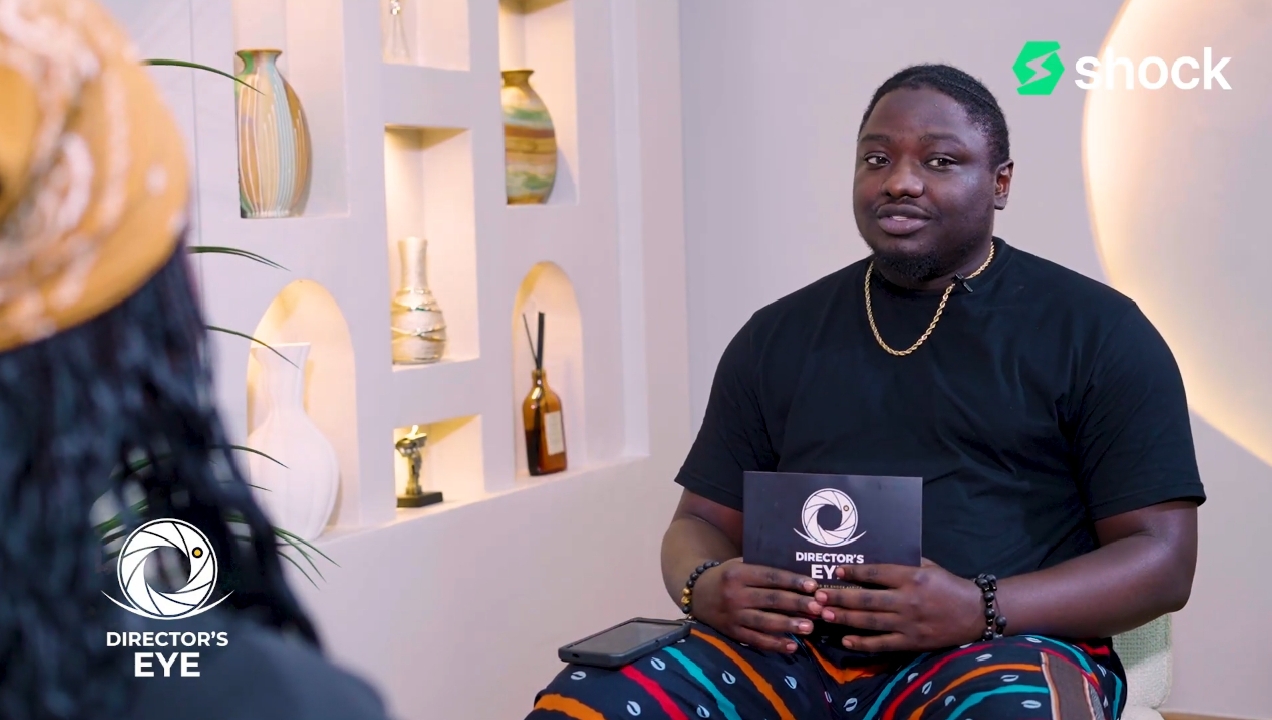
The talk turns to working with producer Nora Awolowo, a close friend. Both women are perfectionists, and Gimsay is frank about the assumptions people make. Friendship does not erase disagreement. Before cameras rolled, she sent Nora a detailed email, half memo, half set of commandments, laying out how they would handle conflict: disagreement only for the sake of the film, and an immediate exit if resentment began to grow. On set, when exhaustion hit at 2 a.m., Nora would simply remind her of the shot list she herself had insisted on. Gimsay found the accountability reassuring rather than abrasive. They fought, she says, because they cared.
The Question of Co-Directing
Asked whether she would ever co-direct, Gimsay is open but cautious. She had originally been attached to co-direct another project before the plan changed. After carrying Black Market alone, she still likes the solitude of full responsibility. Co-directing would depend entirely on the person and the material; personality matters as much as talent. Mason is more decisive. He has co-directed twice, Day of Destiny and Adam and Eve, and does not plan to do it again. He values having the final say on the picture and admits that ego plays a part. Both acknowledge that directors can be sensitive and occasionally arrogant, and that managing two sets of strong opinions on one set multiplies the friction.
Producing and the Cost of a Frame
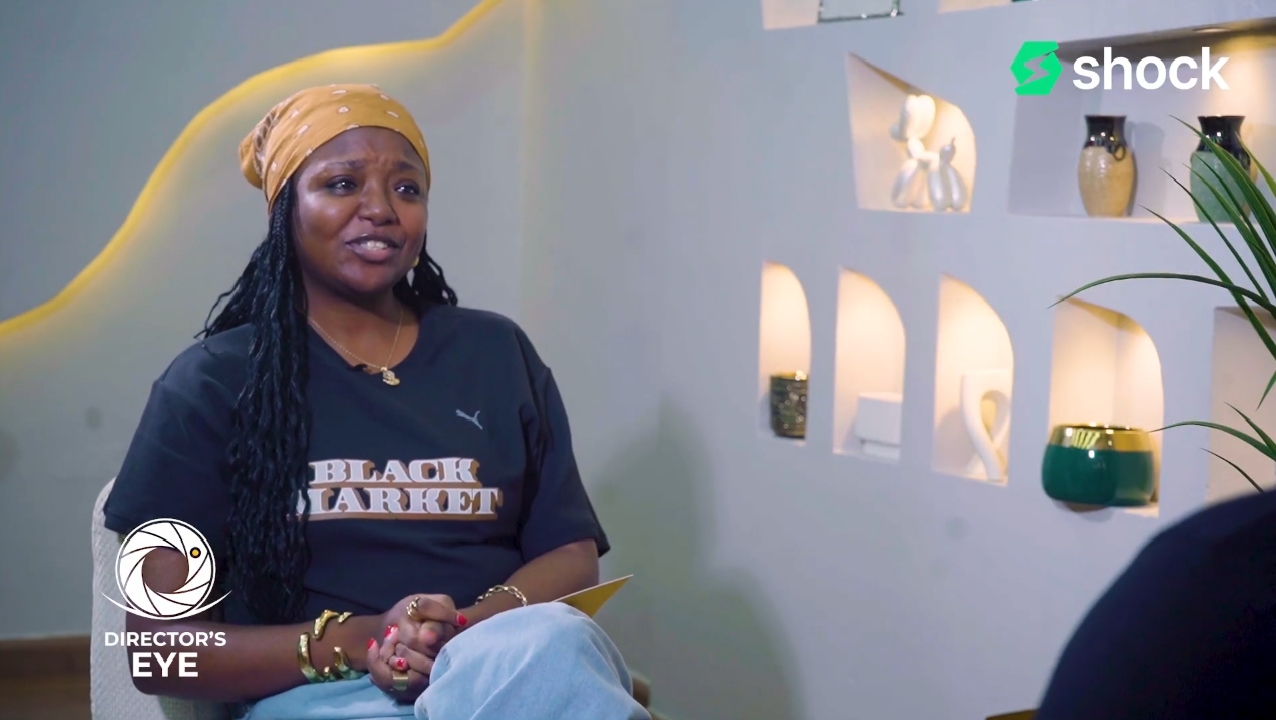
When the roles reverse, Gimsay asks Mason about directing and producing Five Figurines at the same time under his company Element24 Media. It is his first project in both roles. The logistical load surprised him: endless group chats, sign-offs, and decisions that once felt distant. He now understands the true cost of a single frame and has learned to weigh creative desire against practical limits. The experience, he says, has grounded him and increased his respect for producers.
Two Aspect Ratios, Two Worlds
Mason elaborates on a deliberate technical choice. Five Figurines uses two aspect ratios. Scenes inside the contained, intimate world centred on Bimbo Akintola’s character are framed in 4:3, compressing the image and emphasising closeness. When the story moves into the wealthier, more chaotic world outside, the frame opens to 2.39:1. The wider image brings more visual noise and distraction, reflecting the overwhelm of that environment. The shift was part of a larger collaboration with cinematographer Emmanuel, whom Mason calls the most beautiful picture he has made so far.
What Remains
Asked what he wants audiences to remember about his work, Mason returns to emotion and family. He hopes viewers leave the cinema having felt something genuine and having carried questions home with them. Escapism matters to him: two hours in which people can set real life aside and inhabit another set of lives before returning to their own.
Rapid Fire and Closing Notes
The conversation loosens into favourite films that first sparked the desire to direct, dream collaborators if budget were no object, and the strange comfort of set life compared with the sudden emptiness of the morning after wrap. Gimsay names Genevieve Nnaji, among others; Mason points to Nse Ikpe-Etim and Michael B. Jordan. Both confess a soft spot for stories that move them, whether widely praised or quietly personal. When asked for one word to describe each other, the answers land with quiet precision: intelligent, intentional, passionate.
Watch Full Interview Here
In Summary
What lingers is the honesty of two directors who understand the isolation of the chair and the weight of every decision that ends up on screen. Their exchange offers a clear-eyed look at friendship under pressure, the price of creative control, and the small technical choices that shape how a story is felt. Part 2 is coming soon, and this time the Directors Eye team turns the hot seat around.
Thanks for Reading.
Shockng.com covers the big creators and players in the African film/TV industry and how they do business.
Let’s be friends on Instagram @Shockng