The Story⚡
Two orphaned brothers. One fights with fists in the Dambe ring. The other fights with crime on the streets. When the man who raised them reaches for political power, both become disposable. Freedom has a price the ghetto is determined to collect.

Tell Me More
The Ghetto Never Leaves opens on the hard streets of a neighbourhood ruled by a feared crime lord. Here two orphaned brothers grow up sharing the same hunger for survival yet choosing completely different paths. One channels his strength into Dambe, the traditional Northern Nigerian form of boxing that rewards precision, endurance, and a single crushing blow. The other steps into the faster, more dangerous currents of street crime. Their bond remains strong, but the roads they walk begin to pull them apart.
Director A. Abimbola Olagunju shapes The Ghetto Never Leaves around this central tension. He has described the film as the story of two brothers chasing the same dream of freedom while taking routes that threaten to destroy it. The film does not treat escape from the ghetto as a simple matter of distance or time. It examines the deeper system of control, loyalty, violence, and sacrifice that continues to hold people long after they try to walk away.
Power Shifts and the Cost of Ambition
The brothers’ powerful benefactor, the same man who once offered them protection, begins converting his criminal influence into political ambition. Suddenly, the young men who once served his interests become expendable pieces in a larger struggle for control. The Ghetto Never Leaves follows the moment when survival demands that the brothers challenge the very structure that raised them. Every alliance, every debt, and every unspoken rule of the streets is put to the test.
Spoken in English, Nigerian Pidgin, and Hausa, the film stays close to the rhythms of the world it portrays. Crime, physical confrontation, thriller tension, and political calculation move together without one element overpowering the others.
First Look
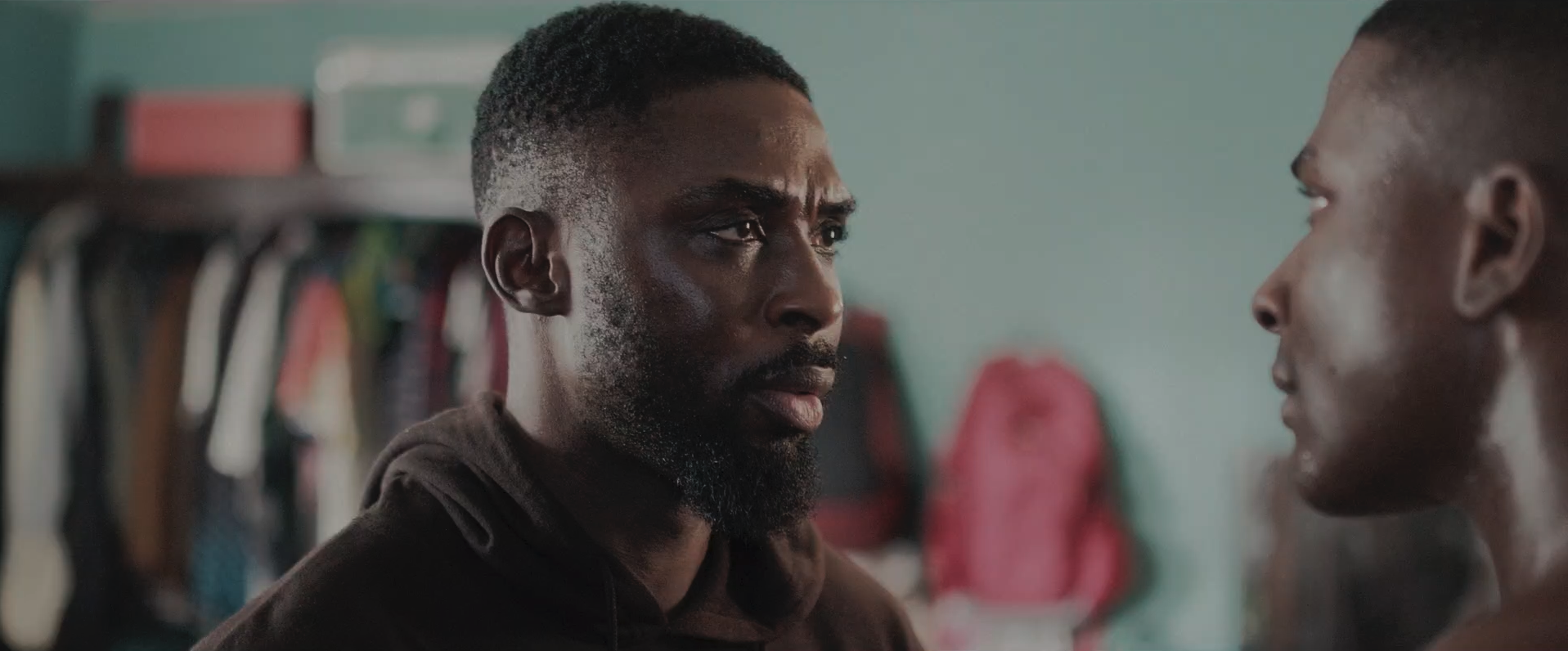
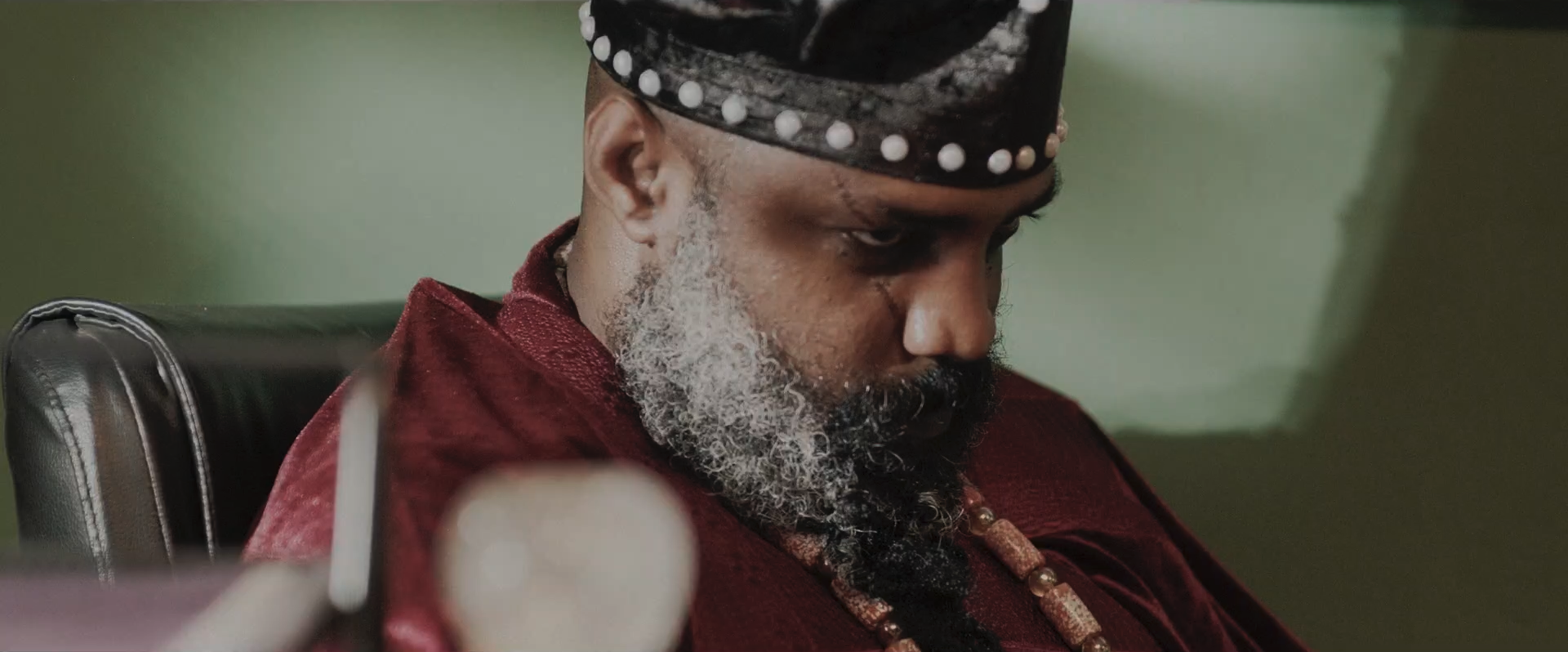
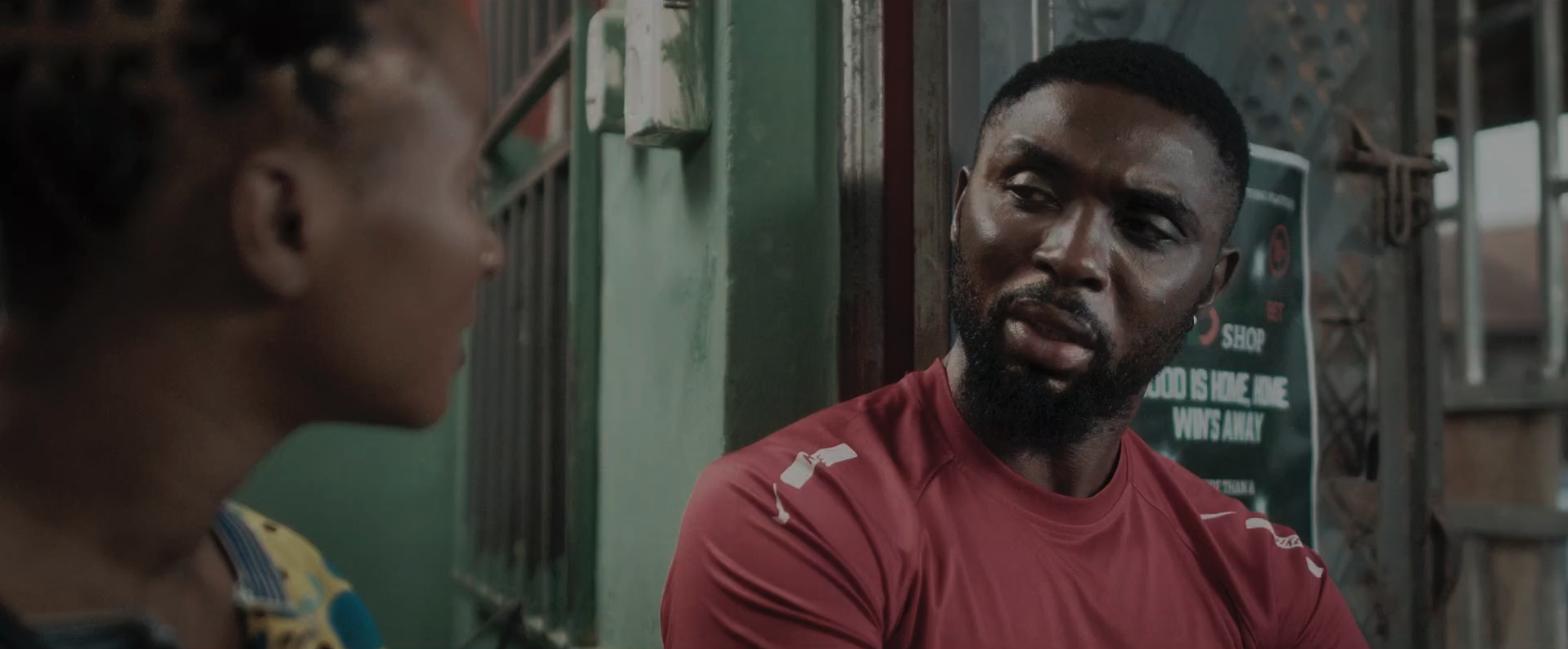


The Cast and the World They Inhabit
Ifeanyi Kalu and Emmanuel Igwe carry the weight of the two brothers at the heart of The Ghetto Never Leaves. Their performances sit inside a wider ensemble that includes Tolu Asanu, Oreva Blessing Uzero, Omini Aho, Agatha Gambo, Mickey Odey and Arize Igboemeka. Together they populate a landscape of shifting loyalties, quiet calculations and sudden violence.
Produced by Gertrude Preye Seibi, the film carries a clear purpose. Olagunju has said he aims to tell stories that connect with audiences and evoke genuine emotion. The Ghetto Never Leaves finds that emotion in the pressure of limited choices, the strength and strain of brotherhood, and the high cost of confronting a power that once seemed absolute. The tagline puts the central idea in plain Pidgin: “You fit fight to leave the trenches, but the trenches go fight to keep you.”
The Cast








What the Film Refuses to Soften
Dambe sequences bring moments of physical clarity and ritual. Political manoeuvres introduce a colder, more calculated form of combat. Both arenas ask the same question of the characters: how far a person will go to claim a future when the past keeps reaching for them. The Ghetto Never Leaves does not offer easy answers. It stays with the difficulty of the struggle itself.
In Summary
The Ghetto Never Leaves arrives in cinemas on November 20. It presents two brothers forced to decide what freedom is worth when the streets that raised them refuse to let go, which poses a question that remains: can anyone truly leave, or does the ghetto always find a way to follow?

Thanks for Reading.
Shockng.com covers the big creators and players in the African film/TV industry and how they do business.
Let’s be friends on Instagram @Shockng