The Story⚡
You have seen the food and saved the recipes. Bukie Akinmade, though, did not start in a kitchen. She started in NNPC and Barclays, and left a six-year catering business behind. Her next move is the real story.
Tell Me More
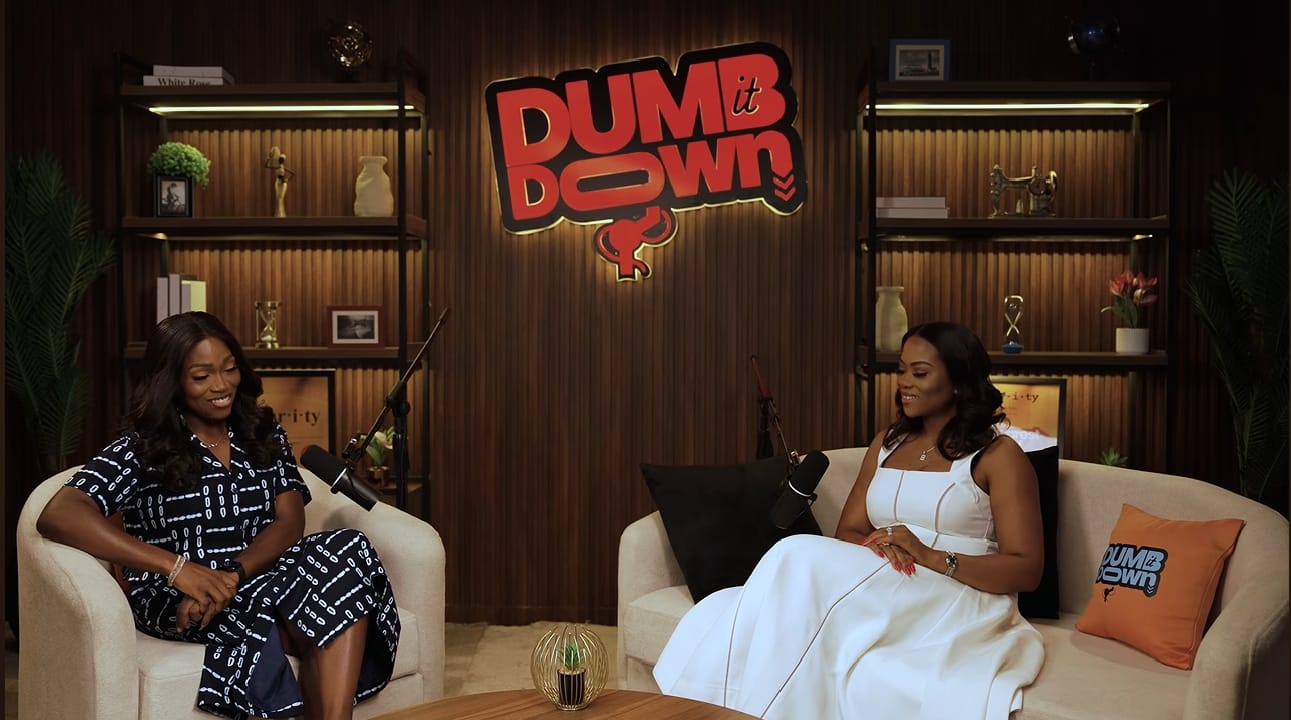
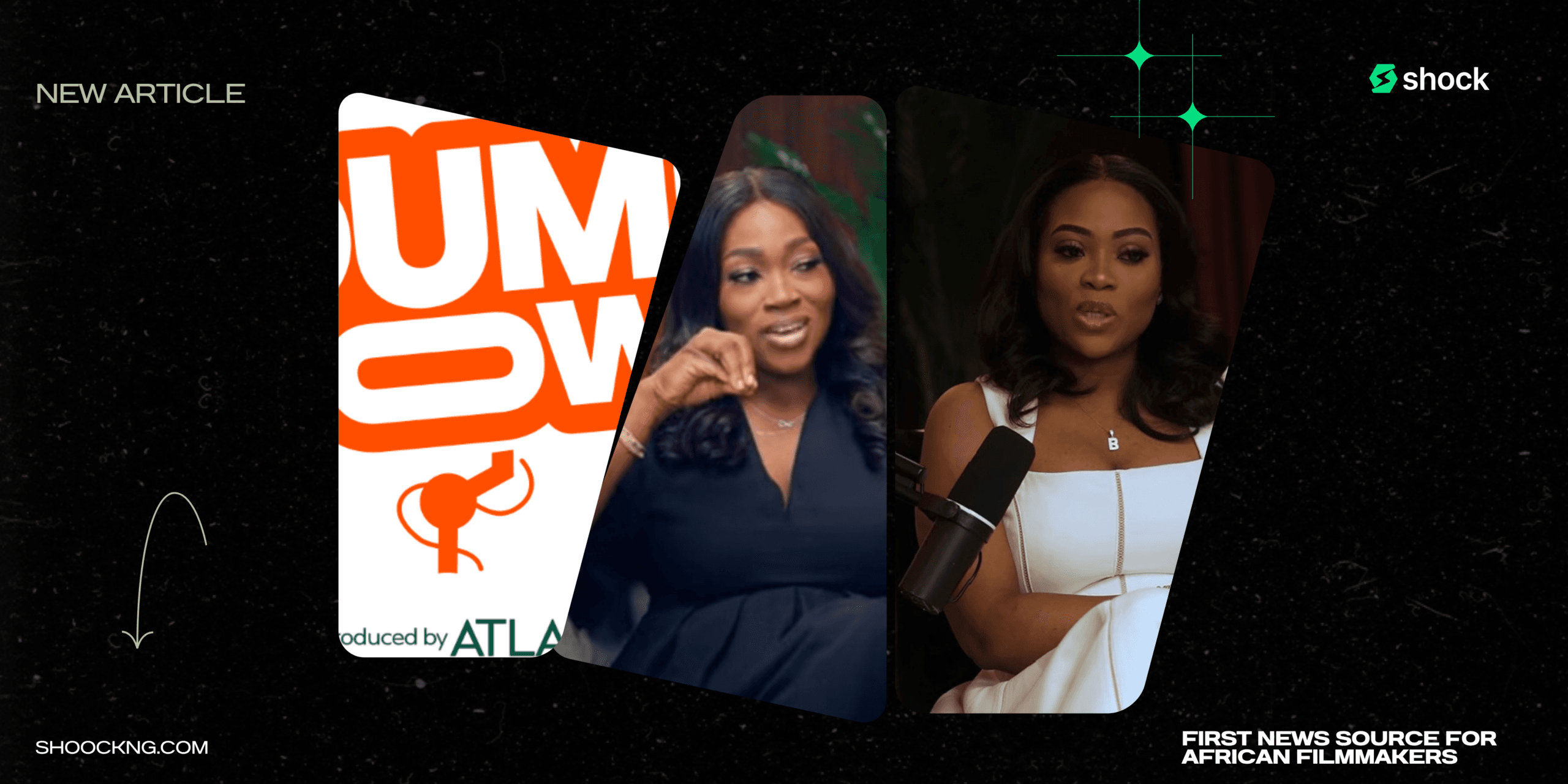
In the fifth episode of Dumb It Down, host Abimbola Craig sits with Bukie Akinmade, known to many as The Kitchen Muse, for a conversation that stays firmly on the business side of food. The talk moves from early corporate jobs through a catering company that once fed dozens of office workers daily, into the creation of a content platform and a physical food business, and ends with the quiet question of what she is constructing that might outlast her own presence on camera.
Corporate Beginnings and the First Pivot
Right out of university, Bukie worked in debt management at Barclays in the UK. After returning to Nigeria, she completed her service year and spent time in the media department of NNPC. The shift from British banking culture to a large Nigerian organisation required adjustment; processes, expectations and the labour market itself felt markedly different. A short foray into interior design followed, driven more by personal interest than commercial ambition. The real change came around 2012. After a night out with friends in Lagos that ended with everyone hungry and nowhere to order a proper breakfast, she returned to Abuja and launched The Breakfast Place.
She built an outdoor kitchen at her parents’ house, hired a chef, assistants, and a delivery rider, and targeted corporate offices whose staff arrived hungry and short of time. Flyers went into office buildings. Early customers came through former NNPC colleagues. One small management team of six people soon grew to sixty-five, and other companies asked for the same consistent, on-site meal service. The model worked in Abuja. When she married and moved to Lagos, the economics changed. Prices people were willing to pay were far lower, remote quality control proved difficult, and after several months of trying to run the Abuja operation from a distance, she closed it.
“Recipes”, a YouTube Channel and the First Paid Opportunity
While pregnant and without the catering business, she began receiving requests for the recipes behind her stews and jollof. Someone suggested a YouTube channel. She hired a small team to film and edit; her role was simply to cook. The Kitchen Muse name arrived almost casually one night while she was deciding what the channel should cover. Growth was gradual: two subscribers a week, then ten, then a hundred.
The first serious commercial approach came from Maggi. They asked her to host a Christmas kitchen series and offered what, at the time, felt like substantial payment. The shoot took place on the day she was due to leave for the hospital to give birth. Seeing the finished video and the money in her account changed her view of the work. Consistency became harder once the production team’s schedules clashed with the demands of a newborn. She already owned some of the lighting and camera equipment. Using YouTube tutorials, she taught herself to set up, shoot and edit, often filming half a recipe one day and finishing the next. Instagram arrived later, first as a place for still images, and quickly became another channel where audiences engaged more readily.
Structure, Rates and a Second Food Business
Today Bukie remains the creative centre of The Kitchen Muse. Every idea originates with or is approved by her. A manager handles brand conversations and negotiations; a small content team helps generate concepts and scripts; a lawyer covers the legal side. Rate cards were first shaped around what Maggi had been willing to pay and later adjusted for the difference between longer YouTube pieces and shorter Instagram formats.
Beyond content, she founded Graze and Co, a grazing-board business built around the simple observation that many people prefer small portions of several things rather than one large plate. Lagos, she notes, contains customers prepared to pay for quality and for items that are not everyday fare, pomegranates, dragon fruit and the like—especially for events where presentation matters. Running a physical food business with real customers who have paid and hold clear expectations is, she says, more demanding than managing online reactions.

What Holds the Path Together
Looking across Barclays, NNPC, the breakfast service, the content platform and Graze and Co, she identifies passion as the connecting thread in her current work. If something begins to feel like pure obligation, she steps away from it. The same drive has taken her onto television as a judge on the first season of MasterChef Nigeria, an experience she describes as both unexpected and deeply satisfying after years of watching international editions of the show.
For anyone hoping to build a similar multi-layered practice, she offers three practical points: stay open-minded because audiences stretch across countries and cultures; treat every piece of content as a demand on someone else’s time and make it worth that time, whether by teaching or simply lifting a mood; and keep quality non-negotiable.
Watch Full Episode Here
In Summary
Bukie Akinmade’s path shows a series of practical responses to gaps she noticed: hungry office workers, missing recipes, the desire for varied small plates, rather than a single grand plan. The conversation leaves the sense that the next chapter is already taking shape, different from what audiences currently see, and still deliberately unannounced. New episodes of Dumb It Down continue every Friday.
Thanks for Reading.
Shockng.com covers the big creators and players in the African film/TV industry and how they do business.
Let’s be friends on Instagram @Shockng