The Story⚡
Six mid-career producers from five African countries walked into a Cape Town lab next week carrying years of festival premieres, Netflix releases, and hard-won credits, and left with sharper companies, refined pitches, and direct lines to investors who rarely meet them on equal footing.
Tell Me More
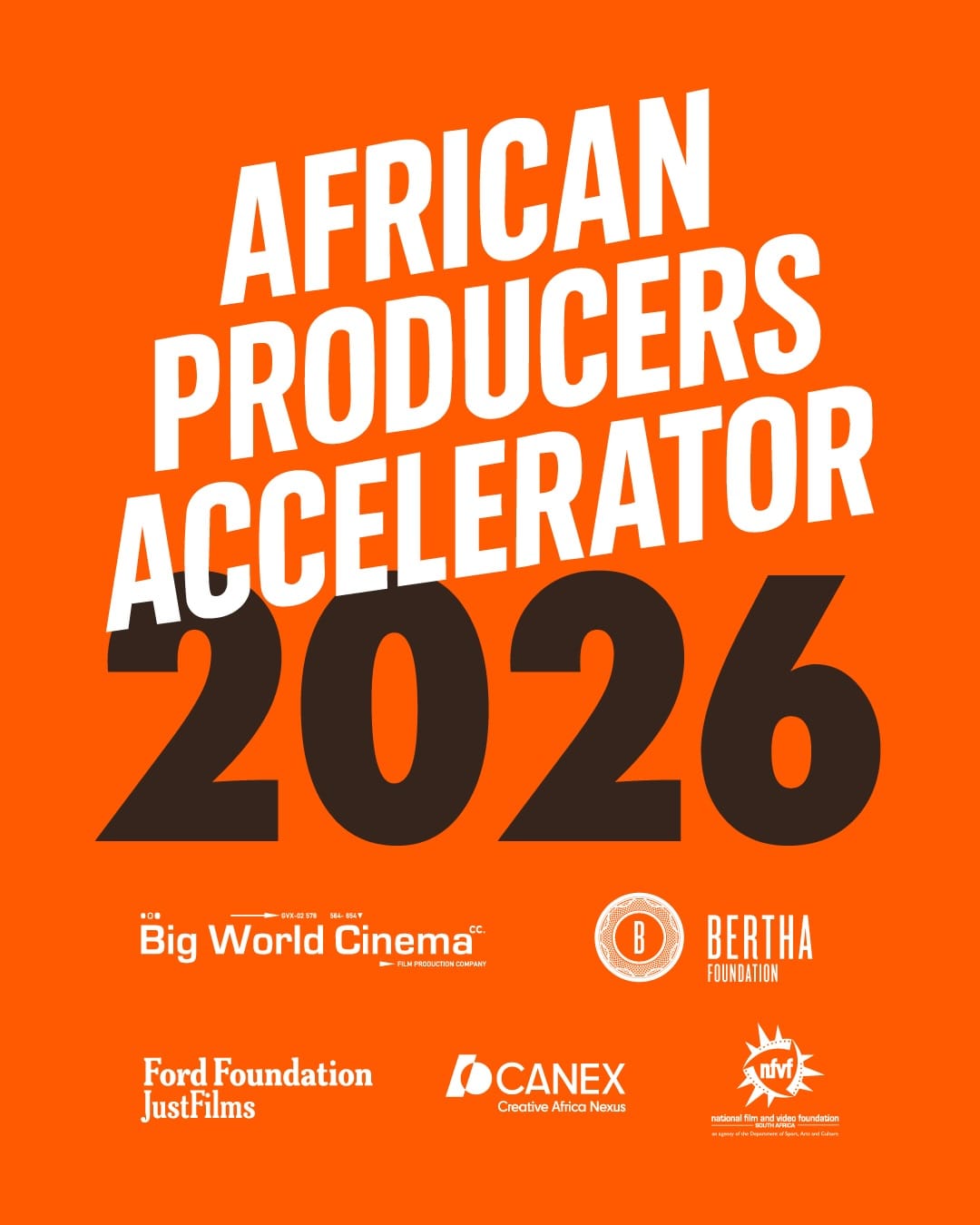
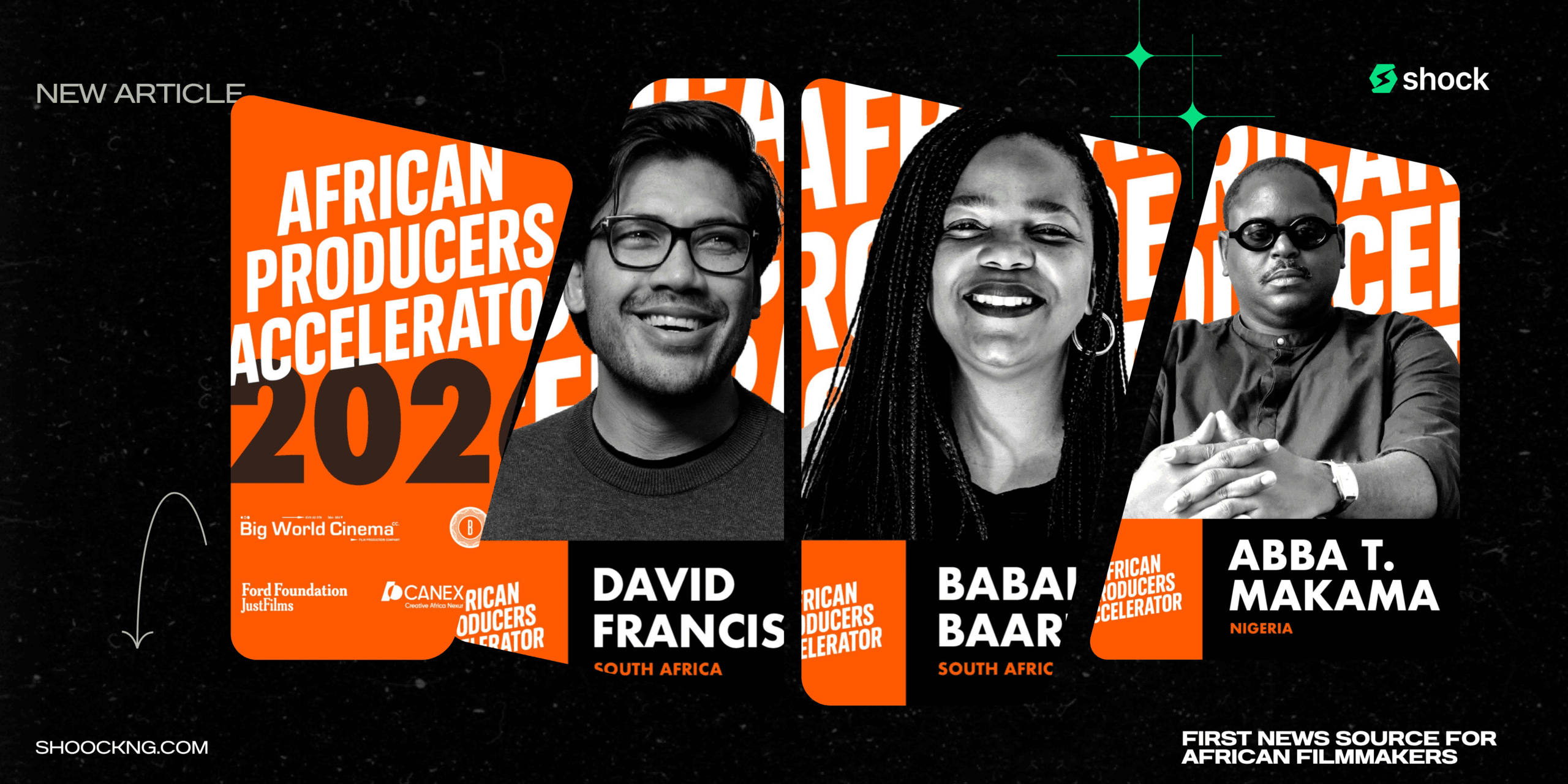
The African Producers Accelerator (APA) chose its second cohort from 267 applications across 31 countries. The six selected producers are Abba T. Makama (Nigeria), Babalwa Baartman (South Africa), David Franciscus (South Africa), Khalid Awad (Sudan), Kofi Owusu-Afriyie (Ghana) and Mimi Bartels (Nigeria). They gathered at the APA lab in Cape Town in May for the intensive in-person phase of a 12-week programme, which concluded at the end of July, designed to strengthen their companies, refine financing strategies and open direct routes to investors.
Big World Cinema presented the initiative with support from the Bertha Foundation, the Ford Foundation, Creative Africa Nexus (CANEX) and South Africa’s National Film and Video Foundation (NFVF). Led by Steven Markovitz and Tamsin Ranger, it focused on the practical barriers mid-career African producers face once their work has already reached international stages. Weekly one-on-one strategy sessions, specialised consultations and masterclasses prepared participants for the Cape Town lab, where they sharpened company pitches and project slates before presenting to investors. Further meetings took place at the Durban FilmMart, with an additional investor presentation planned later at CANEX WKND in Lagos.
Here was the cohort:
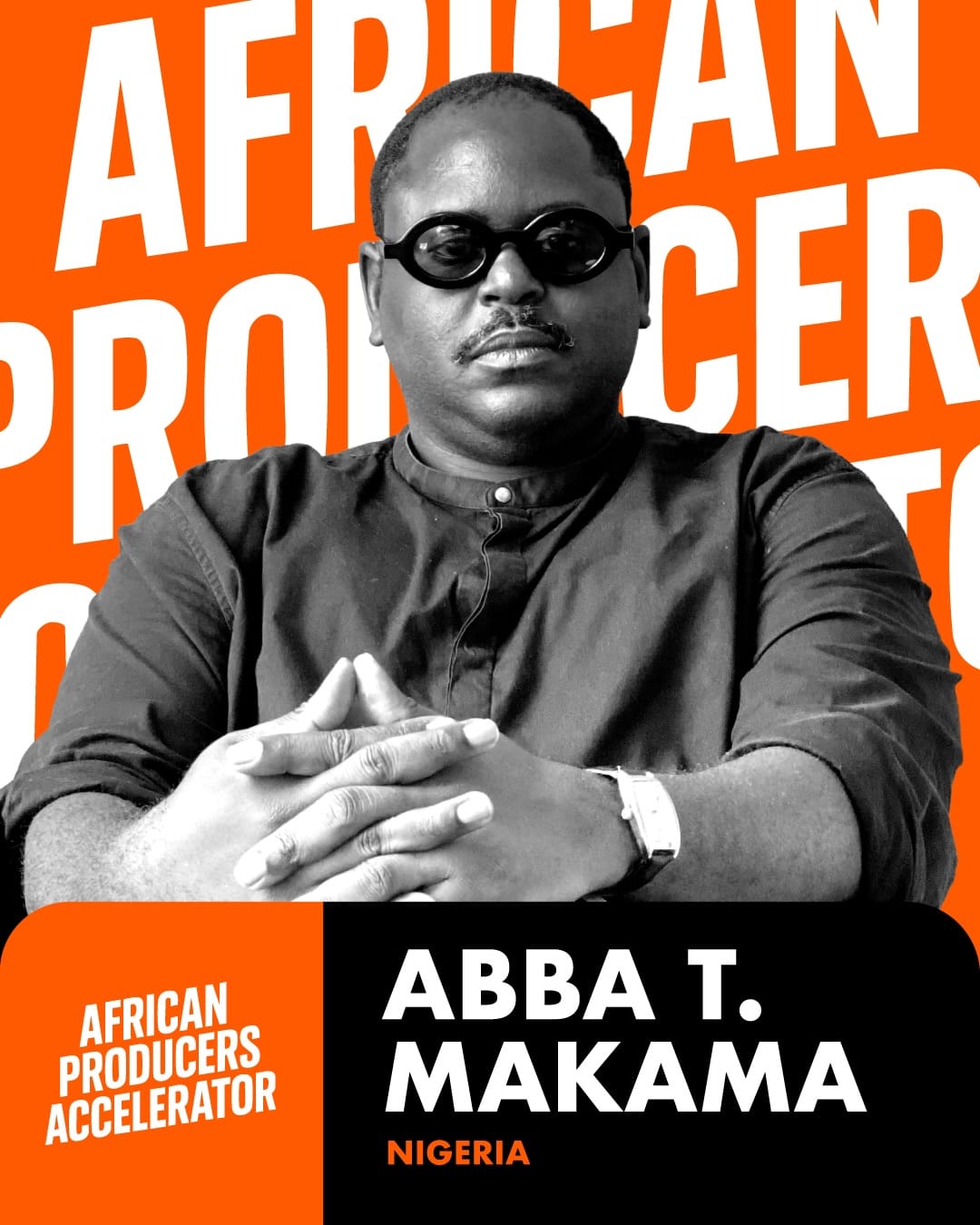
Abba T. Makama (Nigeria)
Founder of Osiris Film and Entertainment and co-founder of the Surreal16 collective, Makama directed and produced Green White Green and The Lost Okoroshi, both of which premiered at the Toronto International Film Festival. His films move between satire, magical realism and everyday Nigerian life. He also co-founded the S16 Film Festival to platform new African cinema.
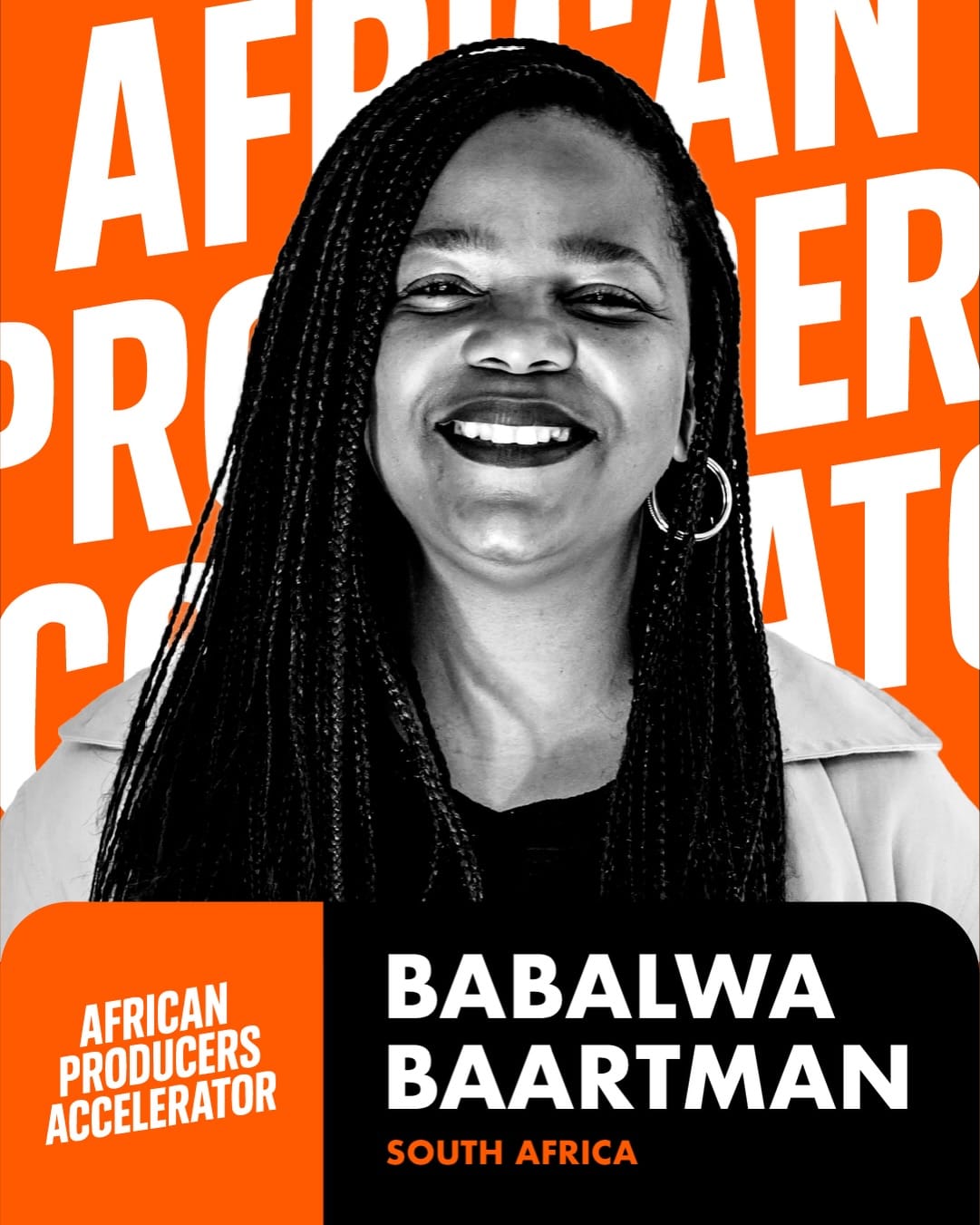
Babalwa Baartman (South Africa)
Through her company Sanusi, Baartman co-wrote and produced Good Madam (Mlungu Wam), the psychological horror that premiered at TIFF and later streamed on Shudder. Her work examines generational trauma, domestic labour and inequality in post-apartheid South Africa. She has participated in programmes including the Realness Institute and Cannes Producers Network.
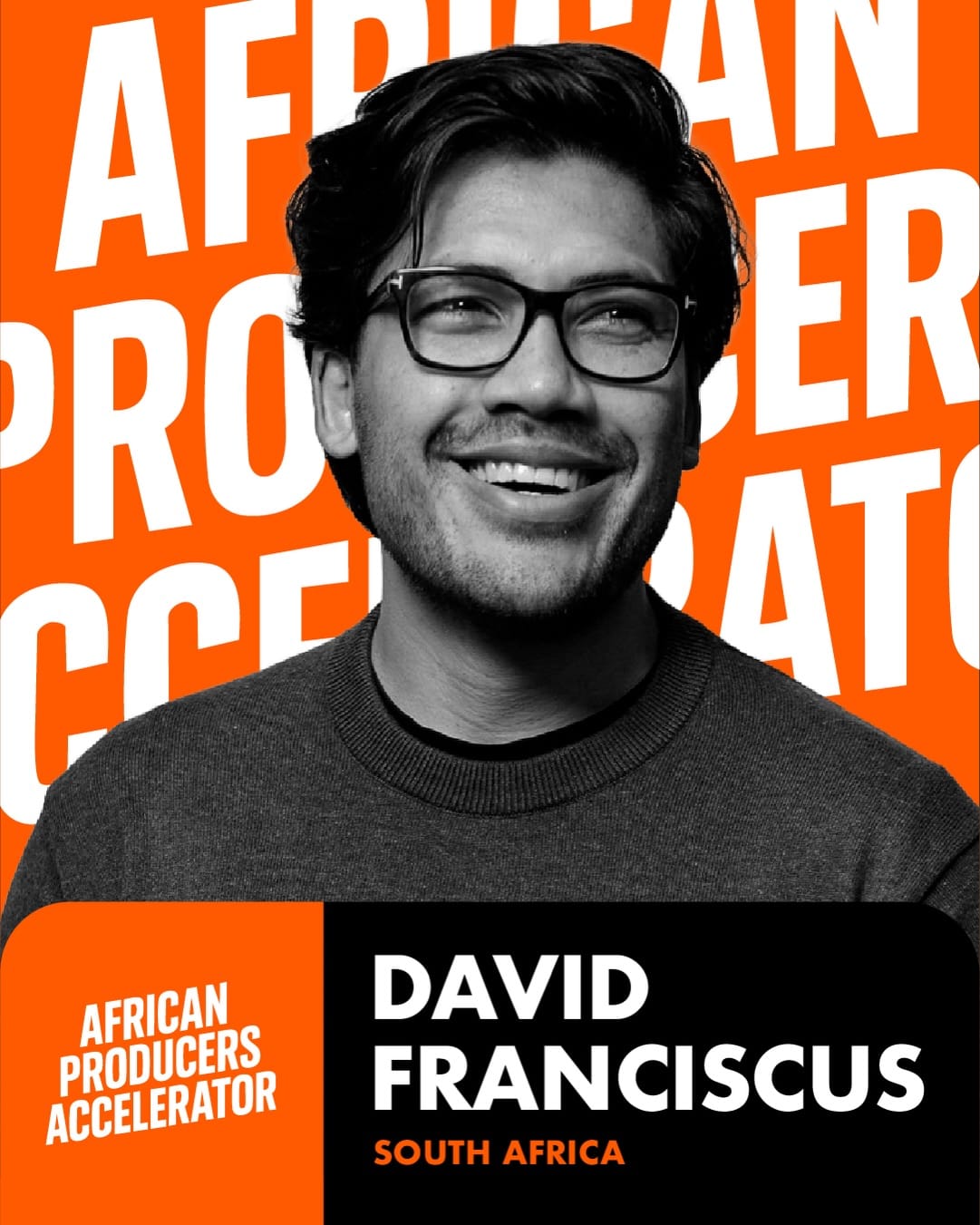
David Franciscus (South Africa)
A SAFTA-winning producer who runs Protagonist Studios, Franciscus produced the genre feature Street Trash, which premiered at the International Film Festival Rotterdam. He also co-runs the South African Independent Film Festival and focuses on character-driven stories that can travel beyond local screens.
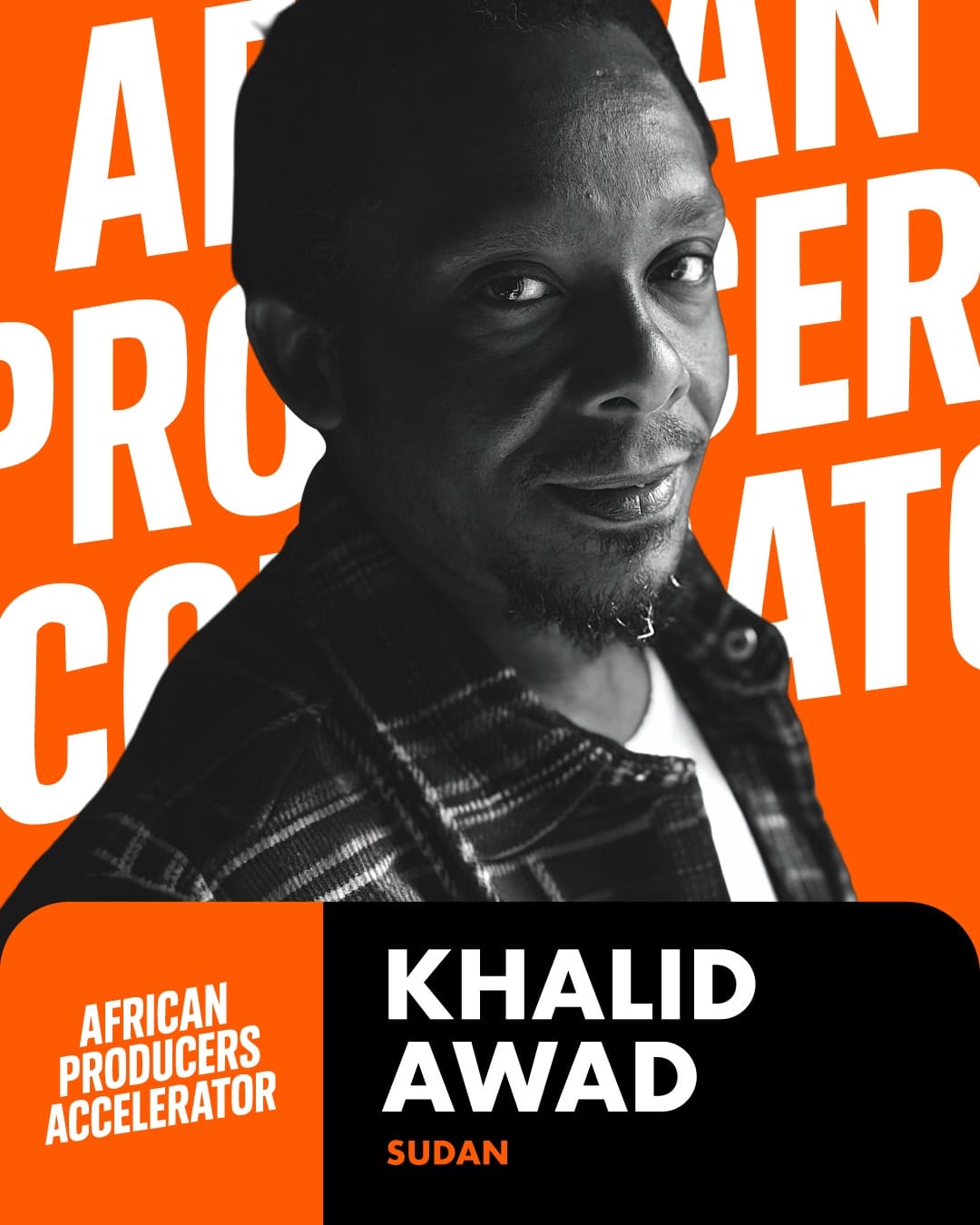
Khalid Awad (Sudan)
Awad co-produced Goodbye Julia, Mohamed Kordofani’s drama that became the first Sudanese film selected for Cannes (Un Certain Regard) and Sudan’s submission for the Academy Awards. The film was completed through a complex international co-production under difficult conditions in Sudan.
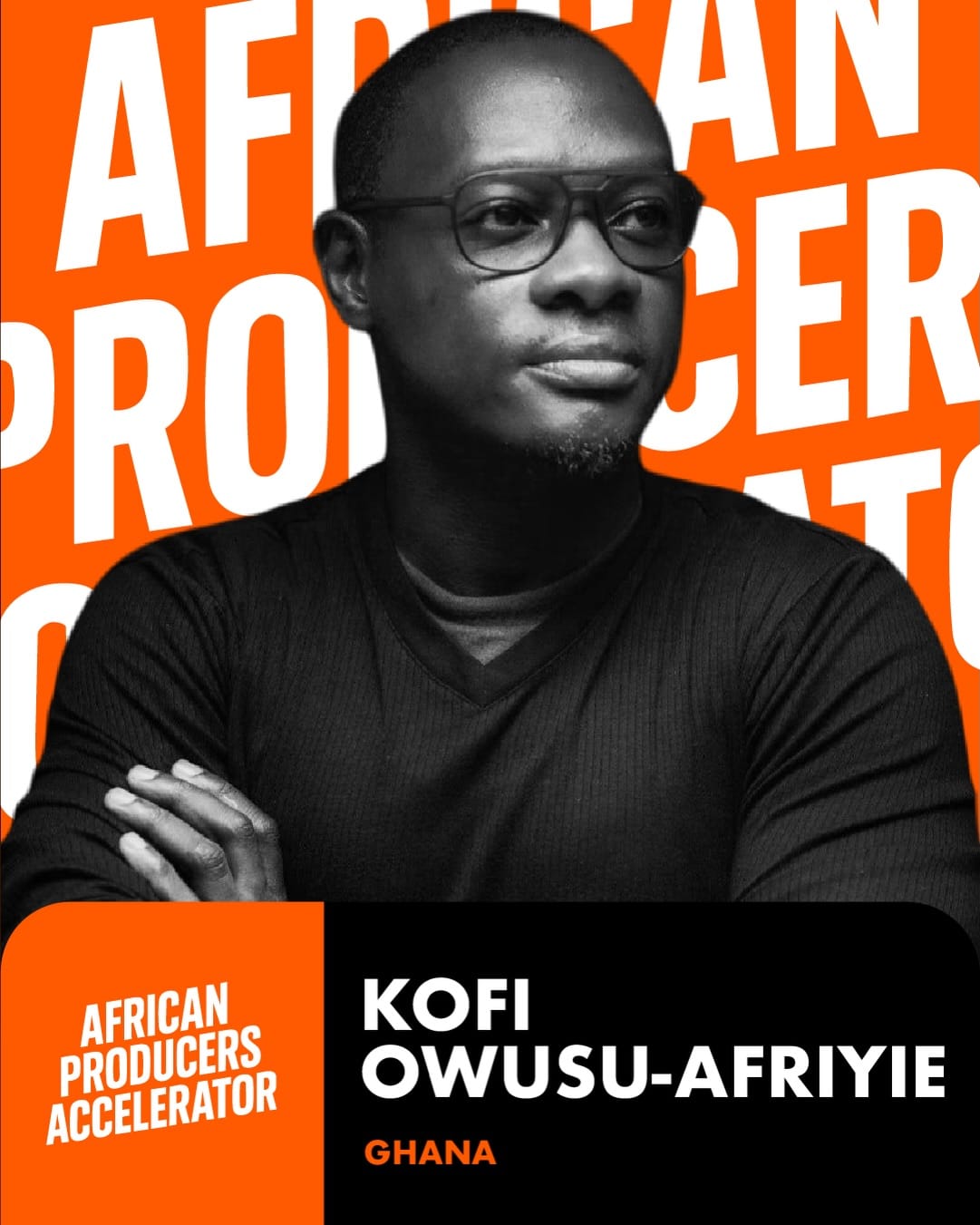
Kofi Owusu-Afriyie (Ghana)
Of Luu Vision Media, Owusu-Afriyie produced The Fisherman, directed by Zoey Martinson. The film marked Ghana’s first official selection at the Venice Film Festival, where it received the Fellini Medal (UNESCO Enrico Fulchignoni Prize). It began as a short and grew into a feature that blends comedy, magical realism, and the pressures on traditional fishing communities.
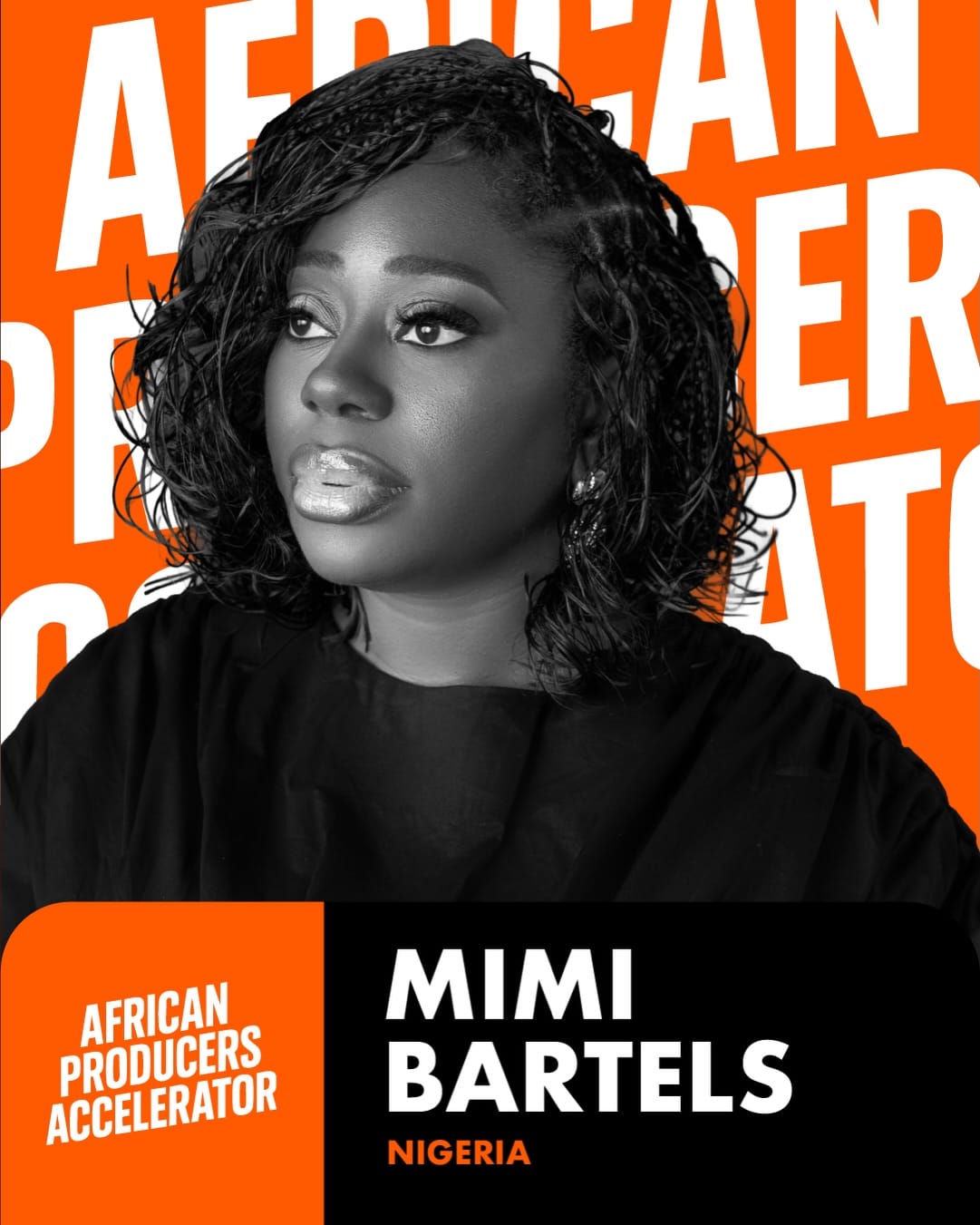
Mimi Bartels (Nigeria)
Co-founder of Anakle Films, Bartels previously held senior roles at FilmOne Studios. She has produced or overseen titles including Adire and Kambili: The Whole 30 Yards (both acquired by Netflix) and contributed to the commercial performance of The Black Book. Her experience covers production, distribution, and building companies inside Nollywood’s high-volume environment.
Each of these producers has already delivered work that reached major festivals or streaming platforms. The APA lab in Cape Town was structured to help them convert that track record into more sustainable companies and clearer paths to continued financing and distribution.
In Summary
Thanks for Reading.
Shockng.com covers the big creators and players in the African film/TV industry and how they do business.
Let’s be friends on Instagram @Shockng