The Story⚡
Adekunle Adebiyi does not read scripts. He funds people who already deliver. In a market where box office records keep climbing while streamers pull back, the MBO Capital investment chief lays out exactly how institutional money now moves into Nigerian films, and where the real returns have come from.
Tell Me More
Nigerian cinemas are posting their strongest numbers yet. Full-year 2025 box office hit ₦15.64 billion, up 28 percent from the year before. The first half of 2026 alone approached ₦8.8 billion, higher than any complete year between 2019 and 2023. Forecasts point to past ₦20 billion for the full year. Local titles claim a meaningful but still limited share of that total. The top ten Nollywood releases in the first half of 2026 generated roughly ₦2.26 billion, with a handful of films taking the bulk of the money. Average ticket prices have more than doubled since 2023, while admissions have risen only modestly. Revenue is growing faster than audiences.
This is the market that Adekunle Adebiyi, Executive Director of Investments at MBO Capital and widely known as AAA, is financing into. His firm has become one of the more consistent institutional backers of Nigerian films, supporting roughly 45 titles since 2017 and steadily increasing its commitment year after year. MBO approaches film as a structured investment opportunity, deploying both equity and debt against clear themes of job creation, youth and female empowerment, support for local enterprise, import substitution and export earnings. Adebiyi and his team focus less on creative judgement and more on track records, risk allocation and measurable returns.
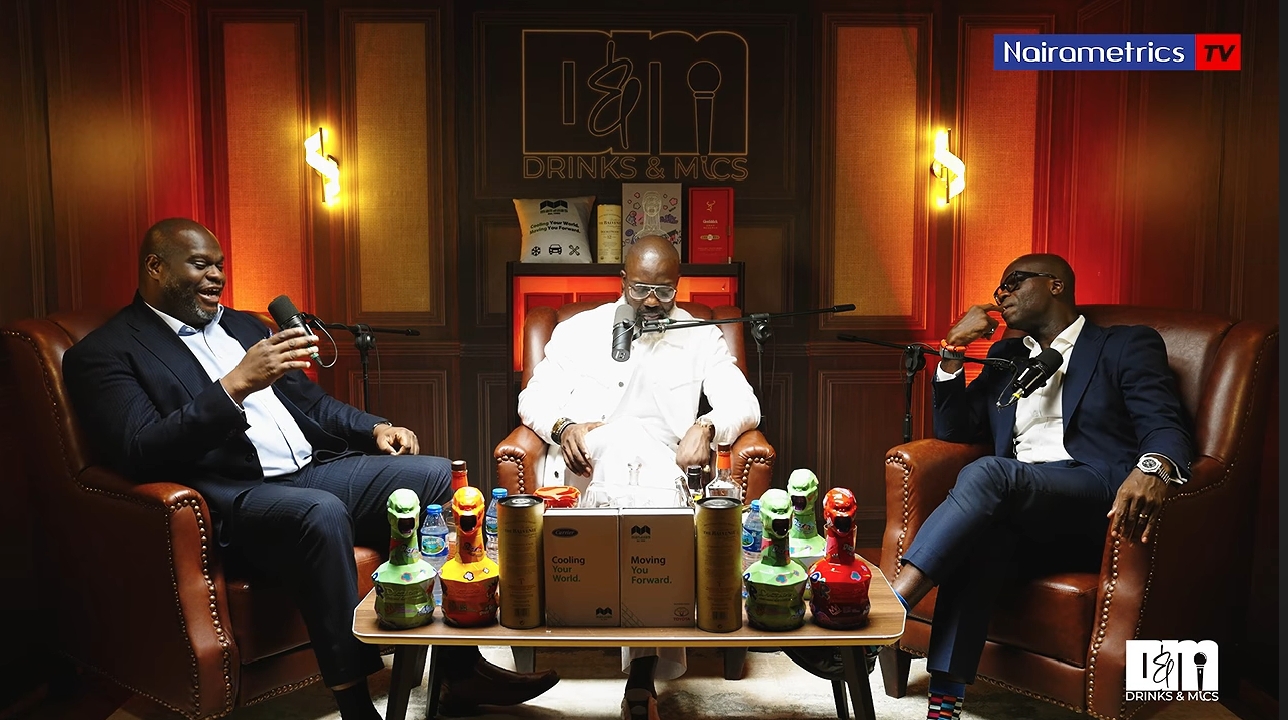
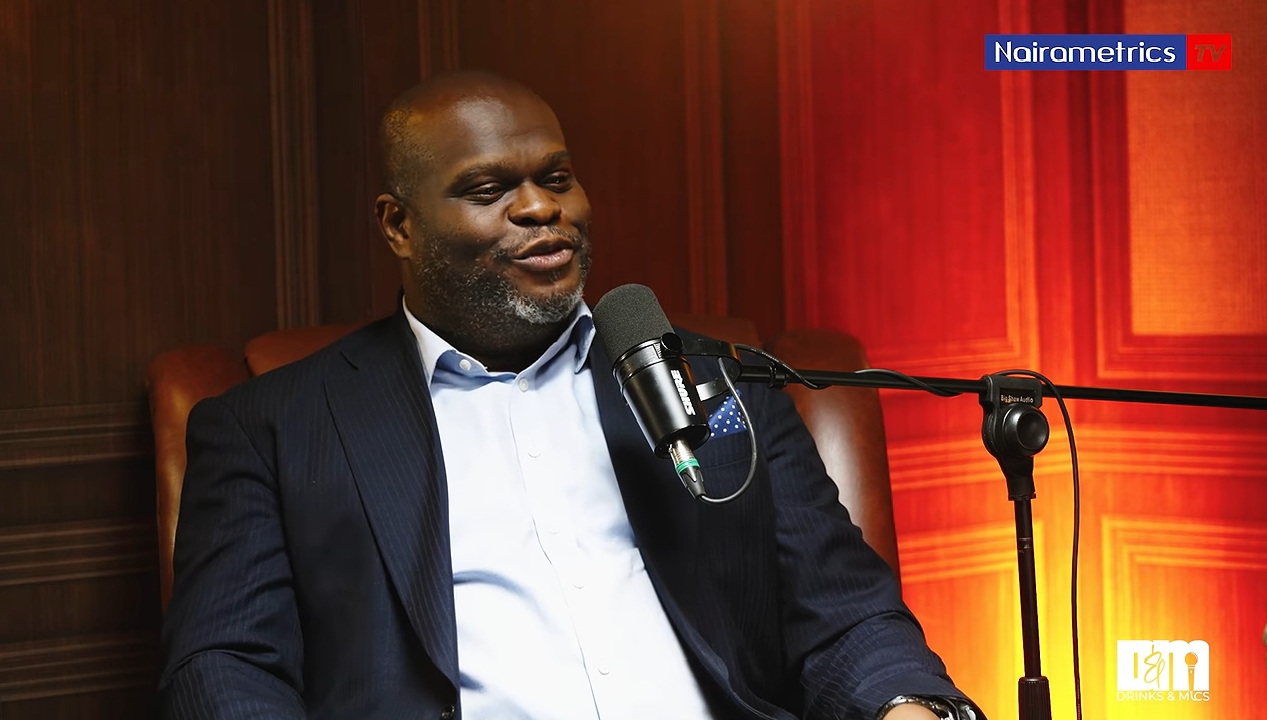
Speaking on Nairametrics’ Drinks & Mics, he described how the firm chooses projects, what has worked, what has not, and where the next opportunities sit. Here are the ten clearest takeaways.
He Backs Track Records, Not Scripts
“We are financiers,” Adebiyi says. MBO does not attempt to judge whether a story is good or bad. It backs filmmakers who have already finished and distributed films and who understand the market. The firm is not yet ready to fund first-timers. Pitches arrive almost daily, so MBO is assembling a creative advisory board of industry practitioners to help filter them. A documented history of completed work is becoming the basic requirement for institutional capital in Nollywood.
Film Meets All Five of His Investment Themes
MBO invests according to five priorities: job creation, female and youth empowerment, support for homegrown businesses, import substitution, and export promotion. Adebiyi argues that film scores on every count. The workforce is young, women occupy many senior creative roles, the stories are local, and international platforms still pay in dollars. For this kind of investor, a film is as much a jobs and foreign-exchange story as a creative one.
His First Film Investment Returned Just 1.3x
In 2017, MBO put roughly ₦20 million (about 40,000–50,000 at the time) of equity into three films. The return was 1.3 times the capital, but it took four to five years, equivalent to a single-digit internal rate of return. Adebiyi calls the experience formative. It forced the firm to learn the entire film value chain.
The Amazon Slates Delivered the Easiest Money
The stronger returns came later. MBO financed two slates of roughly ten to twelve films each for Amazon, largely through dollar-denominated debt at around 19 percent over twelve to eighteen months. With a committed blue-chip buyer in place, the main risk was execution. Adebiyi puts the overall success rate across those portfolios at 75 to 80 percent and admits the deals sometimes felt almost too straightforward. A signed buyer contract, rather than traditional collateral, made the lending possible, something Nigerian lenders have long found difficult when dealing with creative intellectual property.
When Commissioning Slowed, MBO Shifted to Hybrid Financing
That window has narrowed. Major platforms reduced or stopped commissioning Nigerian originals. What remains is mostly licensing of finished films, often after a theatrical run and frequently limited to African territories. For MBO, the change ended the case for pure debt. The firm now blends equity and debt, targeting roughly 2x cash-on-cash returns and 35 to 45 percent IRR in dollars. One $100,000 deal has so far returned 1.7x. These are benchmarks, not a long track record, but they offer a rare public reference point for what an institutional equity investor expects from a Nigerian film. Risk has shifted. When a platform commissions, it carries the cost. When it only licenses, cinemas, producers and financiers must prove the film first at the box office.
Post-Production Is the Persistent Dollar Leak
Ask Adebiyi what worries producers most, and he points to post-production and distribution. Scripts, crews and locations are paid in naira, yet colour, sound and visual effects are routinely done abroad, in London or South Africa, creating a foreign-exchange cost. A typical budget splits about 70 percent to production and 30 percent to marketing and distribution. Local facilities for finishing work would keep more dollars in Nigeria and shorten the path from shoot to release.
Nollywood 2.0 Means Making Films Local Enough for Global Audiences
Africa accounts for only about 3 percent of the global box office, so purely domestic films face a natural ceiling. Adebiyi’s answer is larger budgets, stronger talent packages and serious international distribution. His reference point is a roughly $4 million project featuring high-calibre African talent and a distributor with proven global reach. He is not dismissive of the local market—he notes one recent modestly budgeted film that approached ₦900 million, but he believes the next stage of growth requires a wider horizon.
MBO Has Doubled Its Nollywood Spending Every Year Since 2021
The scale of the commitment is significant. MBO has financed about 45 films since 2017 and has doubled its spending on the sector every year since 2021, heading toward roughly ₦7.5 billion this year. Adebiyi describes the creative industries as Nigeria’s services equivalent of oil and gas, noting that entertainment spending remains deeply embedded in local culture.
He Would Build Infrastructure Before Funding More Films
Given $1 billion for the sector, Adebiyi says he would not put the money into individual films. He would build studios, post-production facilities, and training programmes, patient capital infrastructure that short-term debt cannot easily support. Nigeria had 122 cinemas and 369 screens in 2025, with modest growth projected. For a population of more than 200 million, the physical base remains thin. MBO is raising a creative fund, planning a Lagos studio, and is involved in a large arena project expected around mid-2028.
Africa Has Undervalued Its Intellectual Property
On streaming, Adebiyi is realistic about the competitive gap. No African platform can currently match the content budgets of the global giants. His practical advice is to make films good enough for those platforms to acquire. His sharper observation concerns intellectual property. He argues that Africans have rarely valued or leveraged their IP properly. Better protection of IP and clearer data on what films actually earn across all windows would make it easier for institutional capital to enter. Theatrical reporting has improved, but financing-grade information on licensing and ancillary revenue is still thin.
Watch Full Interview Here
In Summary
Money is arriving in Nollywood, yet it follows proven delivery more than raw talent. The theatrical window has become the necessary proof of concept. Dollar costs and dollar buyers continue to shape almost every financing decision. The largest remaining gaps are not ideas but infrastructure and reliable data. Filmmakers who build verifiable records, understand their own numbers, and can speak to economic impact as well as story will find the clearest path to institutional capital.
Thanks for Reading.
Shockng.com covers the big creators and players in the African film/TV industry and how they do business.
Let’s be friends on Instagram @Shockng