The Story⚡
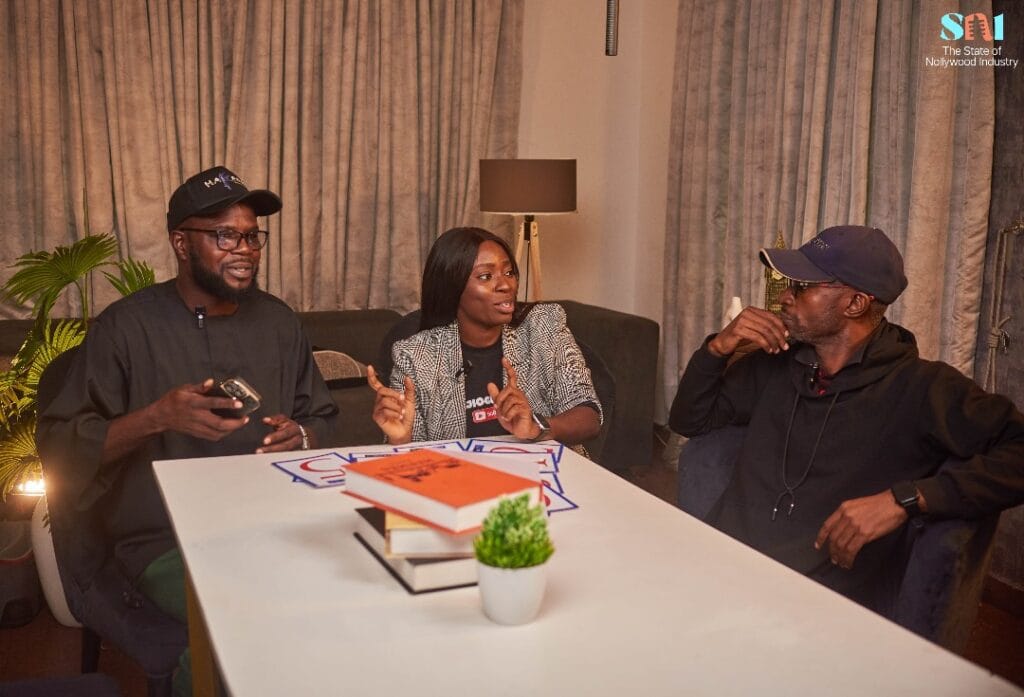
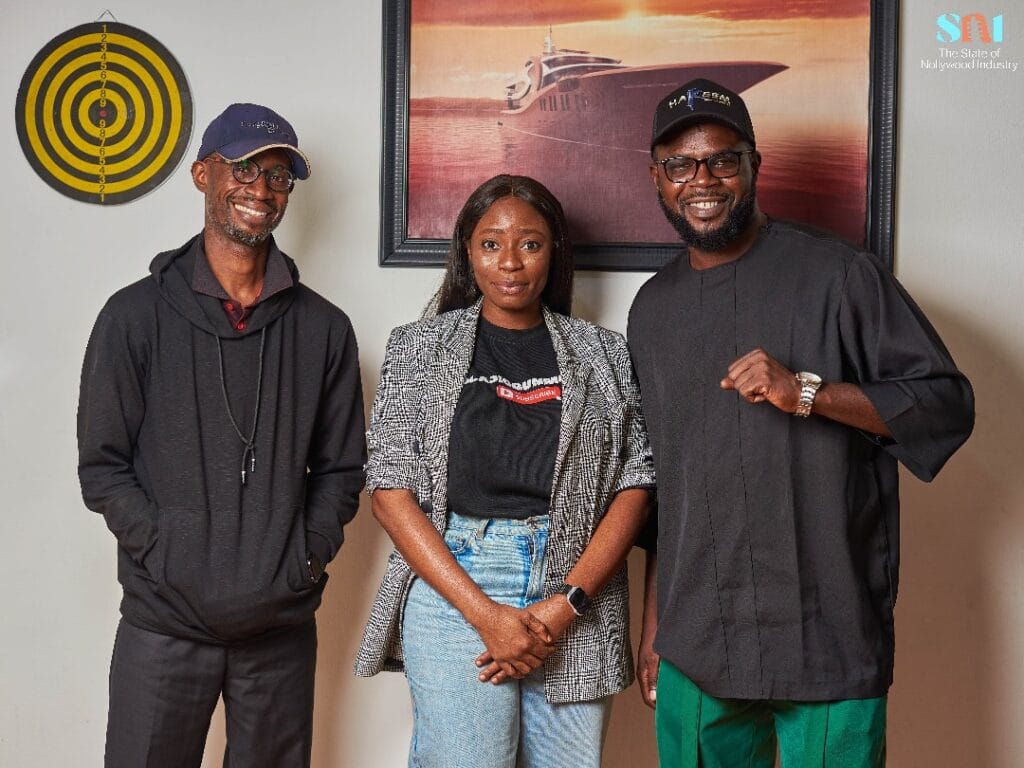
In Episode 8 of State of Nollywood Industry Table Talk, three experienced filmmakers, JJC Skillz, Bolaji Ogunmola, and Femi D. Ogunsanwo, sit down to give an honest evaluation of Nollywood today, grading the industry across five key areas and explaining the day-to-day realities they face.
Tell Me More
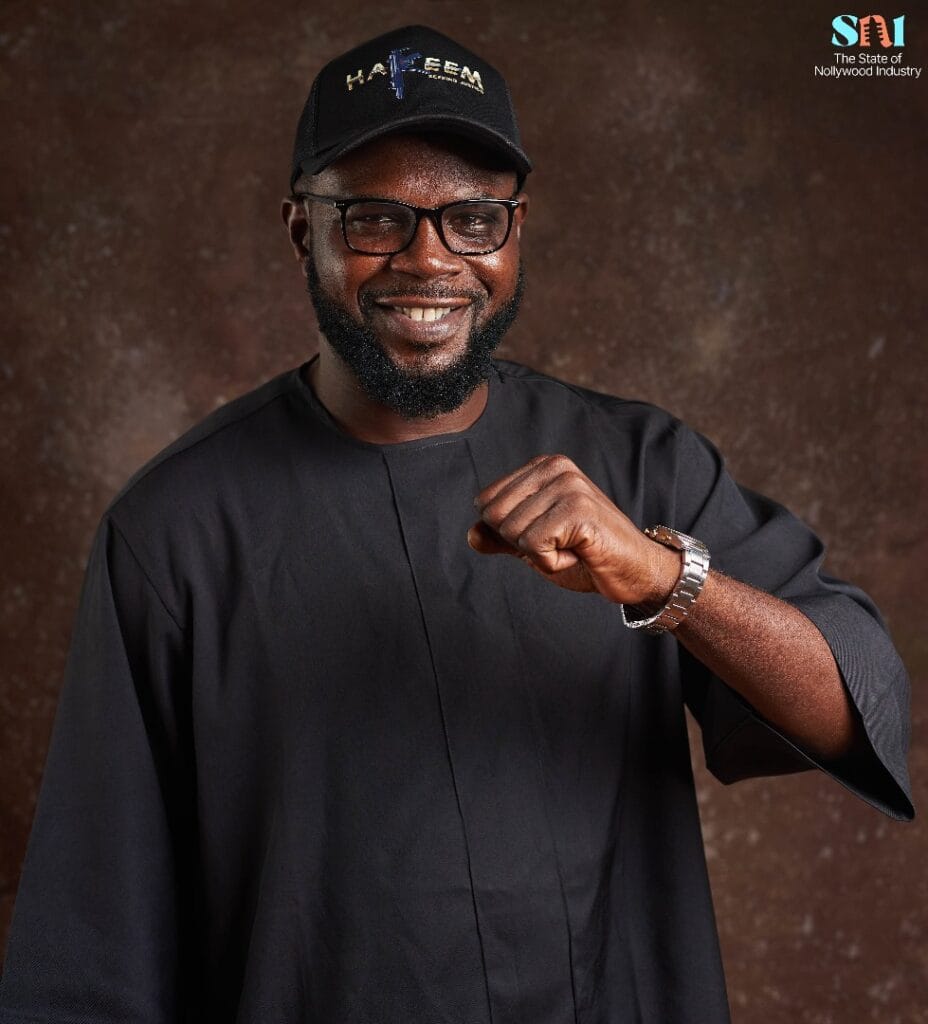
Episode 8 of State of Nollywood Industry Table Talk features JJC Skillz (director of the action film Hakeem Seeking Justice), Bolaji Ogunmola (founder of The Ogunmola Company), and Femi D. Ogunsanwo (showrunner of Masquerades of Aniedo and veteran of over 130 episodes). Together, they examine the current state of the industry.
Infrastructure & Production – 2/5
There are no functioning studios, no equipment rental houses that can be relied on, and no support crews. JJC Skillz reveals he had to film his entire movie twice in pre-production just to test the feasibility because nothing else existed. Most directors still work as “one-man armies,” handling everything from casting to catering.
Talent & Creative Development – 1/5
From 2,100 auditions, only 200 actors were considered usable. The guests agree the idea of an “abundant talent pool” is a myth; less than 10 % of people who show up are ready for professional sets. Formal training is almost non-existent, and on-set learning is the only path available.
Funding & Investment – 0–1/5
Government support for film production is zero. Private investors are scarce and demand impossible returns. Filmmakers routinely empty personal savings or sell assets. JJC Skillz funded the two-year production of Hakeem Seeking Justice largely from his own pocket and a handful of private backers.
Distribution & Exhibition – 0/5
Cinemas take 65 % of ticket revenue and often pull Nigerian films after two weeks, regardless of performance. Bolaji Ogunmola describes having to personally visit cinema managers and “hawk” her own films for screens. Distributors charge 10–15 % while doing little beyond sending a hard drive. The same complaints heard in 2011 are still heard in 2025.

The conversation also touches on the reduced commissioning from Netflix and other streaming platforms, the difficulties of making action films without proper stunt and insurance support, and the fact that many of the same distribution issues present in 2011 are still present in 2025.
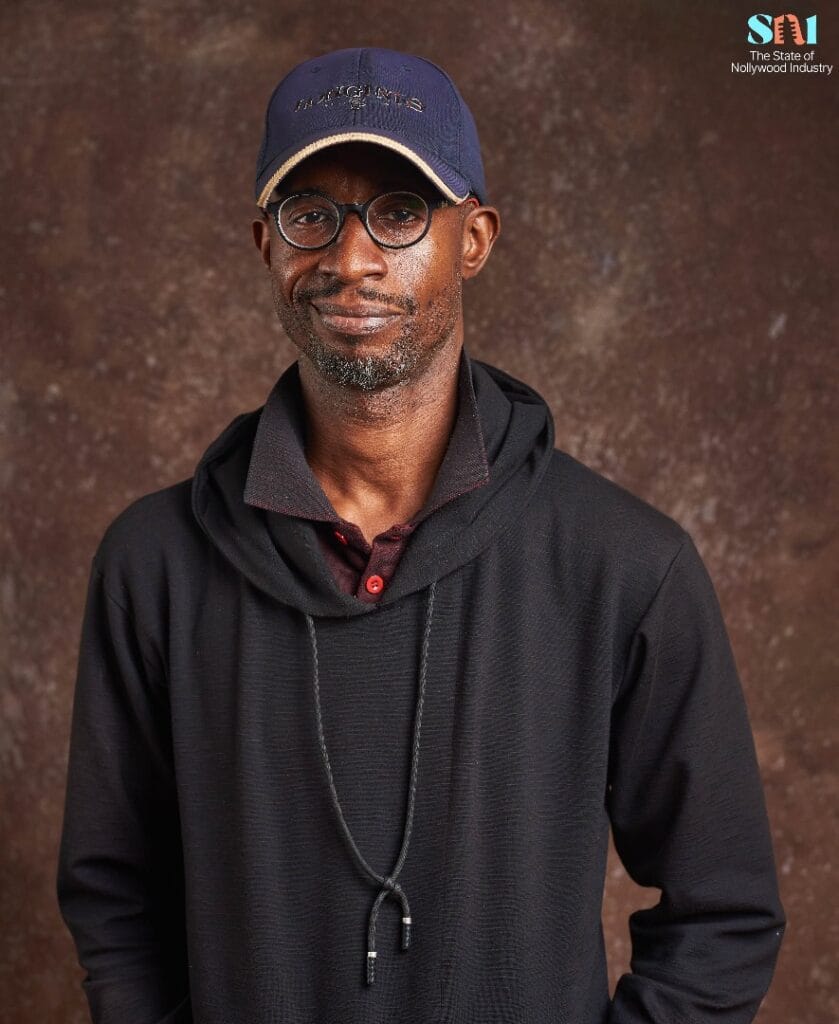
JJC Skillz sums it up: “We literally operate solo. If you make it, you make it. If you don’t, you fall.”
This is the most direct public assessment Nollywood has received in years—no polish, no optimism, just the numbers and the lived experience of three people who have spent over a decade inside the system.
In Summary
Episode 8 offers a clear-eyed look at the practical obstacles Nigerian filmmakers continue to face.
Catch it on Shock Africa’s YouTube channel, and stay tuned for Episode 9 of State of Nollywood Industry Table Talk on Shock Africa, where more industry professionals will discuss additional topics shaping the future of Nigerian cinema.
Thanks for Reading.
Shockng.com covers the big creators and players in the African film/TV industry and how they do business.
Let’s be friends on Instagram @Shockafrica