The Story⚡
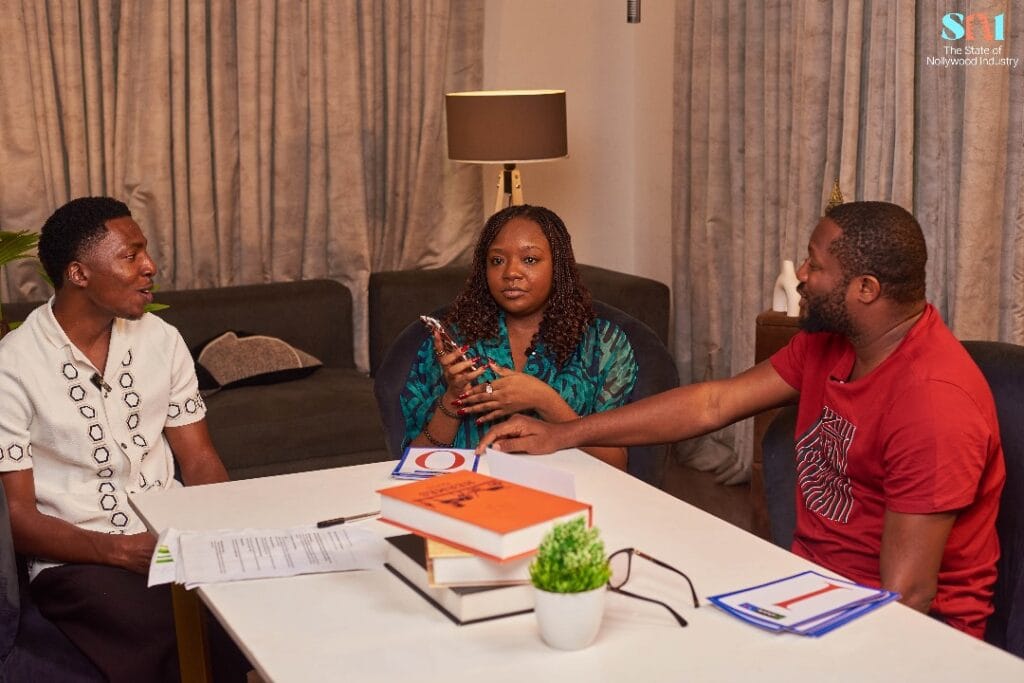
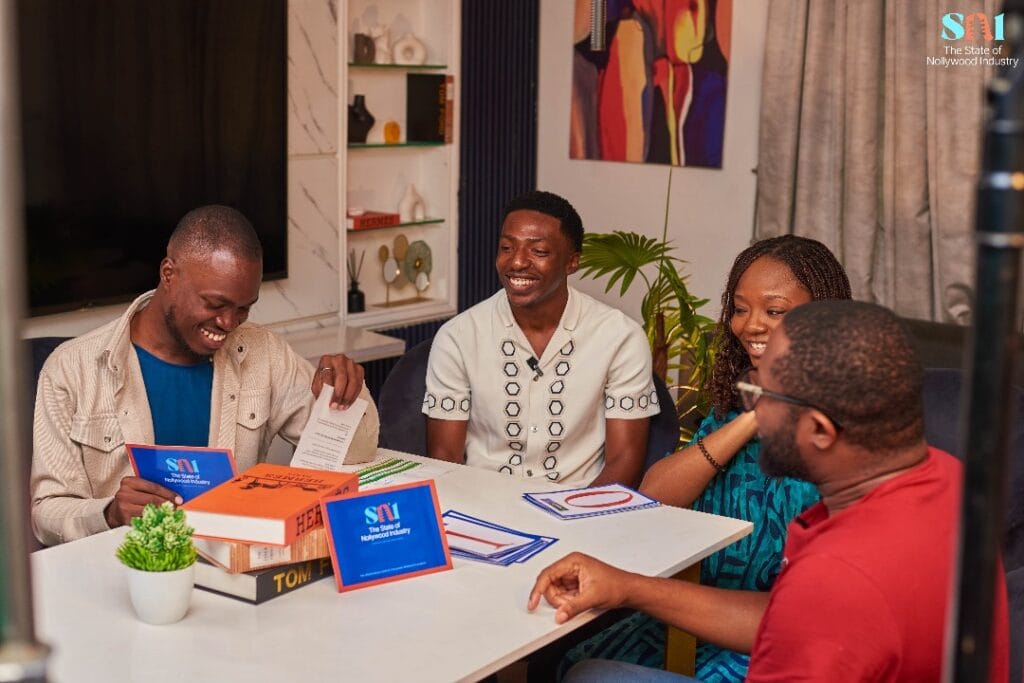
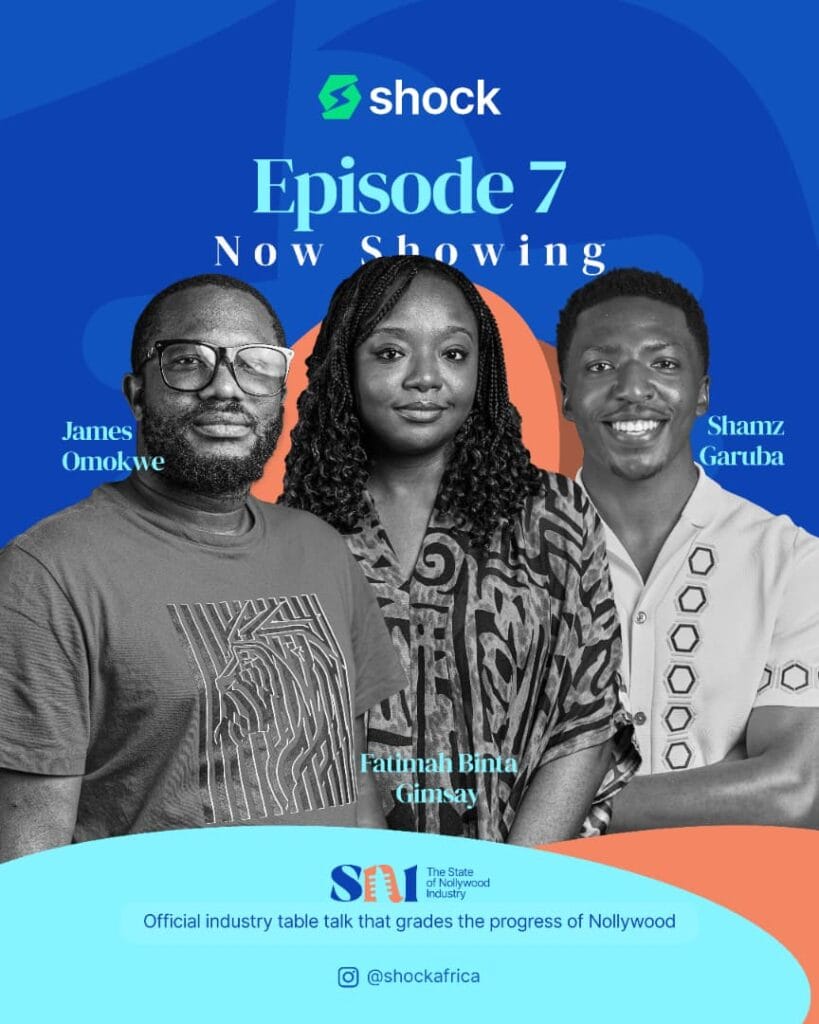
On the latest episode of State of Nollywood Industry Table Talk, James Omokwe, Fatimah Binta Gimsay, and Shamz Garuba spoke about their careers and the painful truth about exactly why Nollywood is stuck, and what it will actually take to move.
Tell Me More
In episode 7 of State of Nollywood Industry Table Talk, James Omokwe, Fatimah Binta Gimsay, and Shamz Garuba, who have paid high dues, sat at the same table and refused to sugar-coat anything.
James Omokwe’s first film, Awakening, made ₦1.4 million and left him in debt he is still paying. That single experience taught him what no film school ever could: in Nollywood, one flop can finish you. So he moved to television, learned how to stretch stories across seasons, and is only now attempting a theatrical comeback with Osamede. His journey is the classic Nollywood survival manual — fall, crawl, rebuild, repeat.
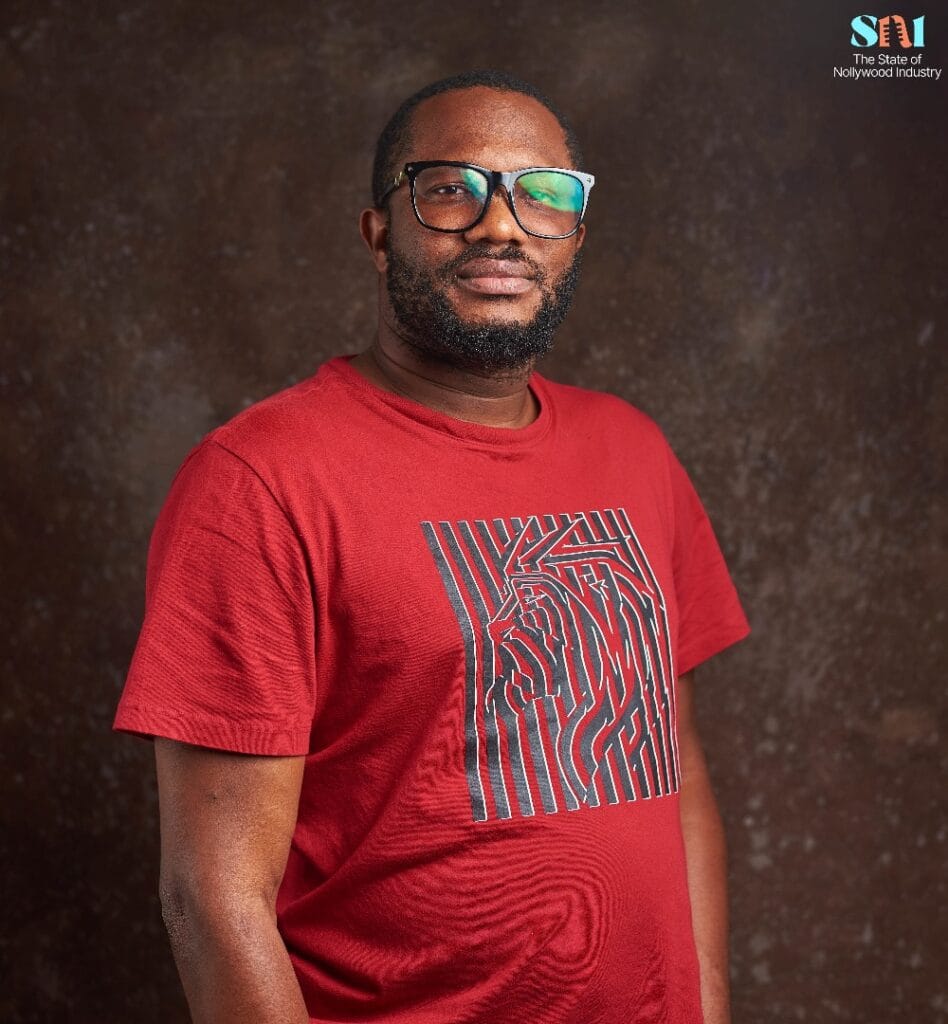
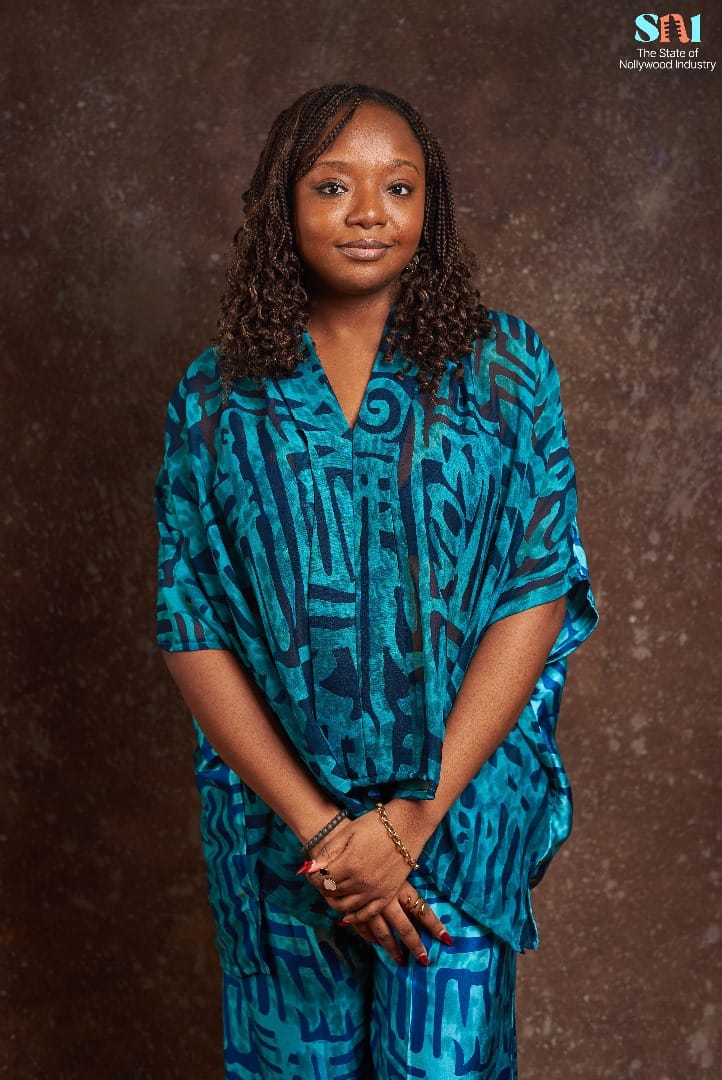
Fatimah Binta Gimsay lived in the “comfortable bubble” of commissioned TV writing until she got tired of watching other people control her scripts. She co-produced Low Key Adults and started July Films. The leap from writer to producer is the leap from eating regularly to gambling your savings on scripts that may never see a cinema screen. She did it anyway, because the alternative was staying powerless.
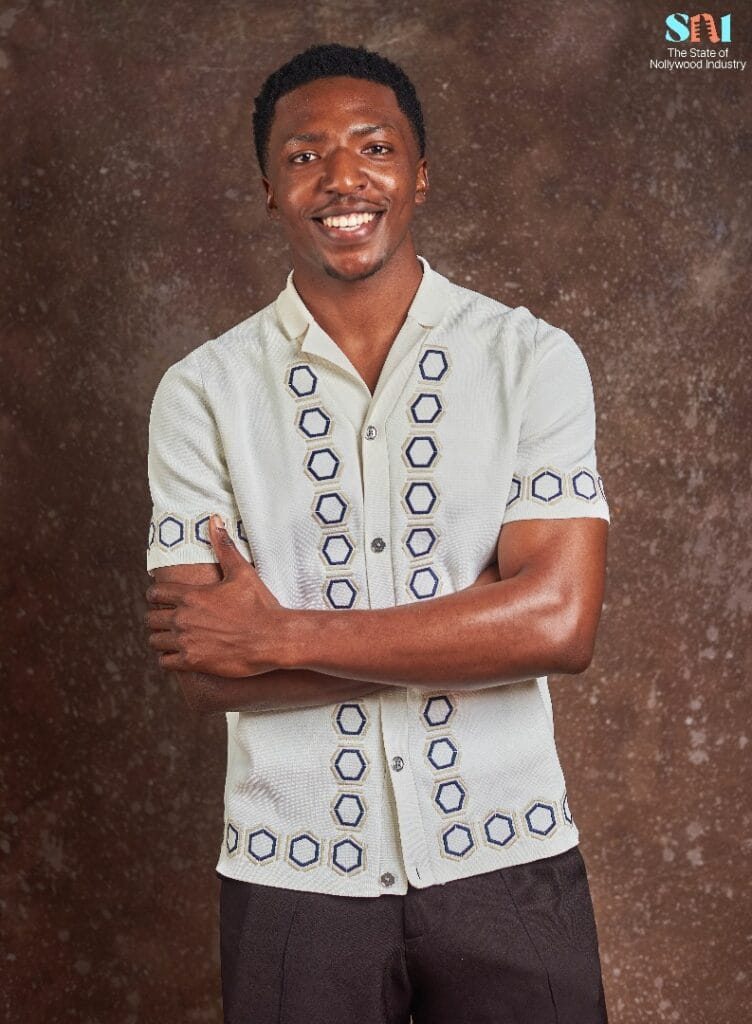
Shamz Garuba just came back from the set of Children of Blood and Bone. Four months of decent catering, working equipment, and budgets that actually match the ambition. He is now spoiled for Nollywood’s usual chaos and has decided he will only act in projects that meet a certain standard. His presence at the table was the clearest proof yet that Nigerian actors no longer have to accept substandard conditions — they can simply walk away until the industry catches up.
Together, they graded Nollywood like disappointed parents: Infrastructure (1/10), Distribution (1/10), Funding (2/10), Talent Development (3/10), and Government Policy (3/10).
They explained why a family of four now spends ₦30,000 for one cinema visit. Why university students they met had never stepped inside a proper cinema and only knew films through YouTube rips. Why investors “swear by their ancestors” never to touch another Nollywood project after seeing inflated budgets and zero transparency. Why you can find almost any Hollywood script online, but will never see a Nollywood script outside the producer’s bedroom.
They talked about the Bank of Industry funding, which sounds good on paper but rarely reaches the people who actually need it. About the fact that TV pays bills while cinema can bury you. About how Korean cinema built a global brand on authentic local stories, while Nollywood is still begging for the foreign validation it doesn’t need.
And yet, none of them sounded defeated. Tired, yes. Frustrated, definitely. But defeated? Never. They all believe Nigerian stories, told properly, can feed an entire ecosystem the way K-dramas and K-movies now feed Korea’s.
In Summary
This conversation was painful, necessary, and hopeful. Episode 8 is coming, and more insiders who have even less reason to be polite have agreed to sit at the table. If you want to know what Nollywood could look like in five years, and what must change for it to get there, stay tuned. You won’t want to miss what they say next.
Thanks for Reading.
Shockng.com covers the big creators and players in the African film/TV industry and how they do business.
Let’s be friends on Instagram @Shockafrica