The Story⚡
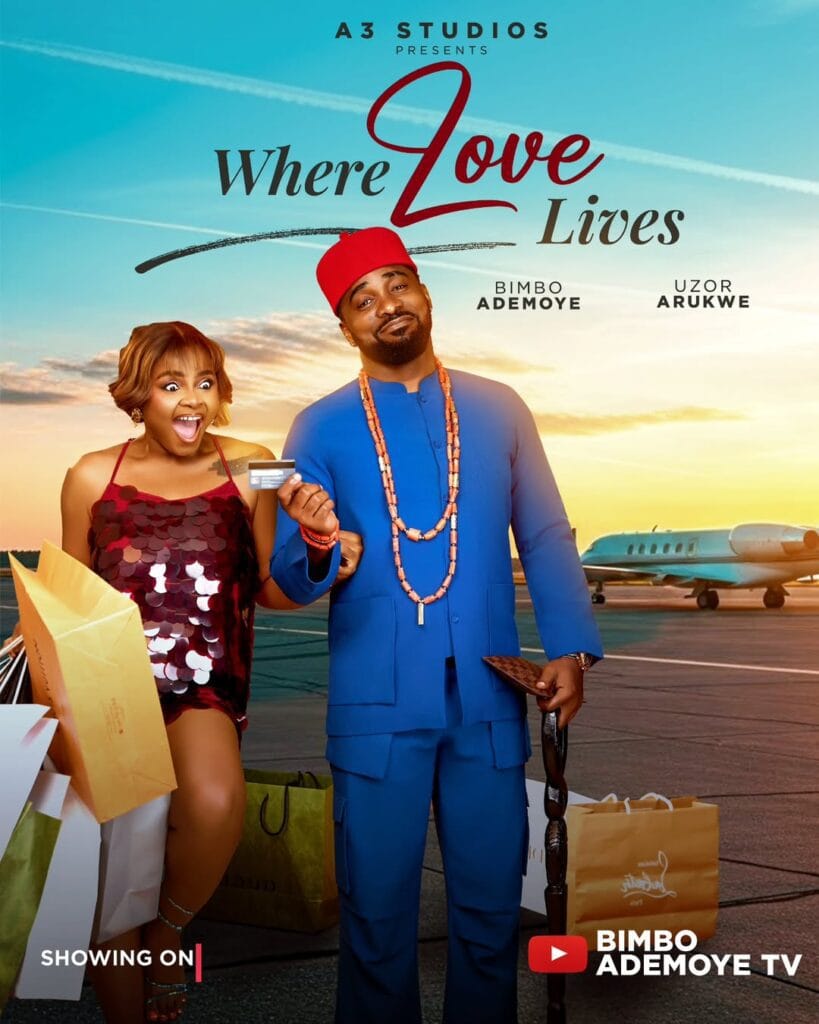
Bimbo Ademoye’s Where Love Lives premiered on her YouTube channel on December 24, 2025. It quickly became a hit, reaching 2.5 million views on the first day. As of now, the film has crossed 15 million views.
Fans have loved the story and performances, and many have wondered about the financial side. One figure thrown around was $12,500 from the early views alone. The reality, though, is far more ordinary.
Tell Me More
YouTube does not pay a fixed amount for each view. Creators earn from ads that run before, during, or next to their video, but only on views where an ad is watched or fully loads. These are called monetised views. The amount depends on several factors: where the viewers are from (higher payments from places like the US, UK, or Canada), how many ads play successfully, the length of the video (this film is over two hours, allowing room for more ads), demand from advertisers at the time, and the type of content.
The two main terms to understand are CPM (the amount advertisers pay for every 1,000 ad shows) and RPM (the amount the creator retains per 1,000 total views after YouTube deducts its 45% cut).
For Nollywood films on Nigerian channels, which draw most viewers from Africa, RPM often falls between $0.10 and $0.40 per 1,000 views. With a stronger mix of diaspora viewers from higher-paying countries, it can reach $0.50 to $0.80. Hitting $1.00 or above is less common for entertainment content, as it typically requires a large audience from wealthier markets and ads from premium categories, such as finance or technology.
For Where Love Lives, with its current 15 million views, here are straightforward estimates:
At a conservative $0.20 RPM, typical for mostly African audiences, the film would earn around $3,000.

At a stronger $0.50 RPM, possible with good international reach, earnings would be about $7,500.
In an exceptional scenario with a $1.00 RPM, requiring heavy viewership from the US, UK, or Canada, the total could reach $15,000.
Much higher amounts would need RPM levels of $5 or more, which almost always come from content targeted at premium markets with luxury brand ads. For a Nigerian-based Nollywood release, that is very unlikely, even with impressive view numbers.
These are estimates based on common rates in the niche. Actual earnings can vary slightly and will continue to grow as more people watch and new ads run over time.

The Strength of Bimbo Ademoye TV
Promotion and Brand Collaborations

Building Community Engagement
In Summary
Modest per-view rates do not diminish the value of this approach. By releasing directly on YouTube, creators keep complete ownership of their films, avoid sharing revenue with cinemas or middle platforms, get paid quickly with ongoing income, access direct viewer data for planning future work, and build stronger relationships for brand deals and sponsorships.
Thanks for Reading.
Shockng.com covers the big creators and players in the African film/TV industry and how they do business.
Let’s be friends on Instagram @Shockafrica