The Story ⚡
The Nollywood icon Genevieve Nnaji joins a star-studded cast in the BBC series adaptation of Nikki May’s Nigerian-British novel, with BBC Studios handling global distribution.

Tell Me More
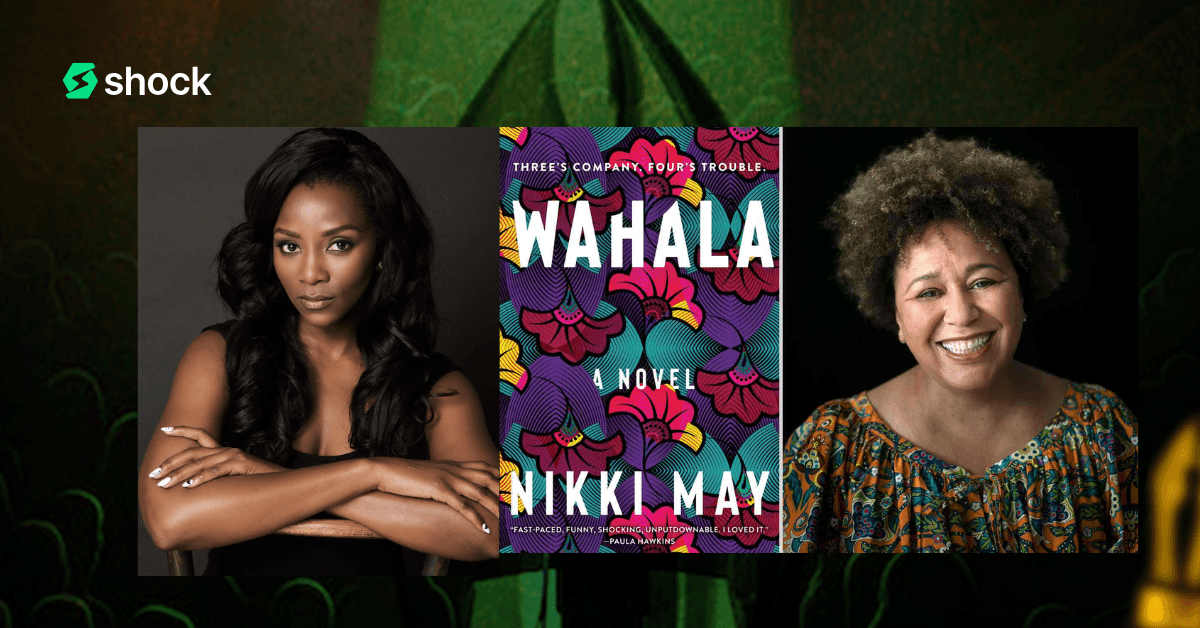
After seven years away from screens, Genevieve Nnaji is back. The Nollywood icon has been cast in Wahala, the BBC’s series adaptation of Nikki May’s debut novel, joining a lead ensemble comprising Cush Jumbo, Adelayo Adedayo, Susan Wokoma and Deborah Ayorinde. It is her first acting credit since Lionheart in 2018.
The series follows four Nigerian-British women in their thirties navigating careers, love and family in present-day London, whose carefully balanced world is disrupted when a charismatic and super-wealthy new acquaintance enters their orbit. Nnaji joins in a supporting role alongside the four leads.
Wahala is directed by Theresa Ikoko, Leonora Lonsdale and Remi Weekes. Ikoko co-wrote the critically acclaimed Rocks, earned a BAFTA nomination for her work, and wrote on HBO and Channel 4’s Get Millie Black. She also serves as executive producer alongside Nawfal Faizullah for the BBC, and Elizabeth Kilgarriff and Craig Holleworth for Firebird Pictures. Ado Yoshizaki Cassuto produces. BBC Studios handles global sales.
Nnaji is also attached as executive producer on I Do Not Come to You by Chance, the film adaptation of Adaobi Tricia Nwaubani’s novel, which is yet to be released. The project reflects her continued investment in shaping Nigerian stories at a commercial scale, both at home and internationally.
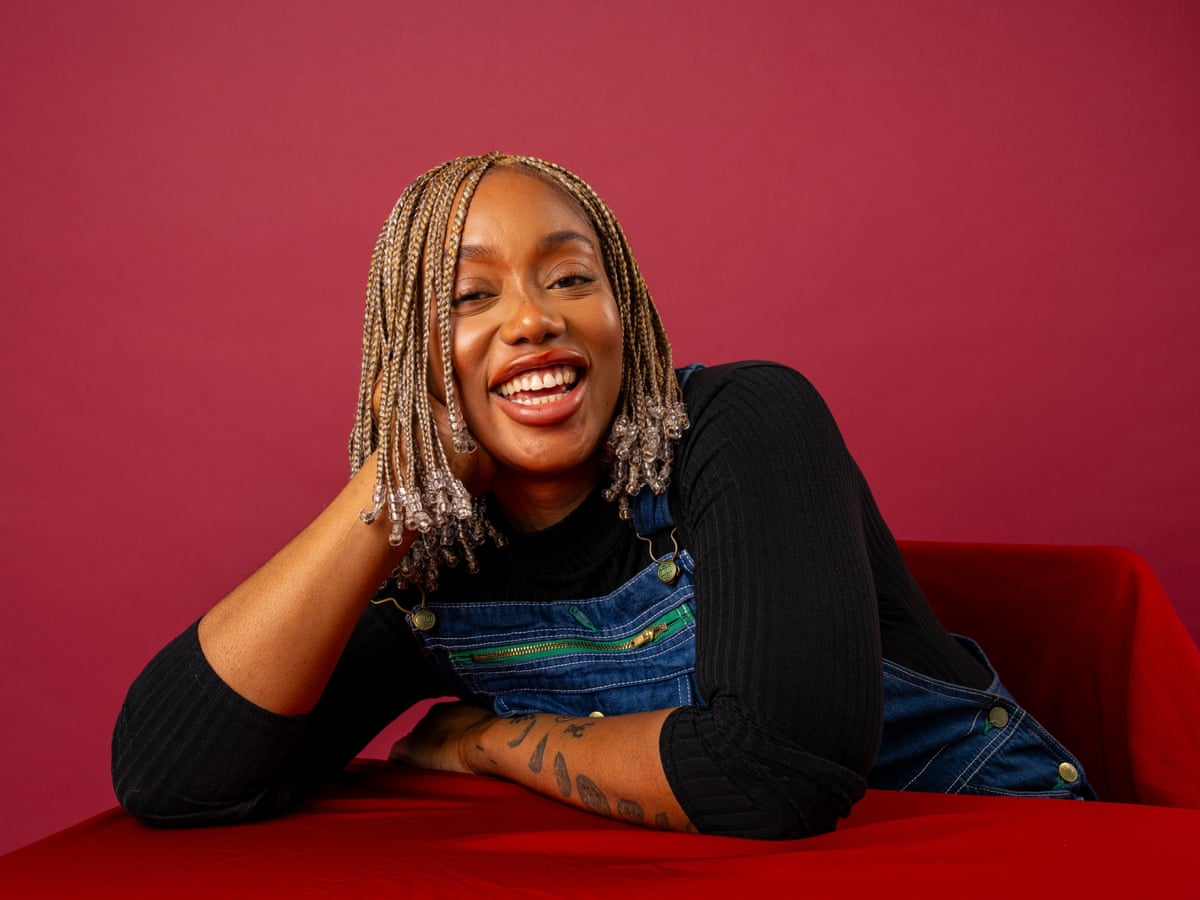
BBC Sets Cush Jumbo, Adelayo Adedayo, Susan Wokoma and Deborah Ayorinde as the Faces of Wahala
The casting of the four leads is not incidental to the story being told. All four actresses carry Nigerian heritage. Cush Jumbo was born in London to a Nigerian father and a British mother, Adelayo Adedayo is of Yoruba Nigerian descent born in London and raised in Dagenham, Susan Wokoma is a British actress of Nigerian descent born in Southwark, London, and Deborah Ayorinde was born in London to Nigerian parents before relocating to the United States.
The result is a cast whose real lives mirror the world the show is trying to portray. These are not actresses playing at the Nigerian-British experience from a distance. They are it. For a production built on the authenticity of that identity, the casting is as deliberate as it is commercially smart. BBC Studios is selling a story whose leads can speak to it from the inside.
A Nigerian World Made For TV
Wahala is not a Nigerian production. But it is a Nigerian story. Nikki May’s debut novel follows four Nigerian-British women whose friendship is tested by the arrival of a dangerous outsider. Its characters carry Lagos and London simultaneously. Its conflicts are shaped by family expectation, cultural identity and the particular pressure of building a life between two worlds.
That story is now being adapted by a Nigerian-British director, cast with some of British television’s most accomplished Black talent, and distributed globally by BBC Studios. Nigerian identity, long treated as a niche qualifier in international co-productions, is here functioning as a creative and commercial asset. BBC Studios is not selling Wahala in spite of its Nigerian roots. It is selling it because of them.
For the Nigerian creative industry, this is the export model worth studying. Not a Nollywood production acquired by a streamer, but a Nigerian story sourced from Nigerian literary culture, developed through the diaspora experience, and travelling through the highest levels of international television infrastructure. The pipeline is real. The question is how Nigeria positions itself closer to where the value is being created.
In Summary
Genevieve Nnaji’s return to screens in a BBC production, backed by global distribution and rooted in Nigerian storytelling, is more than a casting announcement. It is a signal about where Nigerian narratives are headed, who gets to tell them, and how far they can travel. With I Do Not Come to You by Chance still on the horizon, Nnaji’s next chapter looks less like a comeback and more like a recalibration built around the kind of stories only she can anchor.
Thanks for Reading.
Shockng.com covers the big creators and players in the African film/TV industry and how they do business.
Let’s be friends on Instagram @Shockafrica