The Story⚡
In 1993, Nigerians voted in what many called their freest presidential election. The winner was never sworn in. A powerful new documentary gathers voices from both sides of that unresolved chapter.
Tell Me More
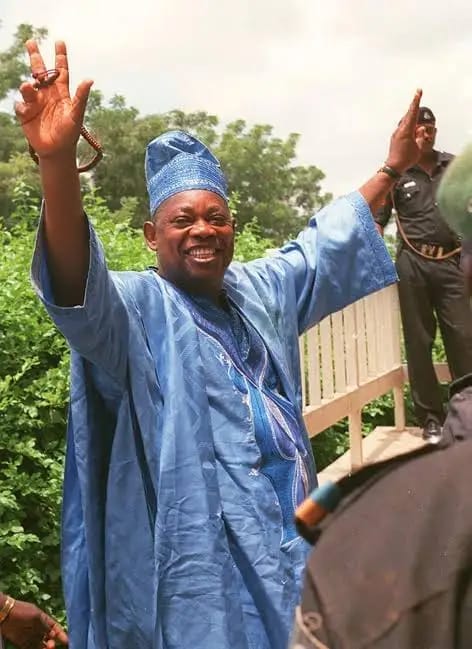
Director Ose Oyamendan’s feature documentary MKO examines the 1993 election annulment, the pro-democracy struggle, and Moshood Kashimawo Olawale Abiola’s final years through extensive interviews and archival material. Here are seven notable aspects of the film itself:
Broad Range Of Interviewees
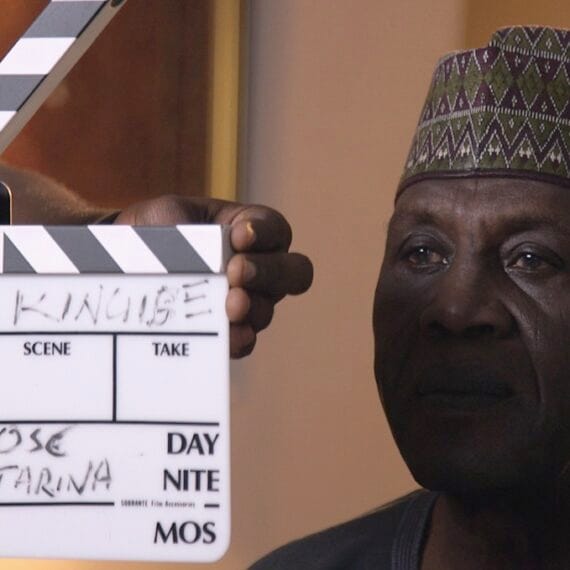
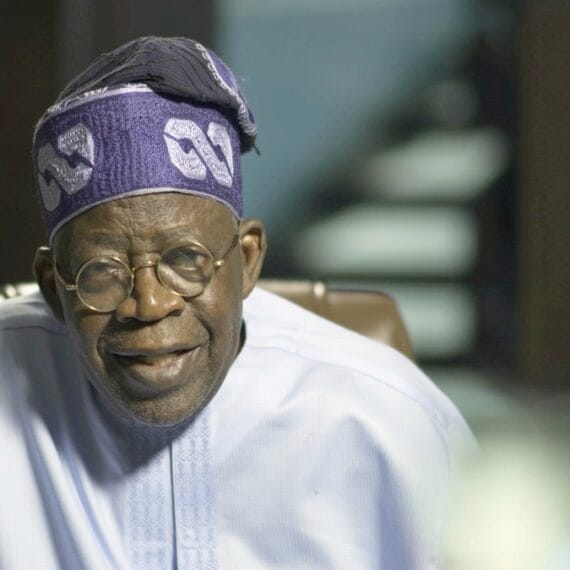
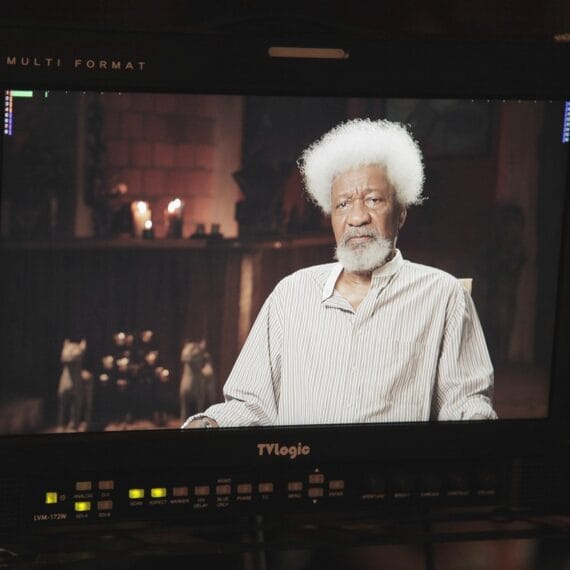
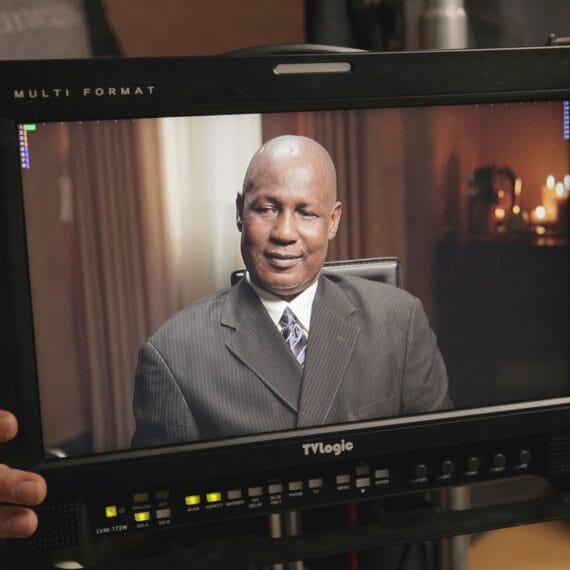
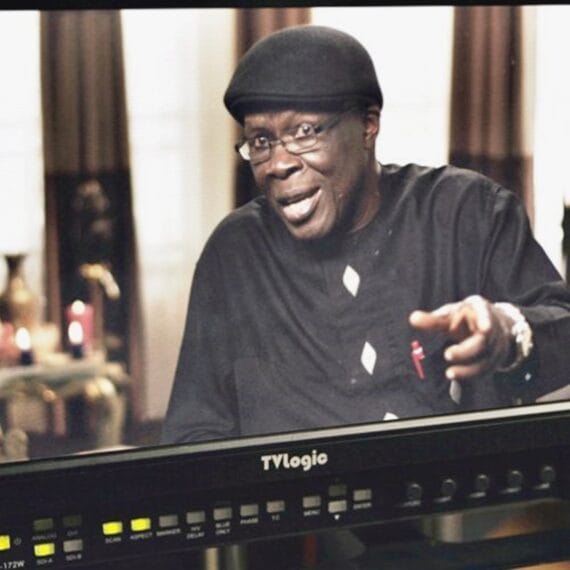
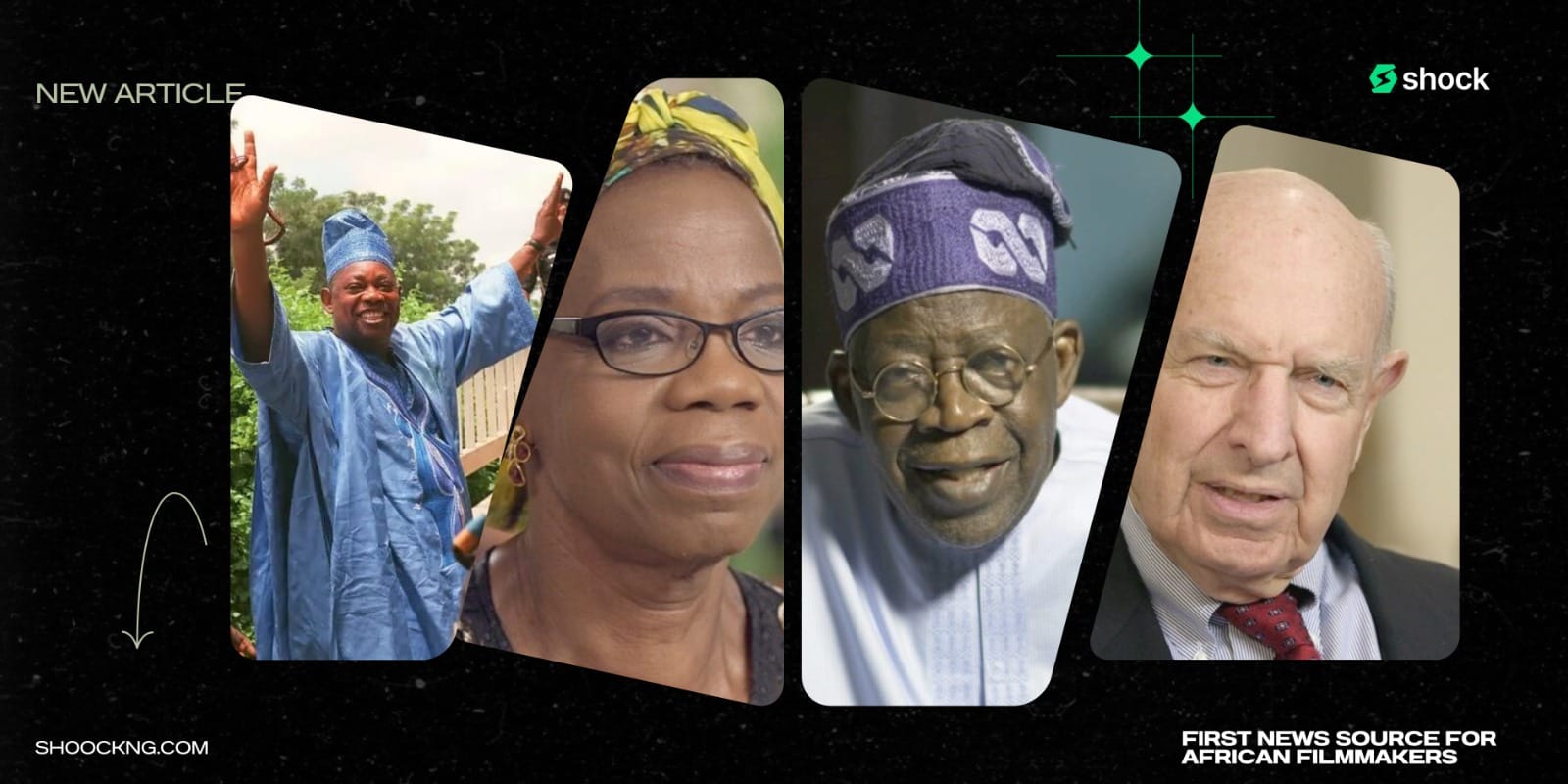
The documentary features participants from opposing sides of the events. It includes General Ibrahim Babangida (who annulled the election), General Abdulsalami Abubakar, former president Olusegun Obasanjo, electoral commission chairman Professor Humphrey Nwosu, and Abiola’s running mate Baba Gana Kingibe, alongside pro-democracy voices such as Professor Wole Soyinka and Senator Bola Ahmed Tinubu.
Family Perspectives
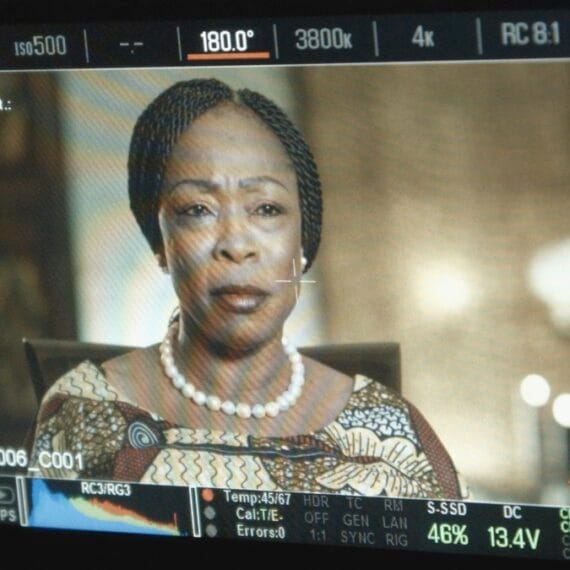
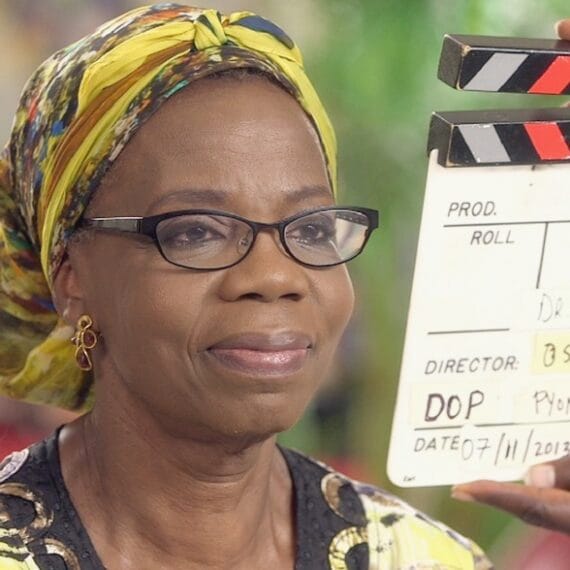
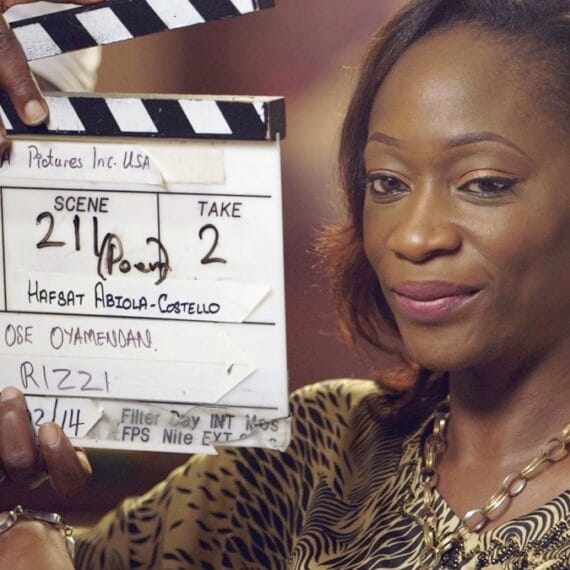
Abiola’s eldest daughter, Lola Abiola-Edewor, son Kola Abiola, daughter Hafsat Abiola-Costello, and wife Doyin Abiola share personal accounts of the period, offering intimate insights into the human cost of the political crisis.
Inside Views From Detention
One distinctive voice is Theodore Zadok, who served as Abiola’s guard during his imprisonment, providing a rare firsthand description of conditions in detention.
International Diplomatic Voices
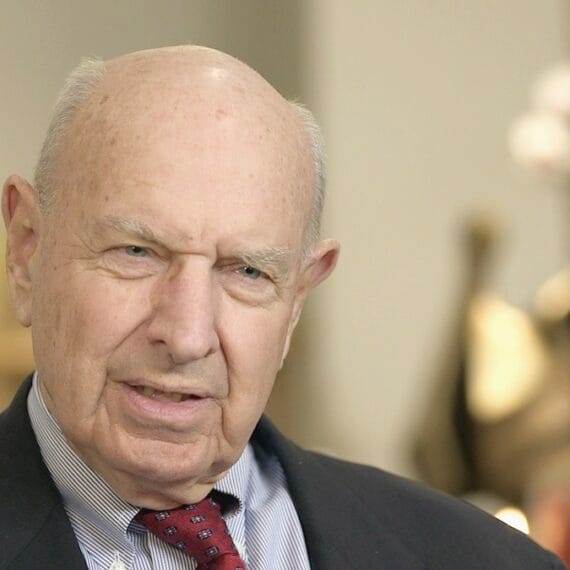
The documentary includes testimony from US Undersecretary of State Thomas Pickering, former US Ambassador Walter Carrington, New York Times reporter Howard French, Canadian High Commissioner Gerald Ohlsen, and British Deputy High Commissioner Robin Gorham, adding global context to the Nigerian events.
Production Credentials
Nigerian-American filmmaker Ose Oyamendan directs the project. It is produced in association with three-time Academy Award-winning documentary filmmaker Mark Jonathan Harris and Veronique Bernard, giving it a strong international documentary pedigree.
Access To Key Figures
Several interviewees, including Babangida and Nwosu, had rarely spoken at length on camera about their specific roles. The documentary captures their reflections years later on the decisions and consequences.
Focus On Unresolved Questions
Rather than a single narrative, the documentary presents multiple perspectives on the annulment, the detention period, and the circumstances of Abiola’s death on 7 July 1998, allowing viewers to engage with the complexity and differing recollections of the same events.
The documentary draws on rare archival footage and is positioned as an investigative look at one of Nigeria’s most significant political moments. It is scheduled for its world premiere at Sheffield DocFest in 2026. No cinema release date or streaming platform has been announced yet, but we will track updates for those interested.
In Summary
MKO brings together voices that have seldom appeared alongside one another, creating a layered account told by those who shaped, resisted, or witnessed the events. For many viewers, it offers new details and personal dimensions to a story that remains central to Nigeria’s democratic journey.
Thanks for Reading.
Shockng.com covers the big creators and players in the African film/TV industry and how they do business.
Let’s be friends on Instagram @Shockafrica