The Story ⚡
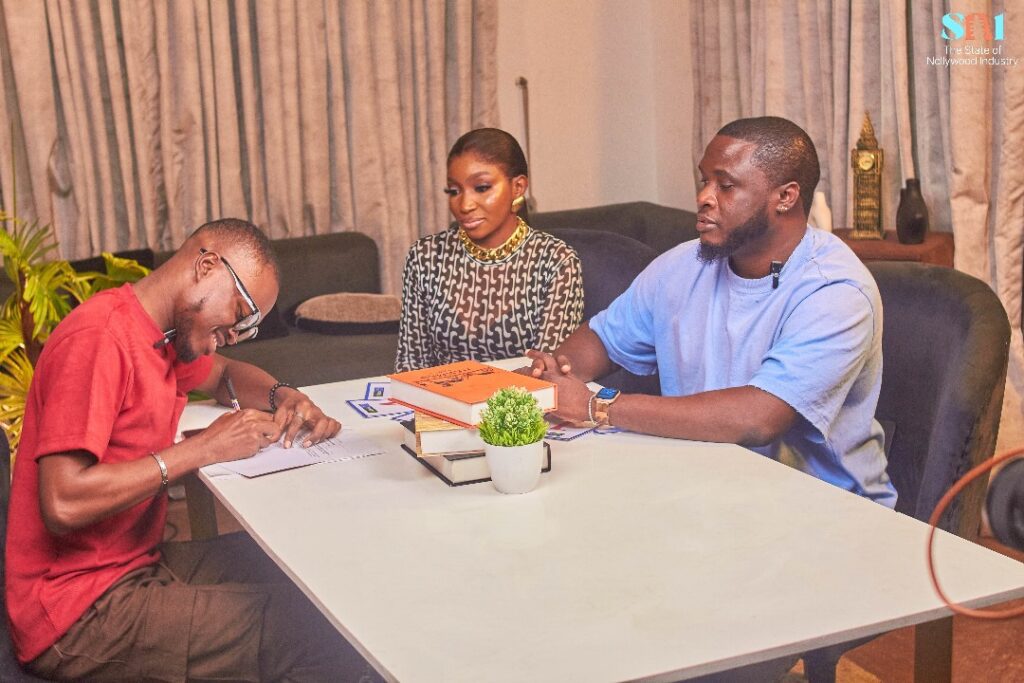
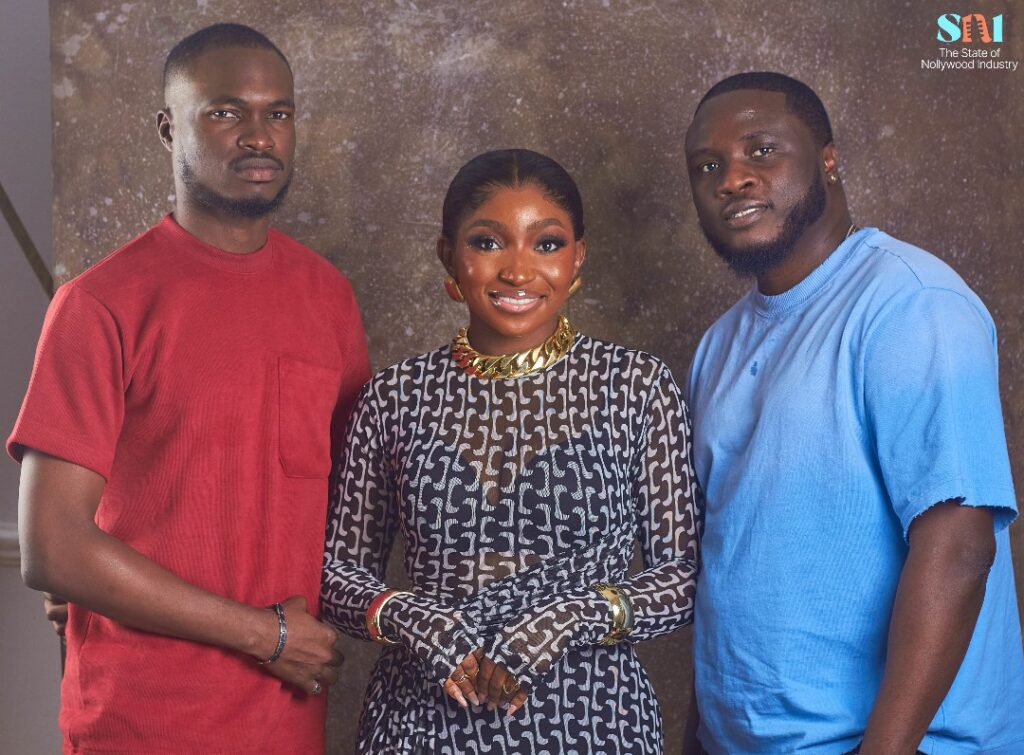
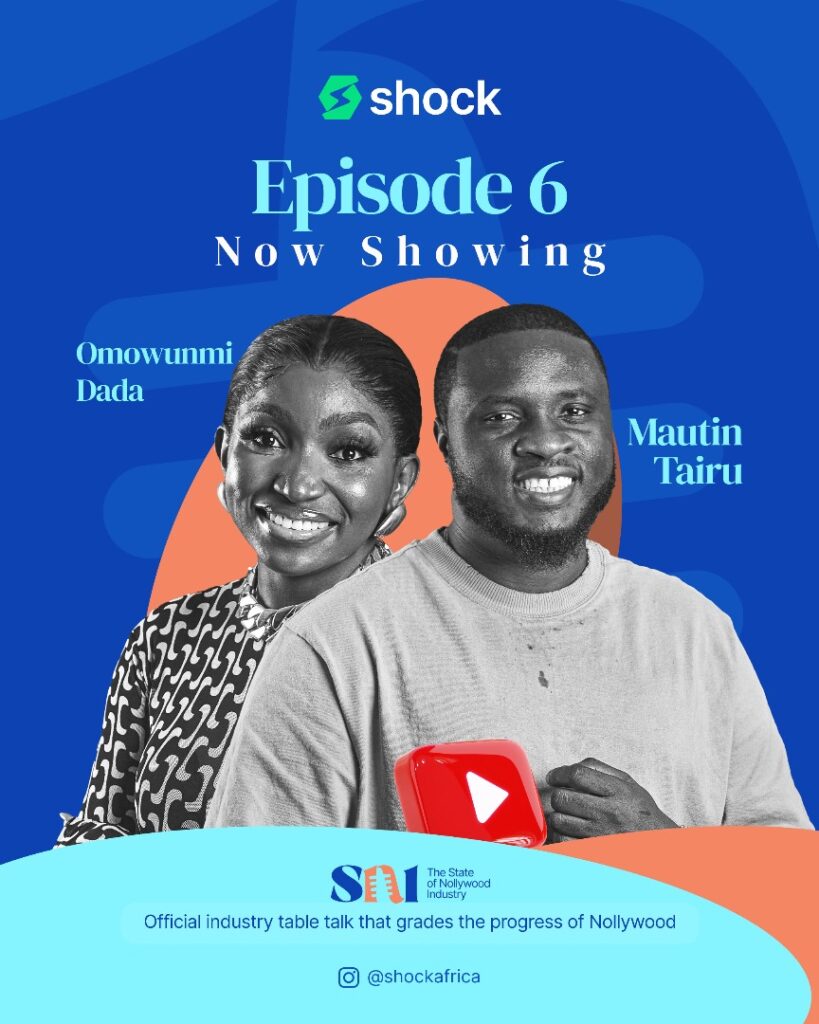
Episode 6 of State of Nollywood Industry: Table Talk features actress Omowunmi Dada and talent manager Mautin Tairu examining the financial strains on Nigerian actors since major streaming platforms reduced their involvement.
Tell Me More
In Episode 6 of State of Nollywood Industry: Table Talk, it opens with personal updates from the guests. Omowunmi Dada describes her recent activities, including appearances in films that premiered in cinemas and on streaming platforms, work on her production company, and recovery from surgery. Mautin Tairu discusses closing deals, signing new talent, and developing brands, along with ongoing productions.
Omowunmi Dada announces her new production company, Signature Ring Studios, which will focus on African stories, particularly those embracing Yoruba culture, language, and traditions, to create narratives relatable across indigenous African contexts.
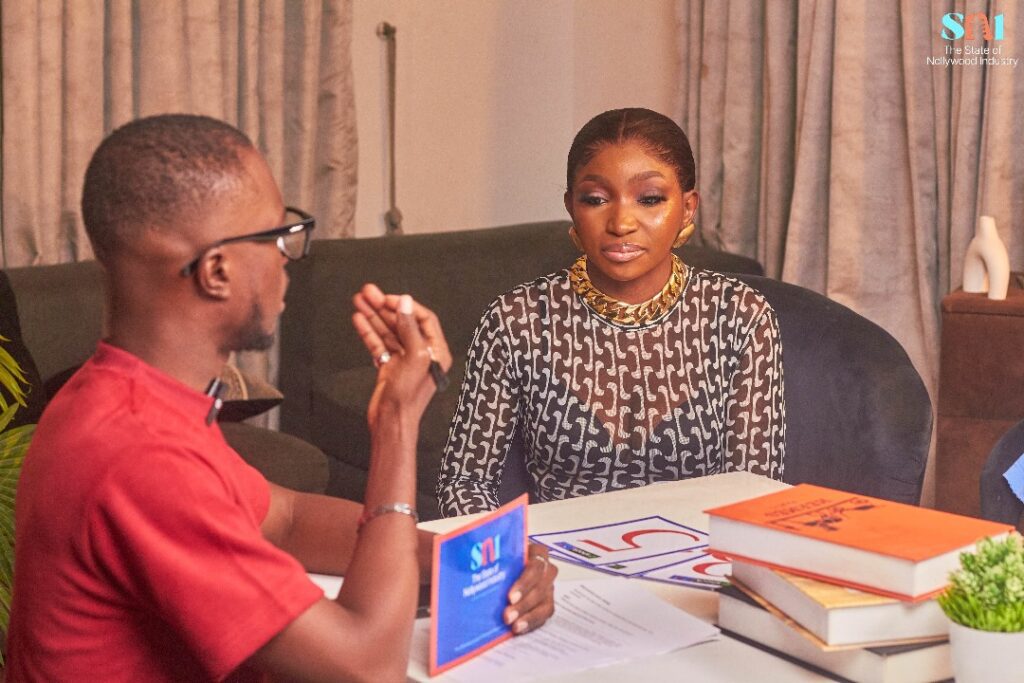
The discussion addresses the current state of the industry, described as a mix of progress and setbacks. Omowunmi notes satisfaction with advancements over the past five years but emphasizes the need for more, stating, “I’m happy. But I mean, there is a need to test for more. But yeah, I’m happy because we’re not where we used to be 5 years ago… happy but not content.” Tairu highlights how the departure of platforms like Netflix and Amazon has made investors cautious, shifting films toward YouTube or cinemas amid economic pressures, where families may hesitate to spend ₦50,000 on outings.
They explore actor earnings, noting a 70% drop after reduced commissioning. Actors’ daily rates have increased from ₦5,000 to millions in some cases, but overall income has declined due to fewer projects. Tairu explains that raising rates depends on self-assessment of value: “When it’s time to up your rates, you definitely know. I think it’s just a thing of recognizing the value that you bring to the project.” However, awards do not ensure higher pay, as they recognize performance but do not equate to broad market appeal.
Brand deals now often exceed acting income, with Omowunmi confirming, “What pays my bills? Brand influence, you know. Brands bring more money. Honestly, that’s the truth. The major part of your earnings will not come from acting anymore.” Neither cinema nor streaming reliably supports actors, given low attendance and platform exits.
Industry ratings are reviewed: infrastructure and production capacity at 2-4 out of 5, due to varying quality; talent pool and creative development at 2, from a lack of film schools and training; funding and investment at 2, lowered from 3 after the streaming withdrawal; regulatory and institutional support at 1, with policies unexecuted.
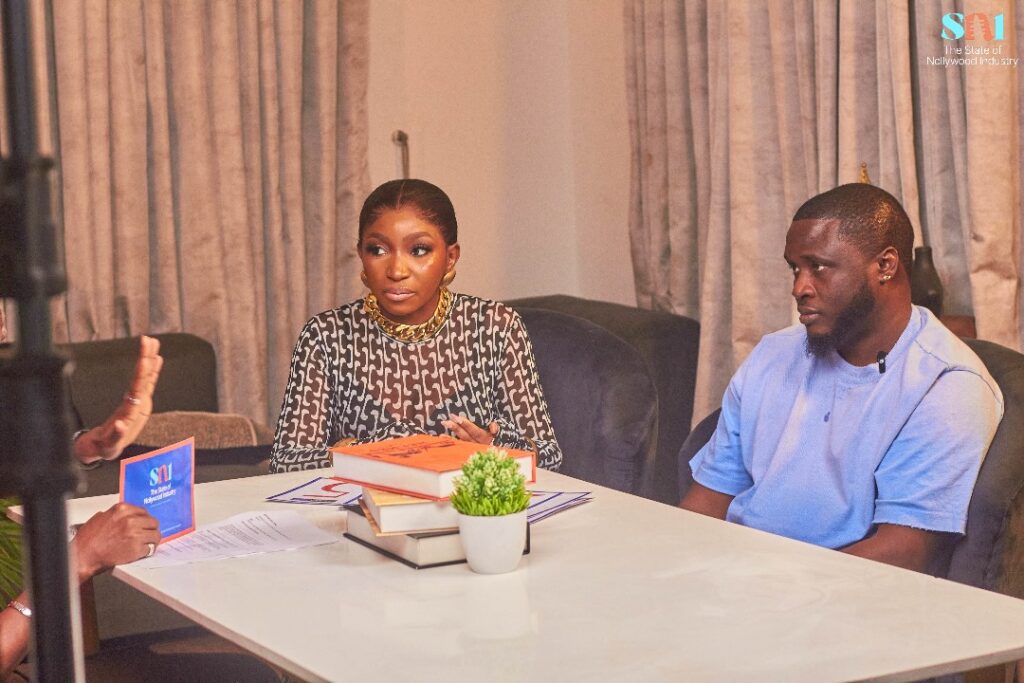
Critical issues include the absence of royalties, preventing ongoing earnings from past work, unlike in Hollywood; investor departure without guaranteed returns; and scarce film training despite Nollywood’s status as Africa’s second-largest film industry. Tairu stresses survival instincts over passion: “For most players, I would say they operate based on survival instinct. Yeah, they’re passionate… but survival drives the game more than the passion.”
The conversation calls for royalties, better training, collaboration, and collective sustainability over individual gains. Dada envisions an industry where Nollywood films match Hollywood quality and sustain artists long-term.
Watch Full Episode Now
In Summary
This episode details the shifts in actor livelihoods and structural gaps in Nollywood. Stay tuned for Episode 7, where more insiders will explore additional topics on the industry’s path forward.
Thanks for Reading.
Shockng.com covers the big creators and players in the African film/TV industry and how they do business.
Let’s be friends on Instagram @Shockafrica